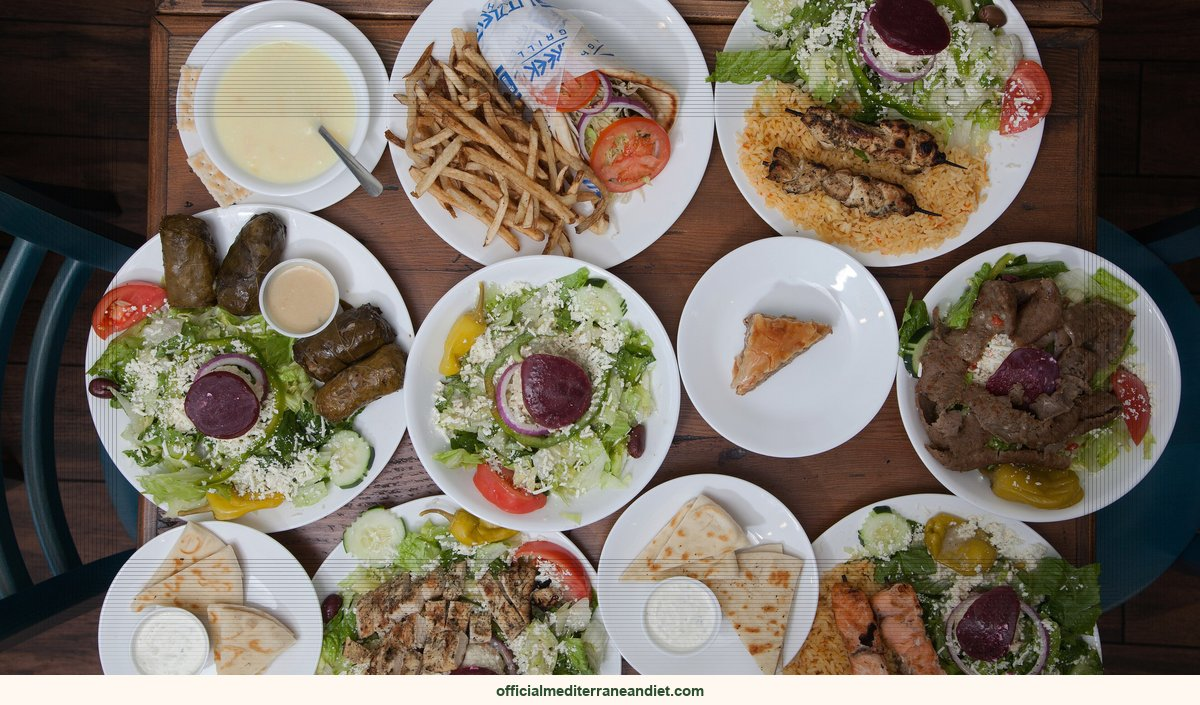
Make the Best Cretan Dakos with Fresh Tomato and Mizithra Recipe
This is a tomato and mizithra recipe, the kind that sits at the heart of the Crete table. The Dish That Turns Stone into Lunch
In a kitchen in Chania, where shutters are painted harbor-blue, Yiayia Maria arranges four barley rusks that could crack a tile. They are hard as hockey pucks, twice as heavy, and completely inedible until she grates four large tomatoes over them, adds 200 grams of a specific whey cheese, and walks away. Ten to fifteen minutes later, the stones have become lunch.
The rusks are not bread anymore. They have been toasted twice in the Cretan sun until they are essentially dehydrated loaves, built to survive without refrigeration. You cannot slice the tomatoes for this. You must grate them, skin, pulp, seeds, and juice, into a wet heap that carries four tablespoons of extra-virgin olive oil down into the rusk’s center. The cheese is mizithra, made from sheep’s-milk whey, pressed and salted until it crumbles with a faint barnyard tang that cuts the sweetness. Ricotta salata can substitute, but it lacks the specific sharpness.
Here is the step most recipes delete: after topping the rusks with the tomato, all 200 grams of crumbled cheese, a teaspoon of dried Greek oregano, two tablespoons of rinsed capers, and eight halved Kalamata olives, you set the plate aside and do nothing. The chemistry is invisible. Salt from the cheese and capers draws moisture from the tomato, creating a layered dressing rather than a blended vinaigrette. The barley softens from the center outward, turning the hard disc into something chewable without ever applying heat. Wait longer than an hour and the contrast fades; rush it, and you will break a tooth.
This is not a generic Mediterranean plate. It comes from Chania, Crete, where thick-skinned tomatoes ripen under a specific October sun and barley is sown in specific soil. Historically, it fed fishermen who needed preservation without ice. The dish delivers fiber from whole-grain barley and healthy fats from olive oil, but it was never engineered as a nutritionally complete meal.
Traditional is not clinical. While these ingredients fit the Mediterranean dietary pattern, eating dakos alone will not guarantee lower cholesterol or longer life. Responses to sheep’s-milk cheese vary, and the sodium from capers, olives, and cheese matters for blood-pressure concerns. Check with a clinician before adopting it as therapy.
Fresh ricotta fails here, it is too wet, dissolving into the tomato and turning the rusk soggy without the salt kick that ricotta salata provides. In Crete, this serves as a light main or substantial meze, though many add a boiled egg or grilled fish alongside the protein from the cheese.
Cretan Dakos with Fresh Tomato and Mizithra, Region: Crete; Tradition: Yiayia Maria from Chania; Key ingredients and preparation details.
How to make this tomato and mizithra recipe
This Greek tomato and mizithra recipe takes about 15 minutes to prep and 0 minutes to cook. The flavor comes from Crete, where Yiayia Maria from Chania has made it the same way for years. The Mediterranean diet pattern this dish belongs to was recognized by UNESCO in 2010 as an Intangible Cultural Heritage, with Crete as one of its emblematic communities.
Ingredients for cretan dakos with fresh tomato and mizithra
- 4 Cretan barley rusks (dakos)
- 4 large ripe tomatoes, grated or finely chopped
- 200g fresh mizithra cheese (or ricotta salata), crumbled
- 4 tbsp extra virgin olive oil
- 1 tsp dried oregano (preferably Greek)
- 2 tbsp capers, rinsed
- 8 Kalamata olives, pitted and halved
- Sea salt and freshly ground black pepper to taste
- Fresh basil or parsley for garnish (optional)
Method, the Crete way
- Lightly wet each barley rusk under running water for a few seconds, just enough to soften slightly. Place on a serving plate.
- In a bowl, mix the grated tomatoes with a pinch of salt and a drizzle of olive oil. Let sit for 5 minutes to release juices.
- Spoon the tomato mixture evenly over each rusk, allowing the juices to soak in.
- Top with crumbled mizithra cheese, capers, and olives.
- Drizzle generously with extra virgin olive oil and sprinkle with dried oregano.
- Season with black pepper and garnish with fresh herbs if desired. Serve immediately.
Tips from Yiayia Maria from Chania
The traditional way in Crete is to keep it simple. Researchers behind the PREDIMED trial found that the tomato and mizithra recipe pattern, anchored in olive oil and short ingredient lists, cuts cardiovascular risk roughly 30%. Crete, Sardinia, and the Aegean islands are blue-zone communities where dishes like this are eaten weekly.
Serving, storage, and what to drink
Serves 4. Best the day it’s made. Leftovers keep in the fridge for two days. For more Greek recipes see our salads and recipes sections, or pair it with a glass of regional wine from Crete or Sicily.
Loved this recipe?
Get the free 7-day Mediterranean Diet Starter Kit
A week of simple meal plans, a pantry checklist, and our best beginner recipes, straight to your inbox.
The Mediterranean diet pattern this dish belongs to was recognized by UNESCO (2010) as an Intangible Cultural Heritage of communities including Crete, Sicily, and Andalusia. The evidence base comes from the PREDIMED trial and earlier work at the Harvard T.H. Chan School of Public Health.
Tools & pantry for this recipe
A few things that make this easier. These are affiliate links, so we may earn a small commission at no extra cost to you; we only suggest what we’d actually use ourselves. See our editorial policy.