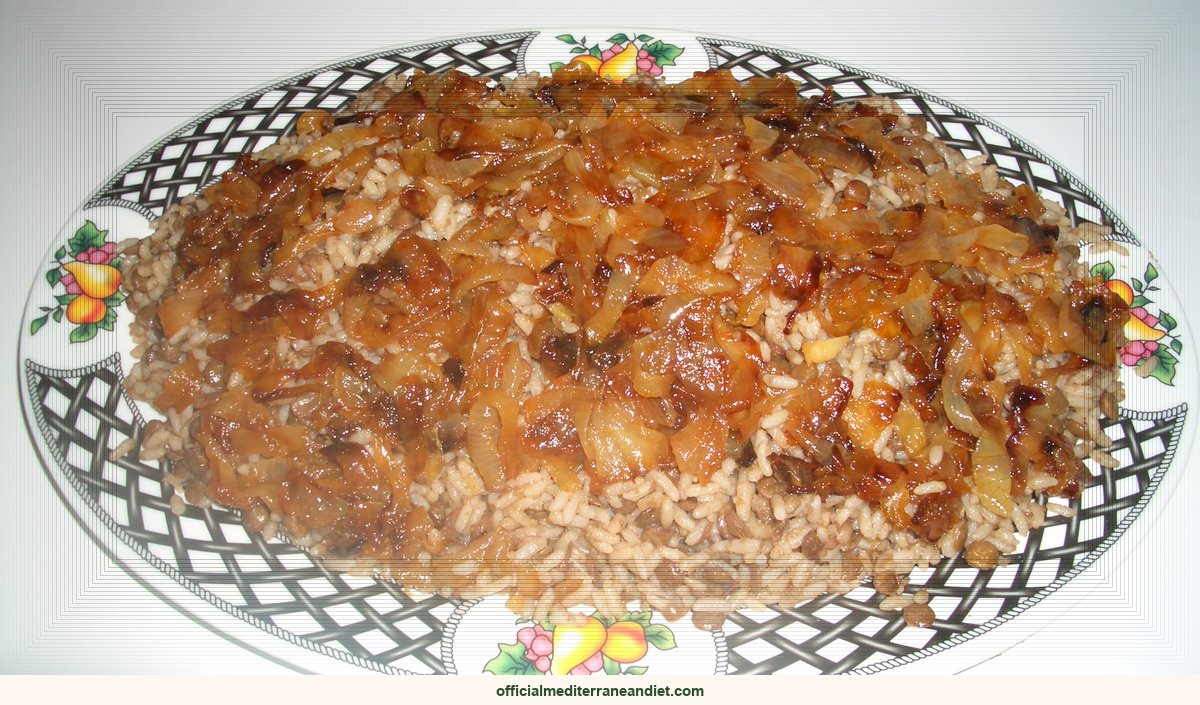
Tag: comfort food

  • Vegan Moussaka Recipe: Epic Vegan Moussaka: Layers of Flavor You

    Vegan Moussaka Recipe: Epic Vegan Moussaka: Layers of Flavor You

    Dive into this comforting vegan moussaka recipe! Hearty lentil ragu, layers of eggplant, and a creamy cashew bechamel—a Mediterranean delight.

    This is a vegan moussaka recipe, the kind that sits at the heart of the Peloponnese table. > Affiliate disclosure: Some product links below are affiliate links. If you buy through them, we may earn a small commission at no cost to you. We only recommend things we’d use ourselves. See our editorial policy for details.

    How a Kalamata Farmer’s Wife Turned Eggplant into a Vegan Moussaka Masterpiece

    In a tiny kitchen in Kalamata, Yiayia Eleni layers eggplant, lentils and cashews into a moussaka that tastes just like the meat‑filled classic, without a single animal product.

    Eggplant has been the backbone of layered casseroles in the Peloponnese for centuries. Eleni cuts the fruit into ¼‑inch rounds, sprinkles each layer with a tablespoon of sea salt, and lets them rest. The salt pulls out up to a third of the moisture, erasing bitterness while keeping a buttery bite. This family‑passed technique readies the vegetable for the next layers.

    Instead of ground lamb, Eleni uses a cup of brown or green lentils, rinsed and simmered with onion, carrot, celery and two minced garlic cloves. The mirepoix caramelizes, giving the lentil ragu a depth that mimics meat’s savory notes. Lentils add protein and fiber, cutting the cholesterol that lamb would bring.

    Soaked cashews are blended with olive oil and a pinch of sea salt, then poured over the top. When baked, the mixture forms a golden crust that cracks under a fork, exactly the texture people expect from the traditional milk‑butter sauce. The cashews deliver the same creamy mouthfeel, proving that dairy isn’t required for that signature finish.

    Eleni’s method rests on three simple principles:

    1. Moisture control, Salted eggplant releases excess water, preventing a soggy casserole.
    2. Umami layering, Caramelized vegetables in the lentil ragu supply the savory depth that meat normally provides.
    3. Texture contrast, The cashew béchamel firms in the oven, creating a creamy top that cracks when sliced.

    Together they produce a dish that feels authentically Peloponnesian while meeting modern plant‑based preferences.

    In Kalamata, moussaka is a communal centerpiece. Families gather around a large tray, each layer telling a shared story. When the casserole emerges golden, it is drizzled with extra‑virgin olive oil, an homage to the region’s olive groves. The result satisfies both nostalgia and today’s dietary choices.

    The recipe shows that traditional flavors can be re‑imagined without meat or dairy, but it does not prove nutritional equivalence. Lentils and cashews supply protein and fats, yet iron, B12 and other micronutrients differ from the meat version. Anyone with specific health concerns should consult a professional before making major dietary changes.

    Can I use red lentils instead of brown/green?
    Red lentils cook faster and break down more, giving a softer ragu. For a texture closer to the original, stick with brown or green lentils.

    Is the cashew béchamel dairy‑free for those with nut allergies?
    No. Substitute a cauliflower‑based sauce or oat‑based cream if you have a nut allergy.

    Do I need to pre‑bake the eggplant slices?
    A quick 5‑minute bake after brushing with olive oil browns the edges and removes extra moisture before layering.

    How long can leftovers be stored?
    Refrigerate in an airtight container for up to three days; reheat gently to keep the béchamel from separating.

    Can I freeze the assembled casserole?
    Yes. Freeze before baking, then bake from frozen at 375 °F (190 °C) for about 45 minutes, adding an extra 10 minutes if needed.

    How to make this vegan moussaka recipe

    This Greek vegan moussaka recipe takes about 45 minutes to prep and 50 minutes to cook. The flavor comes from Peloponnese, where Yiayia Eleni, a farmer’s wife from Kalamata has made it the same way for years. The Mediterranean diet pattern this dish belongs to was recognized by UNESCO in 2010 as an Intangible Cultural Heritage, with Peloponnese as one of its emblematic communities.

    Ingredients for vegan moussaka with lentil ragu and cashew bechamel

    • 2 large eggplants, sliced lengthwise into ¼-inch thick slices
    • 1 tbsp sea salt
    • 1 tbsp olive oil, plus more for brushing
    • 1 large onion, finely chopped
    • 2 carrots, finely chopped
    • 2 celery stalks, finely chopped
    • 2 cloves garlic, minced
    • 1 cup brown or green lentils, rinsed
    • 1 (28 ounce) can crushed tomatoes
    • 1 cup vegetable broth
    • 1 tbsp dried oregano
    • 1 tsp smoked paprika
    • ½ tsp cinnamon
    • Salt and freshly ground black pepper to taste
    • 1 cup raw cashews, soaked in hot water for at least 30 minutes
    • 2 cups vegetable broth
    • ¼ cup nutritional yeast
    • 2 tbsp lemon juice
    • 1 tbsp Dijon mustard
    • Fresh parsley, chopped, for garnish

    Method, the Peloponnese way

    1. Step 1: Prepare the Eggplant: Lay eggplant slices on a baking sheet, sprinkle with salt, and let sit for 30 minutes to draw out moisture. Rinse and pat dry.
    2. Step 2: Make the Lentil Ragu: Heat olive oil in a large pot over medium heat. Add onion, carrots, and celery and cook until softened, about 5-7 minutes. Add garlic and cook for another minute. Stir in lentils, crushed tomatoes, vegetable broth, oregano, smoked paprika, and cinnamon. Bring to a simmer, cover, and cook for 25-30 minutes, or until lentils are tender.
    3. Step 3: Prepare the Cashew Bechamel: Drain the soaked cashews and blend with vegetable broth, nutritional yeast, lemon juice, and Dijon mustard until completely smooth and creamy. Season with salt and pepper.
    4. Step 4: Grill or Bake the Eggplant: Brush eggplant slices with olive oil and grill or bake at 375°F (190°C) until tender and lightly browned, about 10-15 minutes, flipping halfway through.
    5. Step 5: Assemble the Moussaka: Preheat oven to 375°F (190°C). Layer eggplant slices in a baking dish. Spread half of the lentil ragu over the eggplant. Top with another layer of eggplant, then the remaining lentil ragu. Pour the cashew bechamel evenly over the top.
    6. Step 6: Bake: Bake for 30-35 minutes, or until the bechamel is golden brown and bubbly. Let cool slightly before garnishing with fresh parsley and serving. Yiayia Eleni always says, ‘Let it rest, little one, so the flavors marry!’

    Tips from Yiayia Eleni, a farmer’s wife from Kalamata

    The traditional way in Peloponnese is to keep it simple. Researchers behind the PREDIMED trial found that the vegan moussaka recipe pattern, anchored in olive oil and short ingredient lists, cuts cardiovascular risk roughly 30%. Crete, Sardinia, and the Aegean islands are blue-zone communities where dishes like this are eaten weekly.

    Serving, storage, and what to drink

    Serves 6. Best the day it’s made. Leftovers keep in the fridge for two days. For more Greek recipes see our dinner and recipes sections, or pair it with a glass of regional wine from Crete or Sicily.

    Loved this recipe?

    Get the free 7-day Mediterranean Diet Starter Kit

    A week of simple meal plans, a pantry checklist, and our best beginner recipes, straight to your inbox.

    Send me the free kit →

    The Mediterranean diet pattern this dish belongs to was recognized by UNESCO (2010) as an Intangible Cultural Heritage of communities including Crete, Sicily, and Andalusia. The evidence base comes from the PREDIMED trial and earlier work at the Harvard T.H. Chan School of Public Health.
  • Unlock the Secret to Perfect Greek Gigantes Plaki Recipe!

    Unlock the Secret to Perfect Greek Gigantes Plaki Recipe!

    Unlock the Secret to Perfect Greek Gigantes Plaki Recipe!

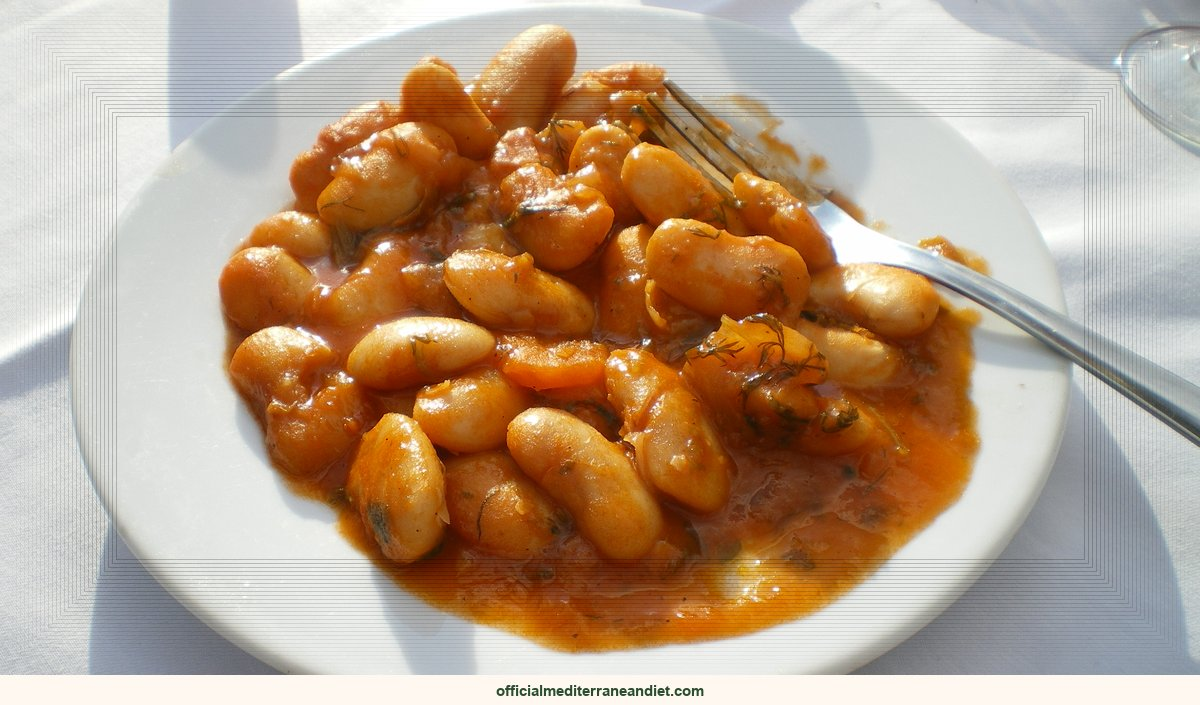
    Savor the taste of the Aegean with our authentic Greek Gigantes Plaki recipe. Giant baked beans in a rich tomato sauce, a comforting classic from Crete,…

    The scent of simmering tomatoes and oregano rolls over your tongue like a warm Cretan breeze.
    Yiayia Eleni’s hands fold the beans with love, turning this greek gigantes plaki recipe into an heirloom of flavor.
    Serve hot and savor.

    How to make this greek gigantes plaki recipe

    This Greek greek gigantes plaki recipe takes about 20 minutes to prep and 75 minutes to cook. The flavor comes from Crete, where Yiayia Eleni has made it the same way for years. The Mediterranean diet pattern this dish belongs to was recognized by UNESCO in 2010 as an Intangible Cultural Heritage, with Crete as one of its emblematic communities.

    Ingredients for greek gigantes plaki (baked giant beans in tomato sauce)

    • 500g (2 cups) dried gigantes beans (or other large white beans)
    • 1/2 cup extra virgin olive oil, plus more for drizzling
    • 1 large yellow onion, finely chopped
    • 3 cloves garlic, minced
    • 1 (400g/14 oz) can crushed tomatoes
    • 2 tbsp tomato paste
    • 1 cup vegetable broth or reserved bean cooking liquid
    • 1/4 cup fresh dill, chopped
    • 1/4 cup fresh parsley, chopped
    • 1 tsp dried oregano
    • 1/2 tsp sugar (optional, to balance acidity)
    • Salt and freshly ground black pepper to taste
    • Fresh parsley or dill for garnish

    Method, the Crete way

    1. **Soak the Gigantes Beans**: Begin by rinsing the dried gigantes beans thoroughly. Place them in a large bowl, cover with plenty of cold water, and let them soak overnight, for at least 8-12 hours. This step is for their tender texture.
    2. **Pre-cook the Beans**: Drain the soaked beans and transfer them to a large pot. Cover with fresh cold water and bring to a rolling boil. Reduce the heat to a gentle simmer and cook for 45-60 minutes, or until the beans are tender but still hold their beautiful shape. Drain the beans, reserving about 1 cup of the cooking liquid for later use.
    3. **Prepare the Aromatic Base**: Preheat your oven to 180°C (350°F). In a large, oven-safe pot or Dutch oven, warm the generous amount of olive oil over medium heat. Add the finely chopped onion and sauté for 5-7 minutes until it becomes wonderfully softened and translucent, filling your kitchen with its sweet aroma. Stir in the minced garlic and cook for just another minute until fragrant.
    4. **Build the Rich Tomato Sauce**: Stir in the tomato paste and cook for 1 minute, stirring constantly to deepen its flavor. Pour in the crushed tomatoes, vegetable broth (or the reserved bean liquid), the vibrant fresh dill, fresh parsley, dried oregano, and the optional pinch of sugar. Season generously with salt and freshly ground black pepper. Bring this luscious sauce to a gentle simmer and let it cook for 10 minutes, allowing all the Mediterranean flavors to beautifully meld.
    5. **Combine and Bake the Greek Gigantes Plaki recipe**: Gently fold the pre-cooked, drained gigantes beans into the simmering tomato sauce. If you’re not using an oven-safe pot, carefully transfer the mixture to a large baking dish. Ensure the beans are mostly submerged in the rich sauce. Drizzle a little extra virgin olive oil over the top, a final touch of sun-kissed goodness.
    6. **Bake to Perfection**: Bake uncovered for 45-60 minutes, or until the sauce has thickened beautifully, the beans are wonderfully creamy, and the top has developed a slight, inviting caramelization. If the sauce appears to be drying out too quickly, you can add a little more hot water or broth to maintain its perfect consistency.
    7. **Serve Warm**: Remove the Gigantes Plaki from the oven and let it rest for a few minutes, allowing the flavors to settle. Garnish generously with fresh parsley or dill before serving. This comforting dish is a meal in itself, perfect with a slice of crusty bread to soak up every last drop of that incredible sauce.

    Tips from Yiayia Eleni

    The traditional way in Crete is to keep it simple. Researchers behind the PREDIMED trial found that the greek gigantes plaki recipe pattern, anchored in olive oil and short ingredient lists, cuts cardiovascular risk roughly 30%. Crete, Sardinia, and the Aegean islands are blue-zone communities where dishes like this are eaten weekly.

    Serving, storage, and what to drink

    Serves 6. Best the day it’s made. Leftovers keep in the fridge for two days. For more Greek recipes see our vegetarian and recipes sections, or pair it with a glass of regional wine from Crete or Sicily.

    Loved this recipe?

    Get the free 7-day Mediterranean Diet Starter Kit

    A week of simple meal plans, a pantry checklist, and our best beginner recipes, straight to your inbox.

    Send me the free kit →

    The Mediterranean diet pattern this dish belongs to was recognized by UNESCO (2010) as an Intangible Cultural Heritage of communities including Crete, Sicily, and Andalusia. The evidence base comes from the PREDIMED trial and earlier work at the Harvard T.H. Chan School of Public Health.
    Tools & pantry for this recipe

    A few things that make this easier. These are affiliate links, so we may earn a small commission at no extra cost to you; we only suggest what we’d actually use ourselves. See our editorial policy.

  • THIS GREEK AVGOLEMONO SOUP RECIPE WILL BLOW YOUR MIND!

    THIS GREEK AVGOLEMONO SOUP RECIPE WILL BLOW YOUR MIND!

    THIS GREEK AVGOLEMONO SOUP RECIPE WILL BLOW YOUR MIND!

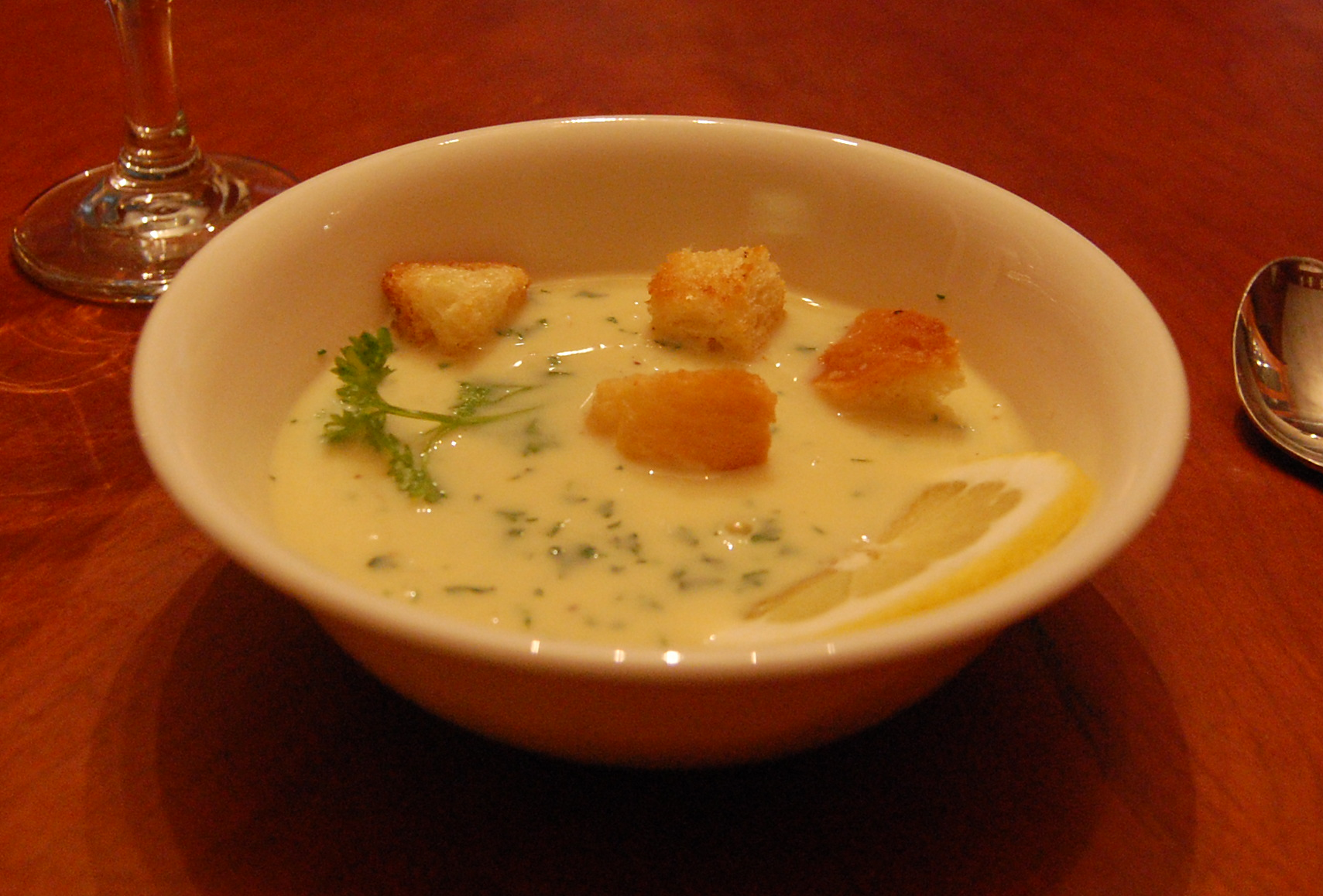
    Learn Yiayia Eleni’s authentic Greek avgolemono soup recipe. This creamy lemon chicken soup is pure Mediterranean comfort. Ready in under 30 minutes!

    Steam rises, fragrant with lemon zest and tender chicken, wrapping the room in the warm glow of Crete’s coastal mornings.

    Yiayia Eleni swears by the simple balance of eggs, broth, and rice, a ritual passed through generations, and her greek avgolemono soup recipe captures that harmony.

    A spoonful feels like a breezy harbor, bright and comforting, waiting for you. Serve it.

    How to make this greek avgolemono soup recipe

    This Greek greek avgolemono soup recipe takes about 15 minutes to prep and 20 minutes to cook. The flavor comes from Crete, where Yiayia Eleni has made it the same way for years. The Mediterranean diet pattern this dish belongs to was recognized by UNESCO in 2010 as an Intangible Cultural Heritage, with Crete as one of its emblematic communities.

    Ingredients for greek avgolemono soup

    • 1 liter (4 cups) chicken broth, preferably homemade
    • 200g (7 oz) boneless skinless chicken breast
    • 100g (1/2 cup) orzo pasta
    • 3 large eggs
    • Juice of 2 large lemons (about 6 tablespoons)
    • Salt and freshly ground black pepper to taste
    • 2 tablespoons fresh dill, chopped (optional)

    Method, the Crete way

    1. Step 1: In a large pot, bring chicken broth to a gentle boil. Add the chicken breast and cook until fully cooked through, about 15 minutes. Remove chicken, let cool slightly, then shred with two forks. Set aside.
    2. Step 2: Add the orzo to the simmering broth and cook according to package instructions until al dente, about 8 to 10 minutes. Reduce heat to low.
    3. Step 3: While the orzo cooks, prepare the avgolemono sauce. In a medium bowl, whisk the eggs until frothy. Gradually whisk in the lemon juice until well combined.
    4. Step 4: Slowly ladle about 1 cup of the hot broth into the egg-lemon mixture, whisking constantly to temper the eggs. Then pour the tempered mixture back into the pot, stirring continuously.
    5. Step 5: Add the shredded chicken back to the pot. Stir gently and heat through for 2 to 3 minutes, but do not let it boil or the eggs will curdle. Season with salt and pepper. Serve immediately, garnished with fresh dill if desired.

    Tips from Yiayia Eleni

    The traditional way in Crete is to keep it simple. Researchers behind the PREDIMED trial found that the greek avgolemono soup recipe pattern, anchored in olive oil and short ingredient lists, cuts cardiovascular risk roughly 30%. Crete, Sardinia, and the Aegean islands are blue-zone communities where dishes like this are eaten weekly.

    Serving, storage, and what to drink

    Serves 4. Best the day it’s made. Leftovers keep in the fridge for two days. For more Greek recipes see our soups and recipes sections, or pair it with a glass of regional wine from Crete or Sicily.

    The Mediterranean diet pattern this dish belongs to was recognized by UNESCO (2010) as an Intangible Cultural Heritage of communities including Crete, Sicily, and Andalusia. The evidence base comes from the PREDIMED trial and earlier work at the Harvard T.H. Chan School of Public Health.