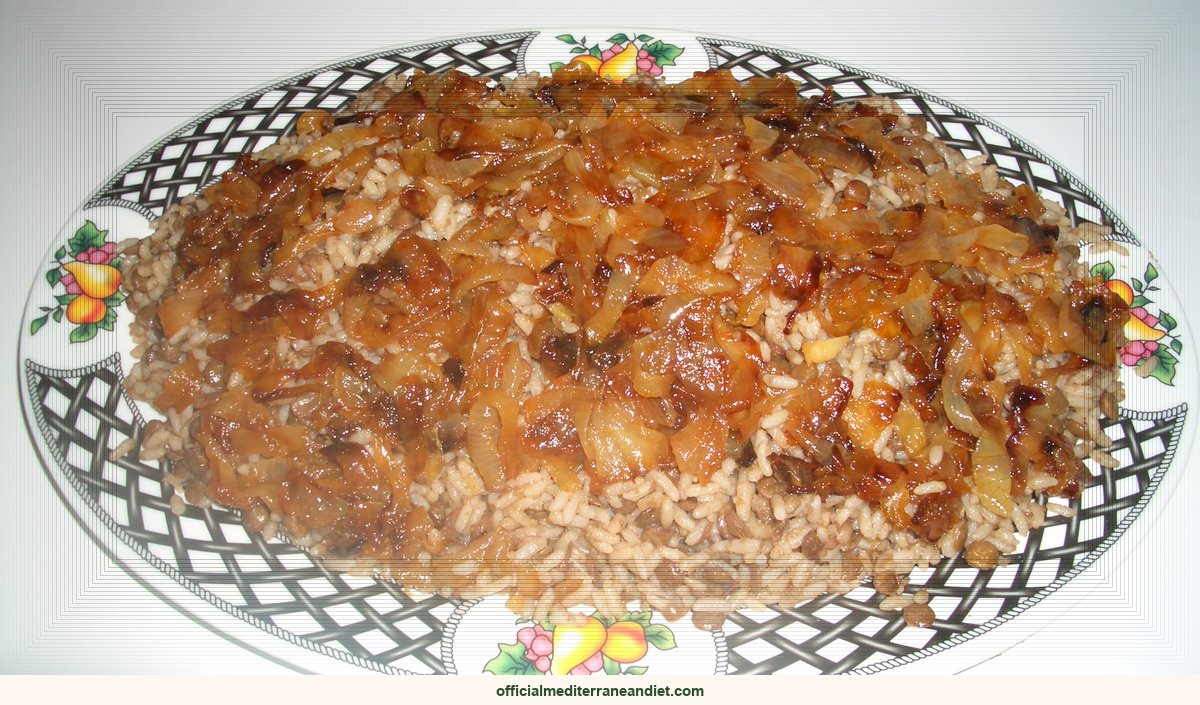
Lebanese Mujadara Recipe: Golden Mujadara: The Lebanese Comfort Food
This is a lebanese mujadara recipe, the kind that sits at the heart of the Beirut table. > Affiliate disclosure: Some product links below are affiliate links. If you buy through them, we may earn a small commission at no cost to you. We only recommend things we’d use ourselves. See our editorial policy for details.
How Caramelized Onions and a Spoonful of Yogurt Turn Beirut’s Mujadara Into a Restaurant‑Level Dish
Three onions, slowly caramelized until amber, and a dollop of plain yogurt turn a humble mix of lentils and rice into the most talked‑about mujadara in Beirut. The scent of sweet, browned onions fills Chef Samir’s Gemmayzeh kitchen at dusk, and the first bite proves that this simple dish is anything but ordinary.
Mujadara, Arabic for “the beloved”, has traveled the Levant for centuries. Samir starts with 1 cup (200 g) Egyptian brown lentils, rinsed clear, and an equal weight of long‑grain rice. In a copper pot he heats ¼ cup (60 ml) olive oil, adds three thinly sliced yellow onions, and cooks them low and slow. The sugars in the onions concentrate, the Maillard reaction releases glutamate, and the ribbons turn glossy and caramel‑brown, creating a depth of flavor that can rival a slow‑cooked meat stew.
While the onions brown, he brings 4 cups (950 ml) vegetable broth (or water for a leaner version) to a gentle simmer. The lentils go in first, softening for about ten minutes. Then he stirs in the rice, a teaspoon of ground cumin, half a teaspoon of coriander, and a pinch (¼ teaspoon) of cinnamon. The modest spice blend adds a warm background that lets the caramelized onions shine. When the rice is tender, the pot is removed from heat and left to rest, letting the grains finish absorbing the liquid.
At the table Samir drizzles a little extra olive oil over the mound and places a spoonful of plain yogurt beside it. The yogurt’s acidity cuts the sweet onion layers, while its creaminess coats each grain. The contrast of sweet and tangy mirrors the Mediterranean habit of pairing opposite flavors on one plate.
Beyond taste, the dish fits many Mediterranean‑style eating patterns. Lentils supply about 18 g of protein per cup and plenty of fiber, promoting satiety. Olive oil adds monounsaturated fat, and yogurt contributes calcium and probiotics, which may benefit gut health. Anyone with specific health concerns should consult a doctor before making major dietary changes.
What began as a street‑side staple in Gemmayzeh now appears on menus across Lebanon, each chef trying to reproduce Samir’s result. The core stays the same: three onions, a splash of oil, and the patience to let the sugars brown. The dish shows how simple ingredients, treated with care, become unforgettable.
What it does not prove
– This recipe alone cannot guarantee weight loss, disease prevention, or longevity.
– The health benefits mentioned are associative; they do not establish causation.
– Individual nutritional needs vary; portion sizes and ingredient swaps may be necessary.
Frequently asked questions
Q: Can I use red lentils instead of Egyptian brown lentils?
A: Red lentils cook faster and become mushier, changing the texture. For a closer match, stick with brown lentils.
Q: Is the dish still authentic without yogurt?
A: Yogurt is a common accompaniment in Lebanese homes, but the core mujadara, lentils, rice, and caramelized onions, remains traditional on its own.
Q: How long can leftovers be stored?
A: Keep the mujadara in an airtight container in the fridge for up to four days. Reheat gently to avoid over‑drying the onions.
Q: Can I make this vegan?
A: Yes. Omit the yogurt or replace it with a plant‑based alternative; the dish stays flavorful and nutritious.
Q: What’s the best oil for caramelizing the onions?
A: Extra‑virgin olive oil gives a characteristic Mediterranean flavor, but any neutral oil works if you prefer a milder taste.
Sources
– “Lebanese Mujadara with Caramelized Onions and Yogurt,” Chef Samir’s recipe, Beirut.
How to make this lebanese mujadara recipe
This Lebanese lebanese mujadara recipe takes about 30 minutes to prep and 45 minutes to cook. The flavor comes from Beirut, where Chef Samir, a beloved cook from Beirut’s Gemmayzeh district has made it the same way for years. The Mediterranean diet pattern this dish belongs to was recognized by UNESCO in 2010 as an Intangible Cultural Heritage, with Beirut as one of its emblematic communities.
Ingredients for lebanese mujadara with caramelized onions and yogurt
- 1 cup (200g) Egyptian brown lentils, rinsed thoroughly
- 1 cup (200g) long-grain rice, rinsed
- 3 large yellow onions, thinly sliced
- 1/4 cup (60ml) olive oil, plus extra for drizzling
- 4 cups (950ml) vegetable broth or water
- 1 teaspoon ground cumin
- 1/2 teaspoon ground coriander
- 1/4 teaspoon ground cinnamon
- Salt and freshly ground black pepper to taste
- 1 cup (240g) full-fat Greek yogurt, for serving
- Fresh parsley, chopped, for garnish
Method, the Beirut way
- Step 1: Caramelize the Onions: Heat 1/4 cup olive oil in a large, heavy-bottomed pot or Dutch oven over medium-low heat. Add the sliced onions and cook, stirring occasionally, for 30-40 minutes, or until they are deeply golden brown and caramelized. This takes patience, but the flavor is worth it! Chef Samir always says, ‘Low and slow is the secret to sweet onions.’
- Step 2: Prepare the Lentils and Rice: While the onions are caramelizing, combine the rinsed lentils and rice in a separate bowl. This helps them cook evenly.
- Step 3: Combine and Simmer: Add the lentil-rice mixture to the pot with the caramelized onions. Stir well to coat everything in the onion-infused oil.
- Step 4: Add Spices and Liquid: Pour in the vegetable broth or water. Add the cumin, coriander, cinnamon, salt, and pepper. Bring to a boil, then reduce heat to low, cover tightly, and simmer for 25-30 minutes, or until the lentils and rice are tender and the liquid is absorbed. Do not lift the lid during this time!
- Step 5: Rest and Fluff: Remove from heat and let the mujadara rest, covered, for 10 minutes. This allows the flavors to meld and the rice to finish steaming.
- Step 6: Serve: Fluff the mujadara with a fork. Serve warm, topped with a generous dollop of Greek yogurt and fresh parsley. A drizzle of extra olive oil is always welcome.
Tips from Chef Samir, a beloved cook from Beirut’s Gemmayzeh district
The traditional way in Beirut is to keep it simple. Researchers behind the PREDIMED trial found that the lebanese mujadara recipe pattern, anchored in olive oil and short ingredient lists, cuts cardiovascular risk roughly 30%. Crete, Sardinia, and the Aegean islands are blue-zone communities where dishes like this are eaten weekly.
Serving, storage, and what to drink
Serves 4-6. Best the day it’s made. Leftovers keep in the fridge for two days. For more Lebanese recipes see our dinner and recipes sections, or pair it with a glass of regional wine from Crete or Sicily.
Loved this recipe?
Get the free 7-day Mediterranean Diet Starter Kit
A week of simple meal plans, a pantry checklist, and our best beginner recipes, straight to your inbox.
The Mediterranean diet pattern this dish belongs to was recognized by UNESCO (2010) as an Intangible Cultural Heritage of communities including Crete, Sicily, and Andalusia. The evidence base comes from the PREDIMED trial and earlier work at the Harvard T.H. Chan School of Public Health.