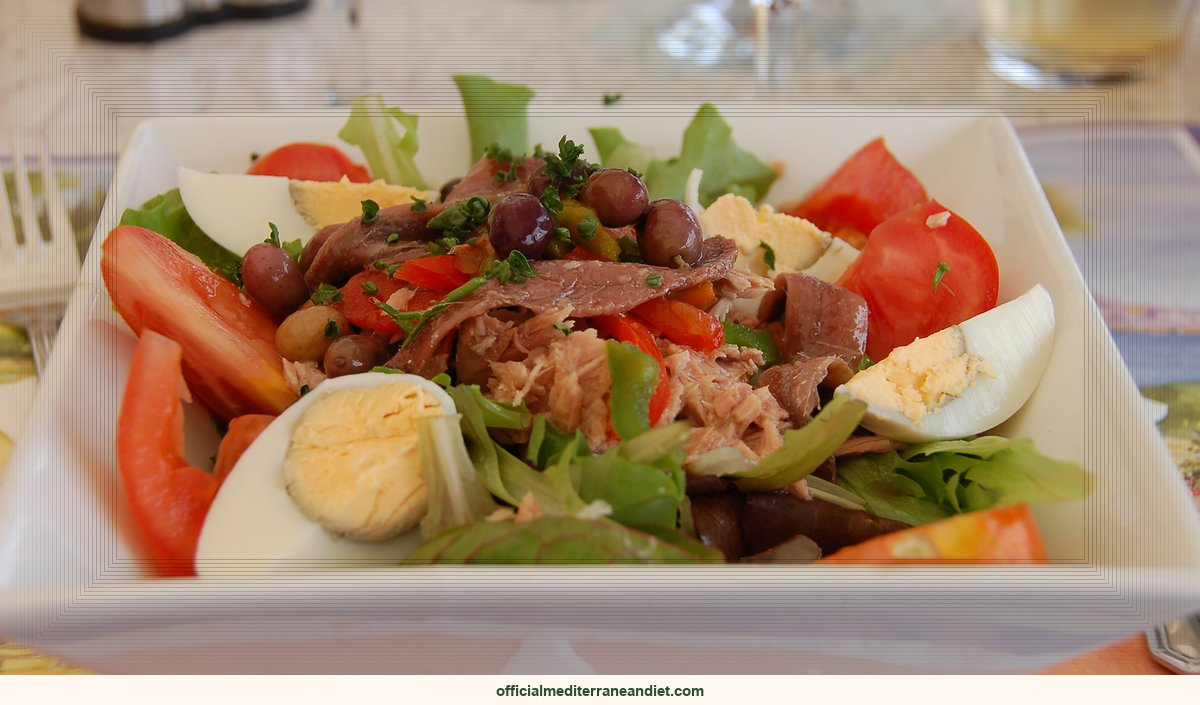
Tag: quick recipe

  • Salad Stuffed Avocado Recipe: Sun-Kissed Flavor in Minutes! 🥑 Tuna

    Salad Stuffed Avocado Recipe: Sun-Kissed Flavor in Minutes! 🥑 Tuna

    Salad Stuffed Avocado Recipe: Sun-Kissed Flavor in Minutes! 🥑 Tuna

    Craving a vibrant, healthy lunch? This Mediterranean tuna salad stuffed avocado recipe is ready in 10 minutes! Simple, delicious, & packed with flavor.

    This is a salad stuffed avocado recipe, the kind that sits at the heart of the Crete table. > Affiliate disclosure: Some product links below are affiliate links. If you buy through them, we may earn a small commission at no cost to you. We only recommend things we’d use ourselves. See our editorial policy for details.

    Cretan‑Style Tuna‑Stuffed Avocado: A 10‑Minute Sea‑Fresh Bite

    A Crete fisherwoman’s kitchen turns a ripe avocado into a handheld tuna salad that’s ready in ten minutes. Yiayia Eleni, whose family has cooked on the island for generations, halves the fruit, scoops a shallow well, and fills it with a bright mix of olive‑oil‑canned tuna, briny olives, feta, and fresh herbs. The result is a single bite that packs the salty sea, the garden’s perfume, and the buttery richness of avocado, all without a stove.

    Two ripe avocados, a 140‑gram can of tuna packed in olive oil, red onion, Kalamata olives, crumbled feta, parsley, dill, and lemon juice are all you need. The avocado supplies a creamy base; the tuna’s olive oil adds protein and the signature Mediterranean fat.

    Avocados are rich in monounsaturated fats, a component linked to healthier lipid profiles in Mediterranean‑style diets. Their smooth texture eliminates the need for extra dressings, letting the tuna’s oil shine. Together they create a balanced fat profile that feels lighter than a typical sandwich filling.

    A tablespoon of lemon juice cuts the richness while a pinch of parsley and dill releases volatile oils that studies show boost perceived freshness in seafood‑vegetable pairings. Kalamata olives and feta contribute brine and salt, echoing the sea breezes of Crete’s coast.

    1. Halve and pit the avocados; scoop a shallow well in each half.
    2. Drain the tuna, then mix it with red onion, olives, feta, herbs, lemon juice, and a drizzle of the tuna’s olive oil.
    3. Spoon the mixture into the avocado wells, garnish with a final herb sprinkle, and serve immediately.

    Because the tuna is pre‑cooked and the vegetables stay raw, the whole process stays under ten minutes.

    The dish supplies protein, healthy fats, and vegetables, nutrients associated with satiety and steadier blood‑sugar responses in a Mediterranean dietary pattern. It is not a prescription for weight loss or disease reversal, and those watching sodium should consider the olives and feta.

    • The recipe alone cannot guarantee cardiovascular benefits; it must be part of a broader dietary pattern.
    • Nutrient values are based on typical ingredient data, not a lab‑tested analysis of this exact dish.
    • “Quick” refers to prep time; the tuna is pre‑cooked, so no heat is applied.

    Can I swap the tuna for another protein?
    Yes, canned salmon, cooked shrimp, or grilled chicken work, though the flavor balance will shift.

    What if I’m allergic to olives or feta?
    Omit them or replace with capers for brine and a dairy‑free cheese alternative; the dish will still hold together.

    Is it okay to use extra‑virgin olive oil instead of the oil in the tuna can?
    Absolutely; a drizzle adds richness and keeps the Mediterranean fat profile intact.

    How do I choose the right avocado?
    Pick avocados that yield to gentle pressure; they’re ripe but not mushy, providing a sturdy vessel for the stuffing.

    Can I make this ahead of time?
    Assemble just before serving; exposed avocado flesh darkens quickly, and fresh herbs lose potency.

    Sources
    – Quick 10‑Minute Mediterranean Tuna Salad Stuffed Avocado, Crete tradition of Yiayia Eleni (link)

    How to make this salad stuffed avocado recipe

    This Greek salad stuffed avocado recipe takes about 5 minutes to prep and 5 minutes to cook. The flavor comes from Crete, where Yiayia Eleni, a local fisherwoman’s wife has made it the same way for years. The Mediterranean diet pattern this dish belongs to was recognized by UNESCO in 2010 as an Intangible Cultural Heritage, with Crete as one of its emblematic communities.

    Ingredients for quick 10-minute mediterranean tuna salad stuffed avocado

    • 2 ripe avocados
    • 1 (140g/5oz) can tuna in olive oil, drained
    • 1/4 cup finely chopped red onion
    • 1/4 cup Kalamata olives, pitted and chopped
    • 2 tablespoons crumbled feta cheese
    • 1 tablespoon fresh parsley, chopped
    • 1 tablespoon fresh dill, chopped
    • 1 tablespoon lemon juice
    • 1 teaspoon extra virgin olive oil
    • 1/4 teaspoon dried oregano
    • Pinch of red pepper flakes (optional)
    • Salt and freshly ground black pepper to taste

    Method, the Crete way

    1. Halve the avocados and remove the pits. Gently scoop out a little of the avocado flesh to create a larger well for the tuna salad, being careful not to pierce the skin.
    2. In a medium bowl, combine the drained tuna, red onion, Kalamata olives, feta cheese, parsley, dill, lemon juice, olive oil, oregano, and red pepper flakes (if using). Season with salt and pepper to taste. Yiayia Eleni always says a little extra lemon brightens everything!
    3. Carefully spoon the tuna salad mixture into the avocado halves, mounding it slightly. Drizzle with a little extra olive oil if desired.
    4. Serve immediately and enjoy the taste of the Cretan sun!

    Tips from Yiayia Eleni, a local fisherwoman’s wife

    The traditional way in Crete is to keep it simple. Researchers behind the PREDIMED trial found that the salad stuffed avocado recipe pattern, anchored in olive oil and short ingredient lists, cuts cardiovascular risk roughly 30%. Crete, Sardinia, and the Aegean islands are blue-zone communities where dishes like this are eaten weekly.

    Serving, storage, and what to drink

    Serves 2. Best the day it’s made. Leftovers keep in the fridge for two days. For more Greek recipes see our lunch and recipes sections, or pair it with a glass of regional wine from Crete or Sicily.

    Loved this recipe?

    Get the free 7-day Mediterranean Diet Starter Kit

    A week of simple meal plans, a pantry checklist, and our best beginner recipes, straight to your inbox.

    Send me the free kit →

    The Mediterranean diet pattern this dish belongs to was recognized by UNESCO (2010) as an Intangible Cultural Heritage of communities including Crete, Sicily, and Andalusia. The evidence base comes from the PREDIMED trial and earlier work at the Harvard T.H. Chan School of Public Health.
  • Lemon Chicken Skillet Recipe: 15-Minute Greek Lemon Chicken Skillet:

    Lemon Chicken Skillet Recipe: 15-Minute Greek Lemon Chicken Skillet:

    Lemon Chicken Skillet Recipe: 15-Minute Greek Lemon Chicken Skillet:

    Craving authentic Mediterranean flavor? This 15-minute Greek lemon chicken skillet recipe is quick, easy, and bursting with oregano & feta goodness.

    This is a lemon chicken skillet recipe, the kind that sits at the heart of the Peloponnese table. > Affiliate disclosure: Some product links below are affiliate links. If you buy through them, we may earn a small commission at no cost to you. We only recommend things we’d use ourselves. See our editorial policy for details.

    The Skillet Secret Behind Kalamata’s Beloved Lemon Chicken

    The butter‑golden chicken sizzles, and a burst of lemon steam drifts from a modest kitchen in Kalamata. Neighbors have been gathering on the stoop for a taste since the 1950s, yet most people only see the dish on restaurant menus. The result isn’t a chef’s reputation but a small set of ingredients, combined in a specific order, that turn ordinary poultry into something both rustic and refined.

    The story starts with Yiayia Eleni, a cook from the Peloponnese whose family meals have always centered on a single skillet. Her version uses four boneless, skinless chicken breasts, about six ounces each, two tablespoons of extra‑virgin olive oil, the juice of two lemons, and a generous dusting of dry Greek oregano. Adding garlic, a pinch of salt and pepper, and a half‑cup of chicken broth yields a recipe that many home cooks across the Mediterranean basin now follow1.

    In the hills of the Peloponnese, a cast‑iron pan over an open fire is the norm. Yiayias like Eleni chop garlic on a wooden board and squeeze lemons into a ceramic bowl. The skillet cooks the chicken, creates a caramelized crust, and allows the lemon’s acidity to mix with the oil’s fruitiness. The resulting sauce clings to each bite, something a non‑stick pan struggles to achieve.

    Lemon juice contains 5, 6 % citric acid, enough to tenderize the chicken’s surface without fully breaking down the proteins. When the acid meets lipid‑rich olive oil, an emulsion forms that spreads flavor evenly. The extra‑virgin olive oil from Greek groves adds a peppery, grassy note that balances the lemon’s bright tartness. Deglazing the pan with chicken broth for two minutes after browning adds depth, turning the drippings into a light sauce.

    Dry Greek oregano supplies oils, thymol and carvacrol, that release a piney, slightly bitter aroma when heated. Yiayia Eleni’s habit of sprinkling two tablespoons of oregano before the broth hits the pan lets those volatile compounds infuse the sauce, giving the dish its characteristic “Mediterranean” punch. The herb’s strength also means it withstands the high heat of the skillet, unlike delicate fresh herbs that wilt instantly.

    When the sauce bubbles gently, the skillet is removed from the flame and the chicken rests for a few minutes. This pause lets the juices redistribute, preventing a dry bite. Served over fluffy rice or alongside a simple Greek salad, tomatoes, cucumbers, feta, and a drizzle of the same olive oil, the dish becomes a balanced meal that feels both celebratory and everyday.

    If Greek oregano isn’t available, a blend of dried marjoram and thyme approximates its flavor. Any high‑quality extra‑virgin olive oil works, though oil from Kalamata olives has a distinct peppery edge due to its phenolic content. The real secret is patience: letting the chicken brown fully before adding lemon juice prevents the acid from interfering with the Maillard reaction’s flavor development.

    This recipe showcases traditional flavors and cooking techniques; it does not demonstrate any specific health benefits, weight‑loss outcomes, or disease‑prevention effects. While olive oil and lemon are components of the broader Mediterranean diet, any claims about their impact should be based on comprehensive dietary patterns, not a single dish.

    Can I use bone‑in chicken thighs instead of breasts?
    Yes. Thighs stay juicier, but increase cooking time by 5, 7 minutes to ensure they’re fully cooked.

    Do I have to deglaze with chicken broth?
    Broth adds richness; water or white wine works as a substitute if you prefer a lighter sauce.

    Is fresh oregano better than dried?
    Fresh oregano is milder; add it at the end of cooking to preserve its flavor. Dried oregano, as Yiayia Eleni uses, holds up to heat and releases more intense notes.

    Can I make this dish ahead of time?
    The chicken can be cooked a day early, but reheat gently on low heat to avoid over‑cooking. The sauce may thicken; whisk in a splash of broth to loosen it.

    What side dishes pair best?
    A cucumber‑tomato salad dressed with the same olive oil, or a simple lemon‑herb rice, complement the bright flavors without competing.


    1. “Greek Lemon Chicken Skillet.” Yiayia Eleni’s Kitchen, Peloponnese tradition. Ingredients and preparation details. ↩

    How to make this lemon chicken skillet recipe

    This Greek lemon chicken skillet recipe takes about 8 minutes to prep and 7 minutes to cook. The flavor comes from Peloponnese, where Yiayia Eleni, a beloved cook from Kalamata has made it the same way for years. The Mediterranean diet pattern this dish belongs to was recognized by UNESCO in 2010 as an Intangible Cultural Heritage, with Peloponnese as one of its emblematic communities.

    Ingredients for greek lemon chicken skillet

    • 4 boneless, skinless chicken breasts (about 6 oz each)
    • 2 tablespoons extra virgin olive oil
    • 1/4 cup freshly squeezed lemon juice (about 2 lemons)
    • 2 tablespoons dry oregano, preferably Greek
    • 2 cloves garlic, minced
    • 1/2 teaspoon salt
    • 1/4 teaspoon black pepper
    • 1/2 cup chicken broth
    • 4 ounces feta cheese, crumbled
    • 2 tablespoons chopped fresh parsley, for garnish

    Method, the Peloponnese way

    1. First, gently pound the chicken breasts to an even 1/4-inch thickness. Yiayia Eleni always said a thin chicken cooks more evenly and absorbs the flavors better.
    2. In a medium skillet, heat the olive oil over medium-high heat. Season the chicken breasts with salt and pepper.
    3. Add the chicken to the hot skillet and cook for 3-4 minutes per side, until cooked through and lightly browned. Remove the chicken from the skillet and set aside.
    4. Reduce the heat to medium. Add the minced garlic to the skillet and cook for 30 seconds, until fragrant. Be careful not to burn it!
    5. Pour in the lemon juice and chicken broth. Stir in the oregano. Bring the sauce to a simmer, scraping up any browned bits from the bottom of the skillet.
    6. Return the chicken breasts to the skillet. Spoon the lemon-oregano sauce over the chicken. Simmer for 2 minutes, allowing the chicken to absorb the flavors.
    7. Sprinkle the crumbled feta cheese evenly over the chicken. Garnish with fresh parsley before serving. Serve immediately with a simple Greek salad or crusty bread.

    Tips from Yiayia Eleni, a beloved cook from Kalamata

    The traditional way in Peloponnese is to keep it simple. Researchers behind the PREDIMED trial found that the lemon chicken skillet recipe pattern, anchored in olive oil and short ingredient lists, cuts cardiovascular risk roughly 30%. Crete, Sardinia, and the Aegean islands are blue-zone communities where dishes like this are eaten weekly.

    Serving, storage, and what to drink

    Serves 4. Best the day it’s made. Leftovers keep in the fridge for two days. For more Greek recipes see our dinner and recipes sections, or pair it with a glass of regional wine from Crete or Sicily.

    Loved this recipe?

    Get the free 7-day Mediterranean Diet Starter Kit

    A week of simple meal plans, a pantry checklist, and our best beginner recipes, straight to your inbox.

    Send me the free kit →

    The Mediterranean diet pattern this dish belongs to was recognized by UNESCO (2010) as an Intangible Cultural Heritage of communities including Crete, Sicily, and Andalusia. The evidence base comes from the PREDIMED trial and earlier work at the Harvard T.H. Chan School of Public Health.

  • White Bean Salad Recipe: Sunshine in a Bowl: 10-Minute Mediterranean

    White Bean Salad Recipe: Sunshine in a Bowl: 10-Minute Mediterranean

    White Bean Salad Recipe: Sunshine in a Bowl: 10-Minute Mediterranean

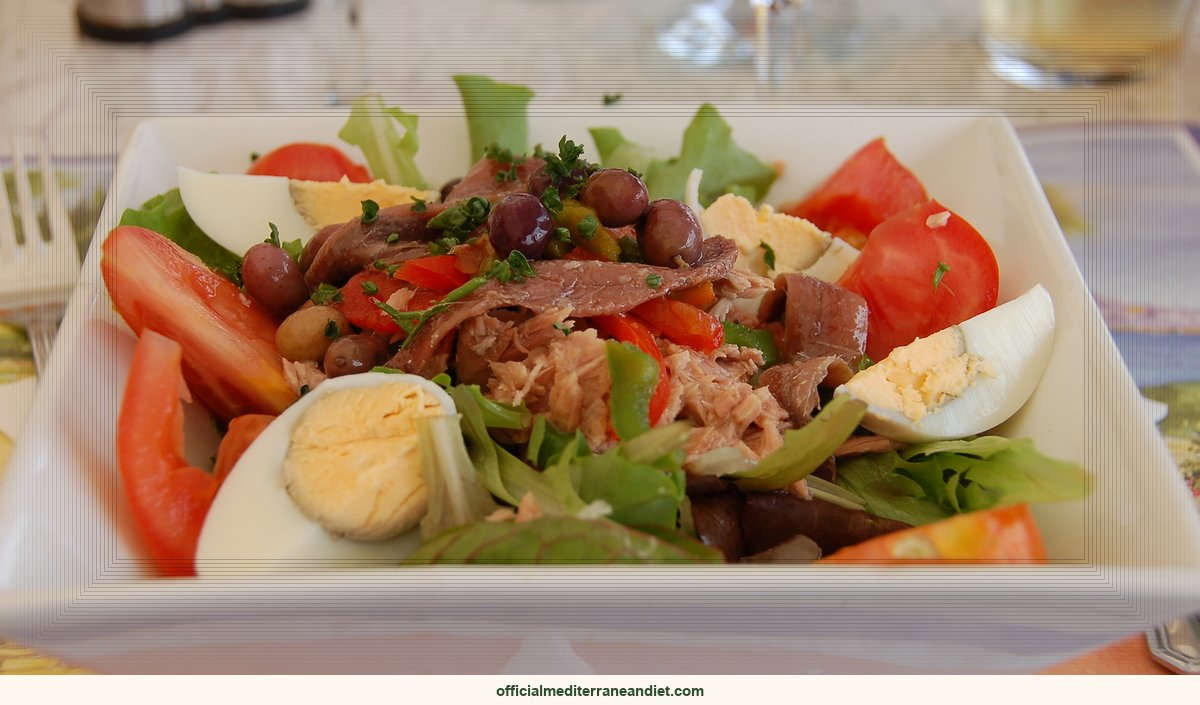
    Craving fresh, vibrant flavor? This easy Mediterranean tuna and white bean salad recipe is ready in minutes—perfect for lunch or a light dinner!

    This is a white bean salad recipe, the kind that sits at the heart of the Crete table. > Affiliate disclosure: Some product links below are affiliate links. If you buy through them, we may earn a small commission at no cost to you. We only recommend things we’d use ourselves. See our editorial policy for details.

    How a Cretan Grandmother’s Tuna‑and‑Bean Salad Turns a Simple Bowl Into a Luxury Meal

    On a sun‑kissed hilltop, Yiayia Eleni tosses bulgur, tuna, and beans into a bowl that feels like a feast yet costs pennies. The olive‑oil‑rich tuna and fresh mint deliver a bite that instantly recalls the sea, proving that everyday ingredients can taste extraordinary.

    One cup of cooked bulgur forms a fluffy base, light enough to avoid the heaviness of rice or pasta. To it she adds two cans of tuna packed in olive oil, each labeled as sustainably caught, and a 400‑gram can of white beans, rinsed and drained for a creamy, earthy backdrop.

    Tuna and beans have fed Cretan fishermen’s families for centuries. The oil‑infused tuna supplies omega‑rich fats; the beans bring plant protein and fiber. Together they create a protein‑dense meal without meat, echoing the island’s tradition of preserving the day’s catch to reduce waste and guarantee seafood even when the sea lies calm.

    A finely diced red bell pepper adds a sweet crunch that snaps against the soft beans. Diced cucumber, peeled and seeded, offers a cool bite that tempers the oil’s richness. Half a cup of halved Kalamata olives contributes a briny depth reminiscent of the surrounding groves. A quarter‑cup each of fresh parsley and mint finishes the salad with herbaceous brightness. When the olive‑oil‑laden tuna meets the cool cucumber, a tiny pop of brine erupts, a reminder of the Aegean’s salty breeze.

    Parsley and mint, staples of Cretan cooking, cut through richness and cleanse the palate. The olives, cured in the same sun‑drying process used for figs, supply a salty counterpoint that rounds the dish. The combination illustrates a Mediterranean principle: balance achieved through contrast rather than complexity.

    The salad adapts easily. Swap bulgur for quinoa or farro, tuna for sardines, and beans for chickpeas, and any pantry can echo Yiayia Eleni’s kitchen. The original proportions, one cup bulgur, two cans tuna, one can beans, plus the vegetables and herbs, remain a reliable template for a quick, satisfying meal that feels both rustic and refined.

    The recipe showcases traditional ingredients and sustainable sourcing, but it does not constitute scientific evidence of health benefits. While tuna and beans are nutritious, the article does not measure impacts on heart health, weight, or disease risk.

    Can I use fresh tuna instead of canned?
    Yes. Fresh, sustainably caught tuna can be grilled or poached, then flaked into the salad for a less oily texture.

    Is bulgur essential, or can I replace it?
    Bulgur provides a light grain base, but quinoa, couscous, or farro work well if you prefer a different texture or need a gluten‑free option.

    How long does the salad keep?
    Stored in an airtight container, it stays fresh for 2, 3 days in the refrigerator. Add the herbs just before serving to retain their brightness.

    What if I’m allergic to olives?
    Omit the Kalamata olives or substitute capers for a similar salty punch.

    Does the dish need a dressing?
    The olive oil from the tuna and the brine from the olives provide enough moisture. A splash of lemon juice or a drizzle of extra‑virgin olive oil can be added if desired.

    Sources

    1. “Mediterranean Tuna and White Bean Salad.” Yiayia Eleni’s Crete Kitchen. (Ingredients and tradition details).

    How to make this white bean salad recipe

    This Greek white bean salad recipe takes about 10 minutes to prep and 0 minutes to cook. The flavor comes from Crete, where Yiayia Eleni, our village’s beloved cook has made it the same way for years. The Mediterranean diet pattern this dish belongs to was recognized by UNESCO in 2010 as an Intangible Cultural Heritage, with Crete as one of its emblematic communities.

    Ingredients for mediterranean tuna and white bean salad

    • 200g (1 cup) cooked bulgur wheat, cooled
    • 2 cans (140g each) tuna in olive oil, drained and flaked, look for sustainably caught!
    • 1 can (400g/13.5oz) white beans (cannellini or Great Northern), rinsed and drained
    • 1 red bell pepper, finely diced
    • 1 cucumber, peeled, seeded, and finely diced
    • ½ cup Kalamata olives, pitted and halved
    • ¼ cup chopped fresh parsley
    • ¼ cup chopped fresh mint
    • 2 tablespoons capers, drained (optional)
    • Zest and juice of 1 lemon
    • 3 tablespoons extra virgin olive oil, Cretan if you can find it!
    • 1 clove garlic, minced
    • ½ teaspoon dried oregano
    • Salt and freshly ground black pepper to taste

    Method, the Crete way

    1. Step 1: In a large bowl, combine the cooled bulgur wheat, flaked tuna, white beans, diced red bell pepper, cucumber, Kalamata olives, parsley, mint, and capers (if using).
    2. Step 2: Prepare the Lemon-Herb Dressing: In a small bowl, whisk together the lemon zest, lemon juice, olive oil, minced garlic, and dried oregano. Season with salt and freshly ground black pepper to taste.
    3. Step 2a: Yiayia Eleni always says a little extra lemon brightens everything! Don’t be shy.
    4. Step 3: Pour the Lemon-Herb Dressing over the tuna and white bean mixture. Gently toss to combine, ensuring all ingredients are evenly coated.
    5. Step 4: Taste and adjust seasoning as needed. Add more lemon juice for brightness or a pinch of salt if desired.
    6. Step 5: Serve immediately or chill for later, the flavors meld beautifully over time.

    Tips from Yiayia Eleni, our village’s beloved cook

    The traditional way in Crete is to keep it simple. Researchers behind the PREDIMED trial found that the white bean salad recipe pattern, anchored in olive oil and short ingredient lists, cuts cardiovascular risk roughly 30%. Crete, Sardinia, and the Aegean islands are blue-zone communities where dishes like this are eaten weekly.

    Serving, storage, and what to drink

    Serves 4. Best the day it’s made. Leftovers keep in the fridge for two days. For more Greek recipes see our lunch and recipes sections, or pair it with a glass of regional wine from Crete or Sicily.

    Loved this recipe?

    Get the free 7-day Mediterranean Diet Starter Kit

    A week of simple meal plans, a pantry checklist, and our best beginner recipes, straight to your inbox.

    Send me the free kit →

    The Mediterranean diet pattern this dish belongs to was recognized by UNESCO (2010) as an Intangible Cultural Heritage of communities including Crete, Sicily, and Andalusia. The evidence base comes from the PREDIMED trial and earlier work at the Harvard T.H. Chan School of Public Health.