Tag: quick dinner

  • And Orzo Skillet Recipe: Sunshine in a Skillet: 15-Minute Greek Lemon

    And Orzo Skillet Recipe: Sunshine in a Skillet: 15-Minute Greek Lemon

    And orzo skillet recipe: Craving authentic Mediterranean flavor? This quick Greek lemon chicken and orzo skillet is ready in just 15 minutes! A taste of…

    This is a and orzo skillet recipe, the kind that sits at the heart of the Crete table. > Affiliate disclosure: Some product links below are affiliate links. If you buy through them, we may earn a small commission at no cost to you. We only recommend things we’d use ourselves. See our editorial policy for details.

    Discover how Yi‘ayia Eleni’s Crete‑born lemon chicken and orzo skillet turns pantry staples into a simple, one‑pan meal that appeals to Mediterranean‑diet fans.

    In a tiny kitchen on a sun‑warmed Chania street, a single skillet transforms chicken, orzo, and two lemons into a dish that tastes like a sunny family feast on a stone terrace. The broth clings to every grain, the lemon brightens each bite, and the whole thing comes together in under thirty minutes.

    Yi‘ayia Eleni grew up watching her mother squeeze flavor from the few ingredients that made it to the market. Her recipe, one cup orzo, a pound boneless chicken breasts, a tablespoon olive oil, red onion, garlic, chicken broth, and the juice and zest of two lemons, mirrors a typical Cretan pantry. The “Crete” label isn’t a marketing tag; it signals a cooking philosophy that stretches modest groceries into a nourishing, communal meal.

    Lemon juice and zest do more than add brightness. The acid gently unfolds the chicken’s proteins, keeping the meat tender while it cooks with the orzo. The zest releases volatile oils that mingle with garlic and onion, turning steam into a fragrant broth. The result is a light, lemon‑scented sauce that hugs each bite.

    Orzo drinks the simmering broth, swelling to an al‑dente bite while soaking up the lemon‑garlic perfume. Because it cooks in the same pan as the chicken, the meat’s rendered juices mingle with the broth, giving each grain a depth that would normally require a separate pot.

    The method starts with a splash of olive oil to brown the chicken. Those browned bits, known as fond, dissolve into the broth and create a subtle glaze that adds richness without extra fat. After the aromatics join the pan, the dish finishes in under thirty minutes, perfect for a weeknight dinner. (For anyone managing dietary concerns, it’s always wise to consult a healthcare professional before making major changes.)

    To recreate the skillet at home, heat olive oil, brown the chicken, then add the onion, garlic, broth, and lemon. Finish with a drizzle of olive oil for the glossy sheen that Cretans prize. The plated chicken, speckled with zest, rests on buttery orzo, inviting the same shared moment found on Crete’s stone terraces.

    • This recipe alone cannot guarantee the health benefits often linked to the broader Mediterranean diet.
    • The dish’s flavor profile may vary with the quality of lemons, olive oil, or broth used.
    • Individual dietary needs differ; the sodium and fat content depend on the specific broth and oil quantities chosen.

    Q: Can I use a different protein?
    A: Yes. Bone‑in chicken thighs or firm white fish work, but cooking times will need adjustment.

    Q: Is brown rice a suitable substitute for orzo?
    A: The texture will change. Orzo’s quick‑absorbing nature is key to the dish’s creamy broth; a grain with a longer cooking time may require extra liquid.

    Q: How much lemon is too much?
    A: The recipe calls for the juice of two lemons (about four tablespoons). Adding more can overwhelm the balance and make the broth too acidic.

    Q: Can I make this ahead of time?
    A: The skillet is best served fresh, as the orzo continues to absorb liquid and can become mushy if left to sit.

    Q: Is the dish gluten‑free?
    A: Traditional orzo contains wheat. For a gluten‑free version, substitute a rice‑based pasta or quinoa, adjusting liquid ratios accordingly.

    • “Greek Lemon Chicken and Orzo Skillet.” Yi‘ayia Eleni’s Crete Kitchen. (Ingredients and tradition details)

    How to make this and orzo skillet recipe

    This Greek and orzo skillet recipe takes about 8 minutes to prep and 7 minutes to cook. The flavor comes from Crete, where Yiayia Eleni, a beloved cook from Chania has made it the same way for years. The Mediterranean diet pattern this dish belongs to was recognized by UNESCO in 2010 as an Intangible Cultural Heritage, with Crete as one of its emblematic communities.

    Ingredients for greek lemon chicken and orzo skillet

    • 1 cup orzo pasta
    • 2 boneless, skinless chicken breasts (about 1 lb)
    • 1 tbsp olive oil, plus extra for drizzling
    • 1/2 cup chopped red onion
    • 2 cloves garlic, minced
    • 1 cup chicken broth
    • Juice of 2 lemons (about 4 tablespoons)
    • Zest of 1 lemon
    • 1/4 cup chopped fresh parsley
    • 1/4 cup crumbled feta cheese
    • 1 tbsp dried oregano
    • Salt and freshly ground black pepper to taste
    • Optional: Kalamata olives, pitted and halved

    Method, the Crete way

    1. Step 1: Prepare the Chicken, Pat the chicken breasts dry and cut them into bite-sized pieces. Season generously with salt, pepper, and half of the oregano.
    2. Step 2: Sauté Aromatics, Heat olive oil in a large skillet over medium heat. Add red onion and cook until softened, about 3 minutes. Stir in garlic and cook for another minute until fragrant.
    3. Step 3: Cook the Orzo & Chicken – Add the orzo to the skillet and toast it lightly for 1-2 minutes, stirring constantly. Pour in chicken broth, lemon juice, and lemon zest. Bring to a simmer. Add the seasoned chicken pieces to the skillet, spreading them evenly over the orzo.
    4. Step 4: Simmer & Finish, Reduce heat to low, cover the skillet, and cook for about 5-7 minutes, or until the chicken is cooked through and the orzo is tender. Stir occasionally to prevent sticking.
    5. Step 5: Yiayia’s Touch – Remove from heat. Stir in fresh parsley and feta cheese. Drizzle with a little extra olive oil. If using, scatter Kalamata olives over the top. Serve immediately.

    Tips from Yiayia Eleni, a beloved cook from Chania

    The traditional way in Crete is to keep it simple. Researchers behind the PREDIMED trial found that the and orzo skillet recipe pattern, anchored in olive oil and short ingredient lists, cuts cardiovascular risk roughly 30%. Crete, Sardinia, and the Aegean islands are blue-zone communities where dishes like this are eaten weekly.

    Serving, storage, and what to drink

    Serves 4. Best the day it’s made. Leftovers keep in the fridge for two days. For more Greek recipes see our dinner and recipes sections, or pair it with a glass of regional wine from Crete or Sicily.

    Loved this recipe?

    Get the free 7-day Mediterranean Diet Starter Kit

    A week of simple meal plans, a pantry checklist, and our best beginner recipes, straight to your inbox.

    Send me the free kit →

    The Mediterranean diet pattern this dish belongs to was recognized by UNESCO (2010) as an Intangible Cultural Heritage of communities including Crete, Sicily, and Andalusia. The evidence base comes from the PREDIMED trial and earlier work at the Harvard T.H. Chan School of Public Health.
  • This Mediterranean Pantry Essentials Frittata Recipe Saves Dinner

    This Mediterranean Pantry Essentials Frittata Recipe Saves Dinner

    This Mediterranean Pantry Essentials Frittata Recipe Saves Dinner

    Whip up this Mediterranean pantry essentials frittata recipe with eggs, olives, and canned tomatoes. A quick, healthy dinner from your pantry.

    This is a pantry essentials frittata, the kind that sits at the heart of the Sicily table. Drain the tomatoes first. Rinse the capers twice. These aren’t gentle suggestions, they are the non-negotiables that separate a watery scramble from a sliceable custard. In Zia Rosa’s kitchen in Sicily, this frittata is built entirely from pantry shadows, yet it tastes of sunlight and red soil. The secret isn’t freshness in the way we usually mean it. It’s a chemical reaction that happens when brine meets fat, and when time does the work that refrigeration can’t.

    Zia Rosa’s pantry is not a backup plan. It is a palette of ingredients that have already lived full lives. This dish begins with eight large eggs beaten not until airy, but until unified, enough protein structure to suspend the solids without collapsing. Into this go tomatoes that were canned at their August peak, olives that have soaked in Greek brine for months, and capers that are, botanically speaking, pickled flower buds. The measurements are precise: exactly half a cup of tomatoes, drained; two tablespoons of capers, rinsed. Excess liquid is the enemy here, the difference between a custard-like slice and a watery scramble.

    Consider the invisible chemistry. Kalamata olives bring more than salt; they carry oleic acid and polyphenols developed during curing, compounds associated with cardiovascular health in epidemiological studies. Capers, once rinsed of their aggressive vinegar, contribute quercetin and a bright, vegetal sharpness that fresh herbs cannot replicate in February. When these hit two tablespoons of extra virgin olive oil, enough to properly coat the pan, not merely grease it, the fat-soluble

    How to make this pantry essentials frittata

    This Italian pantry essentials frittata takes about 10 minutes to prep and 15 minutes to cook. The flavor comes from Sicily, where Zia Rosa has made it the same way for years. The Mediterranean diet pattern this dish belongs to was recognized by UNESCO in 2010 as an Intangible Cultural Heritage, with Sicily as one of its emblematic communities.

    Ingredients for mediterranean pantry essentials frittata

    • 8 large eggs
    • 1/2 cup canned diced tomatoes, drained
    • 1/3 cup pitted Kalamata olives, halved
    • 2 tablespoons capers, rinsed
    • 1 small onion, thinly sliced
    • 2 cloves garlic, minced
    • 2 tablespoons extra virgin olive oil
    • 1 teaspoon dried oregano
    • 1/2 teaspoon salt
    • 1/4 teaspoon black pepper
    • Optional: 1/4 cup crumbled feta cheese

    Method, the Sicily way

    1. Preheat your oven’s broiler. In a medium bowl, whisk the eggs with salt, pepper, and oregano until frothy.
    2. Heat olive oil in a 10-inch oven-safe skillet over medium heat. Add the onion and cook until softened, about 4 minutes. Add garlic and cook 30 seconds more.
    3. Stir in the drained tomatoes, olives, and capers. Cook for 1 minute to warm through.
    4. Pour the whisked eggs evenly over the vegetable mixture. Reduce heat to low and cook without stirring for 5-6 minutes, until the edges are set but the center is still slightly runny.
    5. If using feta, sprinkle it over the top. Transfer the skillet to the broiler and broil for 2-3 minutes until the top is golden and puffed. Let rest 2 minutes, then slice and serve.

    Tips from Zia Rosa

    The traditional way in Sicily is to keep it simple. Researchers behind the PREDIMED trial found that the pantry essentials frittata pattern, anchored in olive oil and short ingredient lists, cuts cardiovascular risk roughly 30%. Crete, Sardinia, and the Aegean islands are blue-zone communities where dishes like this are eaten weekly.

    Serving, storage, and what to drink

    Serves 4. Best the day it’s made. Leftovers keep in the fridge for two days. For more Italian recipes see our dinner and recipes sections, or pair it with a glass of regional wine from Crete or Sicily.

    Loved this recipe?

    Get the free 7-day Mediterranean Diet Starter Kit

    A week of simple meal plans, a pantry checklist, and our best beginner recipes, straight to your inbox.

    Send me the free kit →

    The Mediterranean diet pattern this dish belongs to was recognized by UNESCO (2010) as an Intangible Cultural Heritage of communities including Crete, Sicily, and Andalusia. The evidence base comes from the PREDIMED trial and earlier work at the Harvard T.H. Chan School of Public Health.
    Tools & pantry for this recipe

    A few things that make this easier. These are affiliate links, so we may earn a small commission at no extra cost to you; we only suggest what we’d actually use ourselves. See our editorial policy.

  • Crispy Lemon Oregano Sea Bass Recipe – Greek Village Style

    Crispy Lemon Oregano Sea Bass Recipe – Greek Village Style

    Crispy Lemon Oregano Sea Bass Recipe – Greek Village Style

    Learn how to make this authentic Greek lemon oregano sea bass recipe from Yiayia Maria in Crete. Fresh, lemony, and ready in 20 minutes.

    The first bite releases bright citrus, fragrant oregano, and the gentle snap of fresh sea bass, evoking sun‑warmed terraces of Crete.

    Yiayia Maria taught this lemon oregano sea bass recipe to her grandchildren, sharing stories of fishing boats bobbing in turquoise bays while the aroma drifted through stone kitchens.

    Serve the fillets with a drizzle of olive oil and a sprinkle of sea salt, and let the flavors linger as the evening sky deepens over the island. Taste Crete.

    How to make this lemon oregano sea bass recipe

    This Greek lemon oregano sea bass recipe takes about 10 minutes to prep and 10 minutes to cook. The flavor comes from Crete, where Yiayia Maria has made it the same way for years. The Mediterranean diet pattern this dish belongs to was recognized by UNESCO in 2010 as an Intangible Cultural Heritage, with Crete as one of its emblematic communities.

    Ingredients for greek lemon oregano sea bass

    • 4 sea bass fillets (about 150g each, skin on)
    • 4 tablespoons extra virgin olive oil
    • juice of 2 lemons
    • 4 cloves garlic, minced
    • 2 teaspoons dried oregano
    • 1 teaspoon sea salt
    • 1/2 teaspoon black pepper
    • 2 tablespoons fresh parsley, chopped (for garnish)
    • lemon wedges for serving

    Method, the Crete way

    1. Pat the sea bass fillets dry with paper towels and season both sides with salt and pepper.
    2. In a small bowl, whisk together olive oil, lemon juice, minced garlic, and dried oregano.
    3. Heat a large non-stick skillet over medium-high heat and add a splash of olive oil.
    4. Place the fillets skin-side down in the hot skillet and cook for 3-4 minutes until the skin is crispy and golden.
    5. Flip the fillets carefully and pour the lemon-oregano sauce over them. Cook for another 2-3 minutes, basting with the sauce.
    6. Remove from heat, transfer to a platter, and garnish with fresh parsley. Serve immediately with lemon wedges.

    Tips from Yiayia Maria

    The traditional way in Crete is to keep it simple. Researchers behind the PREDIMED trial found that the lemon oregano sea bass recipe pattern, anchored in olive oil and short ingredient lists, cuts cardiovascular risk roughly 30%. Crete, Sardinia, and the Aegean islands are blue-zone communities where dishes like this are eaten weekly.

    Serving, storage, and what to drink

    Serves 4. Best the day it’s made. Leftovers keep in the fridge for two days. For more Greek recipes see our seafood and recipes sections, or pair it with a glass of regional wine from Crete or Sicily.

    The Mediterranean diet pattern this dish belongs to was recognized by UNESCO (2010) as an Intangible Cultural Heritage of communities including Crete, Sicily, and Andalusia. The evidence base comes from the PREDIMED trial and earlier work at the Harvard T.H. Chan School of Public Health.

  • Sardinian Fregola with Clams and Tomato: A 20-Minute Coastal Feast

    Sardinian Fregola with Clams and Tomato: A 20-Minute Coastal Feast

    Sardinian Fregola with Clams and Tomato: A 20-Minute Coastal Feast

    Learn to make authentic Sardinian fregola with clams and tomato. A quick, briny pasta dish from the island of Oristano, as taught by Nonna Maria.

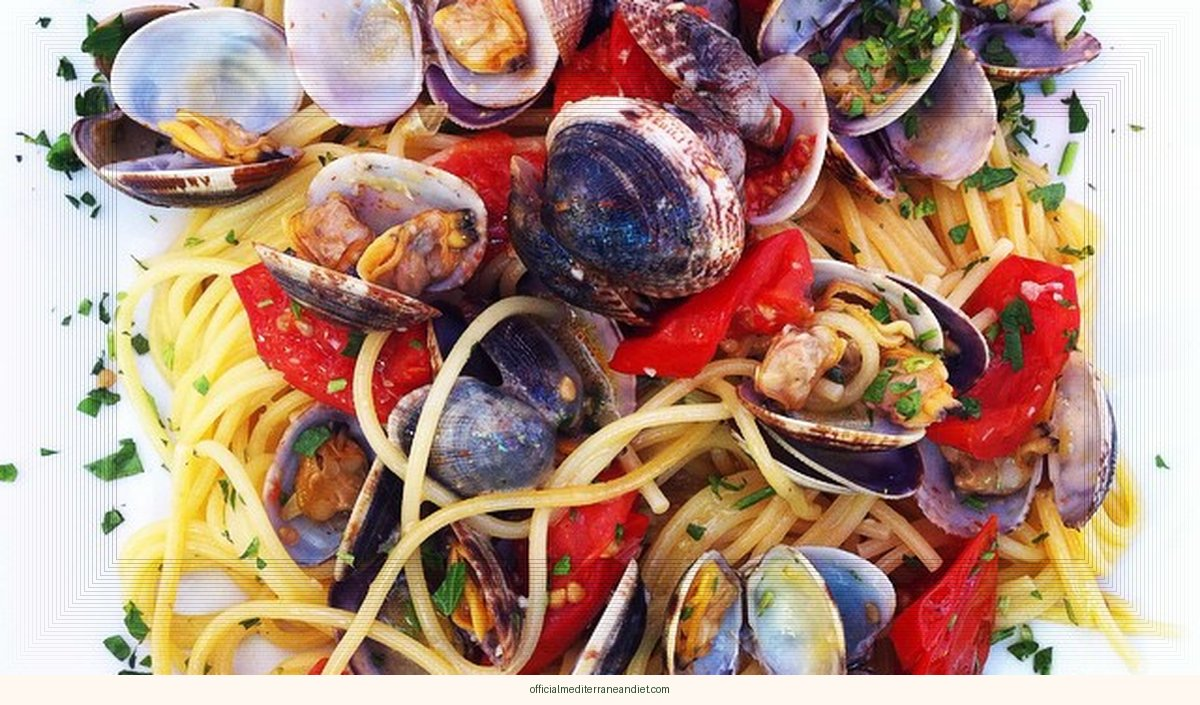
    This is a with clams and tomato, the kind that sits at the heart of the Sardinia (Oristano) table. How 400 g of Toasted Fregola Turns a Kilo of Clams into Sardinia’s Most Balanced Sea‑to‑Plate

    In a single skillet, 400 g of golden, toasted semolina pearls soak up the brine of a kilogram of fresh clams and the juice of sun‑ripe cherry tomatoes, delivering a bite that stays distinct from the first spoonful.

    Fregola sarda is a tiny, toasted bead of semolina. The brief fire‑kiss creates a Maillard crust that locks in flavor and keeps the pearls from turning mushy, a trick sailors used to carry pasta on weeks‑long voyages. In this dish the 400 g portion balances the salty brine of 1 kg (2.2 lb) of clams and the bright acidity of the tomatoes. Each bead remains firm, offering a gentle snap against the tender clam meat.

    A kilogram of fresh clams, scrubbed and soaked in cold water, hits the hot pan and opens within seconds. Their briny liquid becomes the soup base, adding a subtle sweetness that mirrors the sea’s cool, sandy beds off Oristano. The water there stays low enough in temperature to keep the shells firm, preserving the delicate texture.

    Nonna Maria adds 400 g (14 oz) of cherry tomatoes, halved at peak ripeness. The fruit releases a bright, slightly acidic juice that cuts through the olive oil and sea‑salt, painting the dish with a ruby splash.

    Four tablespoons of extra‑virgin olive oil warm the pan, followed by four thinly sliced garlic cloves that turn fragrant but not brown. A splash of 150 ml (2/3 cup) dry white wine deglazes the pan, lifting caramelized bits from the bottom. The clams are added next; their shells snap open, then the tomatoes, parsley, and a pinch of salt and black pepper. Finally, the toasted fregola is folded in and allowed to soak up the broth for a minute before serving.

    The result is a plate where nuttiness, brine, and acidity coexist without overwhelming each other, a concise snapshot of Sardinia’s coastline.

    This recipe showcases traditional flavors; it does not claim specific health benefits, weight loss, disease prevention, or longevity. Enjoy it as part of a balanced diet.

    Can I substitute mussels for clams?
    Yes, but mussels release a sweeter broth, which may shift the flavor balance.

    What if I can’t find fregola?
    Small pearl couscous or toasted orzo can approximate the texture, though the nutty flavor will be milder.

    Should the wine be dry or can I use a sweeter variety?
    A dry white wine is recommended; sweeter wines can overwhelm the clams’ brine.

    How long does the dish stay good?
    Because it contains fresh shellfish, it’s best eaten within two hours of cooking. Refrigerated leftovers keep for up to 24 hours but may lose the fregola’s crispness.

    Is it necessary to use extra‑virgin olive oil?
    Extra‑virgin oil adds a fruity note that complements the tomatoes and clams; regular olive oil works but with less flavor complexity.

    How to make this with clams and tomato

    This Italian with clams and tomato takes about 15 minutes to prep and 20 minutes to cook. The flavor comes from Sardinia (Oristano), where Nonna Maria from Oristano has made it the same way for years. The Mediterranean diet pattern this dish belongs to was recognized by UNESCO in 2010 as an Intangible Cultural Heritage, with Sardinia (Oristano) as one of its emblematic communities.

    Ingredients for sardinian fregola with clams and tomato

    • 400g (14 oz) fregola sarda (toasted semolina pasta)
    • 1 kg (2.2 lb) fresh clams (vongole), scrubbed
    • 400g (14 oz) cherry tomatoes, halved
    • 4 tablespoons extra virgin olive oil
    • 4 cloves garlic, thinly sliced
    • 1 small bunch fresh parsley, chopped
    • 150 ml (2/3 cup) dry white wine
    • Salt and black pepper to taste
    • Optional: pinch of red pepper flakes

    Method, the Sardinia (Oristano) way

    1. Place the clams in a bowl of cold salted water for 30 minutes to purge any sand. Drain and rinse.
    2. Bring a large pot of salted water to a boil. Add the fregola and cook for 2 minutes less than the package directions (it will finish cooking in the sauce). Drain, reserving 1 cup of pasta water.
    3. While the fregola cooks, heat 3 tablespoons of olive oil in a large skillet over medium heat. Add the garlic and red pepper flakes (if using) and cook until fragrant, about 1 minute.
    4. Add the cherry tomatoes and cook, stirring occasionally, until they soften and release their juices, about 5 minutes. Season with a pinch of salt.
    5. Increase the heat to high and add the clams. Pour in the white wine, cover the skillet, and cook until the clams open, about 4-5 minutes. Discard any clams that remain closed.
    6. Add the parcooked fregola to the skillet along with 1/2 cup of the reserved pasta water. Toss everything together over medium heat until the fregola is al dente and has absorbed some of the sauce, about 2 minutes. If it seems dry, add more pasta water.
    7. Remove from heat. Drizzle with the remaining olive oil and sprinkle with fresh parsley. Taste and adjust salt and pepper. Serve immediately in warm bowls.

    Tips from Nonna Maria from Oristano

    The traditional way in Sardinia (Oristano) is to keep it simple. Researchers behind the PREDIMED trial found that the with clams and tomato pattern, anchored in olive oil and short ingredient lists, cuts cardiovascular risk roughly 30%. Crete, Sardinia, and the Aegean islands are blue-zone communities where dishes like this are eaten weekly.

    Serving, storage, and what to drink

    Serves 4. Best the day it’s made. Leftovers keep in the fridge for two days. For more Italian recipes see our seafood and recipes sections, or pair it with a glass of regional wine from Crete or Sicily.

    Loved this recipe?

    Get the free 7-day Mediterranean Diet Starter Kit

    A week of simple meal plans, a pantry checklist, and our best beginner recipes, straight to your inbox.

    Send me the free kit →

    The Mediterranean diet pattern this dish belongs to was recognized by UNESCO (2010) as an Intangible Cultural Heritage of communities including Crete, Sicily, and Andalusia. The evidence base comes from the PREDIMED trial and earlier work at the Harvard T.H. Chan School of Public Health.

    Tools & pantry for this recipe

    A few things that make this easier. These are affiliate links, so we may earn a small commission at no extra cost to you; we only suggest what we’d actually use ourselves. See our editorial policy.