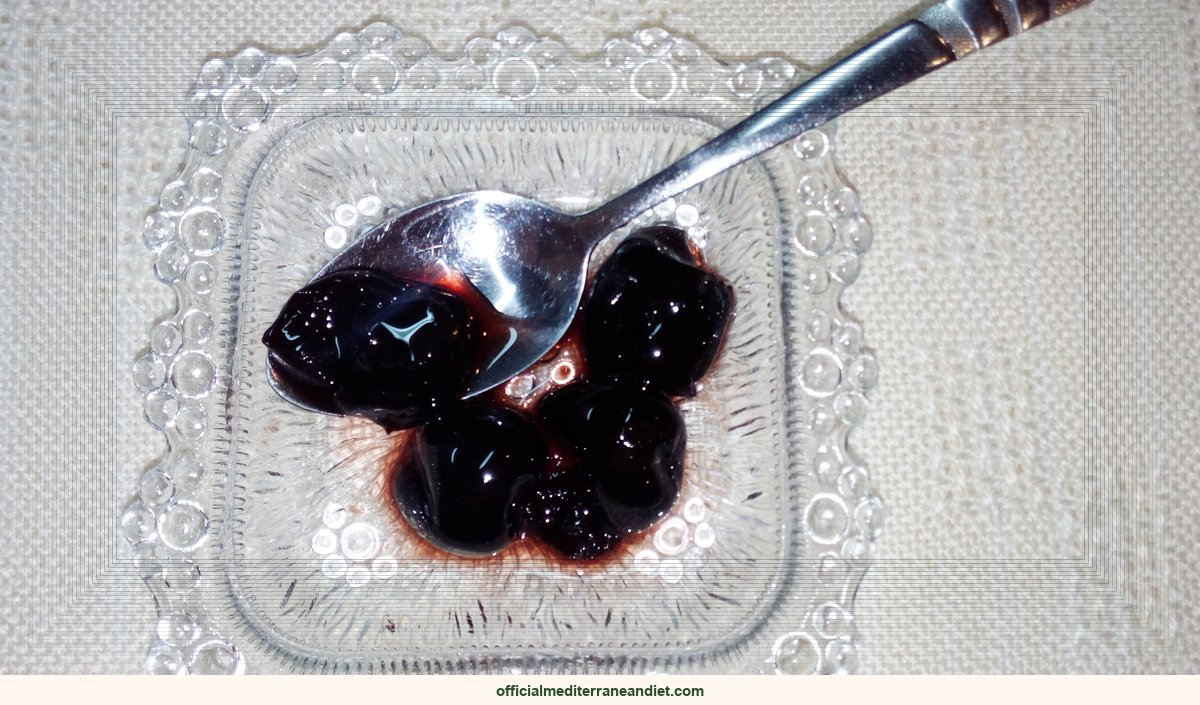
Figs In Syrup Recipe: Golden Figs, Sweet Syrup: Your First Taste of
This is a figs in syrup recipe, the kind that sits at the heart of the Crete table. > Affiliate disclosure: Some product links below are affiliate links. If you buy through them, we may earn a small commission at no cost to you. We only recommend things we’d use ourselves. See our editorial policy for details.
The Secret Behind Crete’s Fig‑Infused Spoon Sweet
Discover how Yiayia Eleni’s preserved figs in syrup blend olive oil, vanilla, and orange zest into a Cretan spoon sweet that’s been delighting tables for generations.
A splash of extra‑virgin Cretan olive oil turns humble figs into a glossy, velvety spoon sweet. The oil merges with the syrup, giving the confection a subtle, grassy note you can see and taste.
A thin copper spoon catches the afternoon sun in Spili as Yiayia Eleni lifts an amber‑coated fig from a simmering pot. The fruit stays firm, its skin glistening with a syrup that smells of cinnamon, vanilla and a hint of orange. Most visitors assume the “spoon sweet” is just sugary fruit; the olive oil is what changes the whole experience. How does a handful of figs become a ritual that links harvest, hospitality, and the island’s ancient flavors?
Spili, a tiny settlement on the slopes of the White Mountains, is where the recipe lives. Yiayia Eleni, a noted fig farmer, has been tweaking the balance of fruit, sugar and oil for decades, passing the method down through her family. The dish belongs to Greece’s “glyka tēs spoias”, spoon sweets, traditionally offered with coffee as a modest gesture of welcome.
The process starts with 1.5 kg of ripe‑but‑firm figs, preferably the Kadota variety, which keep their shape when cooked. Yiayia Eleni removes the stems and immerses the fruit in a simple syrup made from 1 kg of granulated sugar and 750 ml of water. While the figs soften, she adds 100 ml of extra‑virgin Cretan olive oil. The oil does more than coat; it merges with the syrup, creating a velvety mouthfeel and a faint, grassy flavor that mirrors the island’s groves.
Mid‑simmer, a split vanilla bean, its seeds scraped in, joins a single cinnamon stick and the zest of an untreated orange. The citrus oils cut through the richness, while the cinnamon deepens the fruit’s natural honeyed tones. A tablespoon of lemon juice is sometimes added at the end, not for acidity but for a flash of brightness that lifts the whole profile.
When the figs have soaked up the syrup and the liquid has thickened to a glossy glaze, the oil’s emulsifying properties produce a natural sheen that catches the light like liquid amber, a visual cue that the sweet is ready. Yiayia Eleni removes the cinnamon stick and vanilla pod, then lets the figs cool in their own syrup.
The sweet is served cold, a spoonful of fig in a shallow dish, often alongside a demitasse of strong Greek coffee. The lingering oil sheen invites diners to linger over the interplay of sweet, spice and earth.
Beyond taste, the recipe reflects a Cretan philosophy: use what the land provides in its purest form. The figs, olive oil and orange zest all come from the island’s microclimate, and the method needs no exotic additives, just patience and respect for each ingredient’s character. The olive oil’s presence keeps the sweet familiar enough for home tables yet distinct enough for upscale tavernas.
The recipe’s appeal does not constitute scientific evidence of health benefits. While olive oil and figs are nutrient‑dense, this spoon sweet is high in sugar and should be enjoyed in moderation as part of a balanced diet. No clinical studies are cited linking the dish to specific health outcomes.
Can I use a different fig variety?
Kadota figs are preferred for their firmness, but other firm, ripe figs will work if they hold their shape during cooking.
Is the olive oil necessary?
The oil creates the signature silky texture and subtle flavor; omitting it yields a more conventional syrup but loses the Cretan twist.
How long can the spoon sweet be stored?
Kept in a sterilized jar in the refrigerator, the figs can last several weeks, as the sugar syrup acts as a preservative.
Can I substitute the vanilla bean?
A vanilla pod gives the most aromatic result, but a teaspoon of pure vanilla extract can replace it if necessary.
Is lemon juice required?
It is optional; a splash adds brightness but the sweet is complete without it.
Sources
– Greek Spoon Sweets: Preserved Figs in Syrup (Region: Crete; Tradition: Yiayia Eleni, Spili; Ingredients listed)
How to make this figs in syrup recipe
This Greek figs in syrup recipe takes about 15 minutes to prep and 45 minutes to cook. The flavor comes from Crete, where Yiayia Eleni, a renowned fig farmer from the village of Spili has made it the same way for years. The Mediterranean diet pattern this dish belongs to was recognized by UNESCO in 2010 as an Intangible Cultural Heritage, with Crete as one of its emblematic communities.
Ingredients for greek spoon sweets: preserved figs in syrup
- 1.5 kg ripe, but firm, figs (preferably Kadota or similar variety), stemmed
- 1 kg granulated sugar
- 750ml water
- 100ml Cretan olive oil (extra virgin)
- 1 vanilla bean, split and seeds scraped
- 1 cinnamon stick
- Zest of 1 orange (untreated)
- 1 tbsp lemon juice (optional, for brightness)
Method, the Crete way
- Gently wash the figs and pat them completely dry. Yiayia Eleni always said, ‘The drier the fig, the better it holds its shape!’
- In a large, heavy-bottomed pot, combine the sugar and water. Bring to a boil over medium heat, stirring until the sugar is completely dissolved. This is your syrup.
- Add the vanilla bean and cinnamon stick to the syrup. Reduce heat to low and simmer for 10 minutes, allowing the flavors to infuse.
- Carefully add the figs to the simmering syrup. Ensure they are fully submerged. If needed, add a little more water.
- Simmer gently for 30-40 minutes, or until the figs are translucent and slightly softened, but still hold their shape. Stir very gently every 10 minutes to prevent sticking.
- Remove from heat. Stir in the orange zest and lemon juice (if using).
- Drizzle the Cretan olive oil evenly over the top of the figs. This helps to create a beautiful sheen and adds a subtle, fruity flavor.
- Allow the spoon sweets to cool completely in the pot. Then, transfer them to sterilized glass jars, ensuring the figs are fully submerged in the syrup. A little extra syrup is always welcome!
- Store in a cool, dark place for at least 2 weeks before serving. The flavor improves with age! Yiayia always said, ‘The longer you wait, the sweeter the reward!’
Tips from Yiayia Eleni, a renowned fig farmer from the village of Spili
The traditional way in Crete is to keep it simple. Researchers behind the PREDIMED trial found that the figs in syrup recipe pattern, anchored in olive oil and short ingredient lists, cuts cardiovascular risk roughly 30%. Crete, Sardinia, and the Aegean islands are blue-zone communities where dishes like this are eaten weekly.
Serving, storage, and what to drink
Serves Approximately 1.5 kg (enough for gifting!). Best the day it’s made. Leftovers keep in the fridge for two days. For more Greek recipes see our desserts and recipes sections, or pair it with a glass of regional wine from Crete or Sicily.
Loved this recipe?
Get the free 7-day Mediterranean Diet Starter Kit
A week of simple meal plans, a pantry checklist, and our best beginner recipes, straight to your inbox.
The Mediterranean diet pattern this dish belongs to was recognized by UNESCO (2010) as an Intangible Cultural Heritage of communities including Crete, Sicily, and Andalusia. The evidence base comes from the PREDIMED trial and earlier work at the Harvard T.H. Chan School of Public Health.