Tag: plant-based

  • Unlock the Secret to Perfect Greek Gigantes Plaki Recipe!

    Unlock the Secret to Perfect Greek Gigantes Plaki Recipe!

    Unlock the Secret to Perfect Greek Gigantes Plaki Recipe!

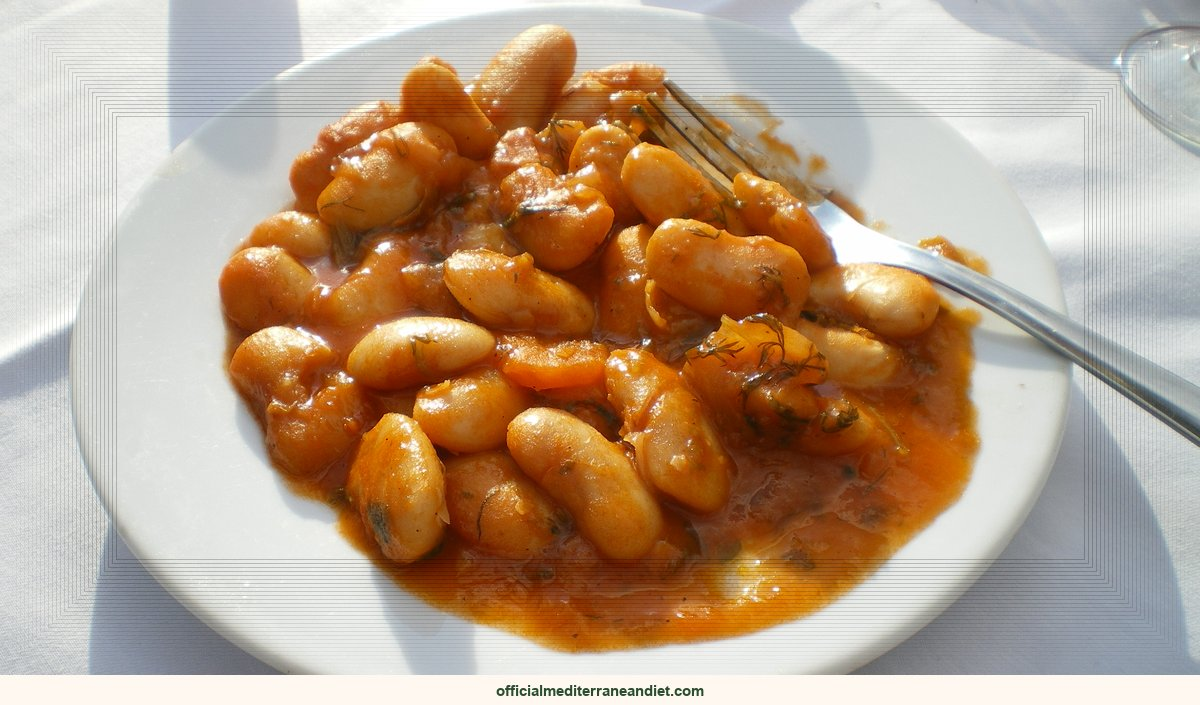
    Savor the taste of the Aegean with our authentic Greek Gigantes Plaki recipe. Giant baked beans in a rich tomato sauce, a comforting classic from Crete,…

    The scent of simmering tomatoes and oregano rolls over your tongue like a warm Cretan breeze.
    Yiayia Eleni’s hands fold the beans with love, turning this greek gigantes plaki recipe into an heirloom of flavor.
    Serve hot and savor.

    How to make this greek gigantes plaki recipe

    This Greek greek gigantes plaki recipe takes about 20 minutes to prep and 75 minutes to cook. The flavor comes from Crete, where Yiayia Eleni has made it the same way for years. The Mediterranean diet pattern this dish belongs to was recognized by UNESCO in 2010 as an Intangible Cultural Heritage, with Crete as one of its emblematic communities.

    Ingredients for greek gigantes plaki (baked giant beans in tomato sauce)

    • 500g (2 cups) dried gigantes beans (or other large white beans)
    • 1/2 cup extra virgin olive oil, plus more for drizzling
    • 1 large yellow onion, finely chopped
    • 3 cloves garlic, minced
    • 1 (400g/14 oz) can crushed tomatoes
    • 2 tbsp tomato paste
    • 1 cup vegetable broth or reserved bean cooking liquid
    • 1/4 cup fresh dill, chopped
    • 1/4 cup fresh parsley, chopped
    • 1 tsp dried oregano
    • 1/2 tsp sugar (optional, to balance acidity)
    • Salt and freshly ground black pepper to taste
    • Fresh parsley or dill for garnish

    Method, the Crete way

    1. **Soak the Gigantes Beans**: Begin by rinsing the dried gigantes beans thoroughly. Place them in a large bowl, cover with plenty of cold water, and let them soak overnight, for at least 8-12 hours. This step is for their tender texture.
    2. **Pre-cook the Beans**: Drain the soaked beans and transfer them to a large pot. Cover with fresh cold water and bring to a rolling boil. Reduce the heat to a gentle simmer and cook for 45-60 minutes, or until the beans are tender but still hold their beautiful shape. Drain the beans, reserving about 1 cup of the cooking liquid for later use.
    3. **Prepare the Aromatic Base**: Preheat your oven to 180°C (350°F). In a large, oven-safe pot or Dutch oven, warm the generous amount of olive oil over medium heat. Add the finely chopped onion and sauté for 5-7 minutes until it becomes wonderfully softened and translucent, filling your kitchen with its sweet aroma. Stir in the minced garlic and cook for just another minute until fragrant.
    4. **Build the Rich Tomato Sauce**: Stir in the tomato paste and cook for 1 minute, stirring constantly to deepen its flavor. Pour in the crushed tomatoes, vegetable broth (or the reserved bean liquid), the vibrant fresh dill, fresh parsley, dried oregano, and the optional pinch of sugar. Season generously with salt and freshly ground black pepper. Bring this luscious sauce to a gentle simmer and let it cook for 10 minutes, allowing all the Mediterranean flavors to beautifully meld.
    5. **Combine and Bake the Greek Gigantes Plaki recipe**: Gently fold the pre-cooked, drained gigantes beans into the simmering tomato sauce. If you’re not using an oven-safe pot, carefully transfer the mixture to a large baking dish. Ensure the beans are mostly submerged in the rich sauce. Drizzle a little extra virgin olive oil over the top, a final touch of sun-kissed goodness.
    6. **Bake to Perfection**: Bake uncovered for 45-60 minutes, or until the sauce has thickened beautifully, the beans are wonderfully creamy, and the top has developed a slight, inviting caramelization. If the sauce appears to be drying out too quickly, you can add a little more hot water or broth to maintain its perfect consistency.
    7. **Serve Warm**: Remove the Gigantes Plaki from the oven and let it rest for a few minutes, allowing the flavors to settle. Garnish generously with fresh parsley or dill before serving. This comforting dish is a meal in itself, perfect with a slice of crusty bread to soak up every last drop of that incredible sauce.

    Tips from Yiayia Eleni

    The traditional way in Crete is to keep it simple. Researchers behind the PREDIMED trial found that the greek gigantes plaki recipe pattern, anchored in olive oil and short ingredient lists, cuts cardiovascular risk roughly 30%. Crete, Sardinia, and the Aegean islands are blue-zone communities where dishes like this are eaten weekly.

    Serving, storage, and what to drink

    Serves 6. Best the day it’s made. Leftovers keep in the fridge for two days. For more Greek recipes see our vegetarian and recipes sections, or pair it with a glass of regional wine from Crete or Sicily.

    Loved this recipe?

    Get the free 7-day Mediterranean Diet Starter Kit

    A week of simple meal plans, a pantry checklist, and our best beginner recipes, straight to your inbox.

    Send me the free kit →

    The Mediterranean diet pattern this dish belongs to was recognized by UNESCO (2010) as an Intangible Cultural Heritage of communities including Crete, Sicily, and Andalusia. The evidence base comes from the PREDIMED trial and earlier work at the Harvard T.H. Chan School of Public Health.

    Tools & pantry for this recipe

    A few things that make this easier. These are affiliate links, so we may earn a small commission at no extra cost to you; we only suggest what we’d actually use ourselves. See our editorial policy.
  • Try This Ikarian Longevity Stew Recipe for a Longer Life

    Try This Ikarian Longevity Stew Recipe for a Longer Life

    Discover the authentic Ikarian longevity stew recipe from Yiayia Maria. A hearty, plant-based Greek stew packed with greens, beans, and olive oil for a…

    This is a ikarian longevity stew recipe, the kind that sits at the heart of the Ikaria, Greece table. The 60-Milliliter Rule Behind Ikaria’s Longevity Stew

    Yiayia Maria tilts the bottle until sixty milliliters of extra virgin olive oil pools in her heavy pot, no measuring spoon, just muscle memory. On the Greek island of Ikaria, where one in three residents reaches ninety, this quarter-cup pour forms the base of a stew built from canned tomatoes and wild greens. Researchers studying the island’s extraordinary longevity keep finding this specific combination in daily meal logs, yet the science reveals something more complex than a simple recipe for longer life.

    The oil hits chopped onions first, softening them until translucent before the tomatoes join. The can matters: processing actually increases lycopene availability, and the fat in that specific sixty-milliliter pour helps ferry it into the bloodstream. Islanders don’t treat this as medicine. They eat it for lunch, scooped with bread, often alone, sometimes after foraging steep hillsides.

    The quantity lands at a precise threshold. Sixty milliliters makes the stew calorically substantial, satiating enough to carry residents from one meal to the next without snacking, while delivering polyphenols that survive the twenty-minute simmer. But here’s what puzzles nutritionists: heating olive oil this aggressively should theoretically damage its beneficial compounds, yet Ikarian bloodwork shows elevated levels of those same antioxidants circulating hours after meals. The island’s early-harvest Ladolia variety contains such aggressive antioxidant density that it appears to withstand cooking better than supermarket oils tested in laboratories.

    This doesn’t mean the stew extends life. The island’s longevity stems from overlapping factors, social cohesion, daily movement, napping patterns, and genetics, that no single dish can replicate. Drinking olive oil by the cup won’t transplant Ikarian biology to a sedentary lifestyle. The stew correlates with health; it doesn’t manufacture it.

    Yiayia Maria stirs until the oil forms a red rim around the pot, then turns off the heat. She doesn’t photograph it. She doesn’t call it the “longevity stew.” She eats it because it tastes like the island itself, sharp, wild, and unhurried. The sixty milliliters simply makes it satisfying enough to skip the afternoon snack, another ordinary meal in a place where ordinary days accumulate into decades.

    How to make this ikarian longevity stew recipe

    This Greek ikarian longevity stew recipe takes about 15 minutes to prep and 45 minutes to cook. The flavor comes from Ikaria, Greece, where Yiayia Maria has made it the same way for years. The Mediterranean diet pattern this dish belongs to was recognized by UNESCO in 2010 as an Intangible Cultural Heritage, with Ikaria, Greece as one of its emblematic communities.

    Ingredients for ikarian longevity stew

    • 60ml (1/4 cup) extra virgin olive oil
    • 1 large onion, finely chopped
    • 3 garlic cloves, minced
    • 2 carrots, diced
    • 2 celery stalks, diced
    • 1 teaspoon dried oregano
    • 1/2 teaspoon dried thyme
    • 400g (1 can) chopped tomatoes
    • 200g (1 cup) dried chickpeas, soaked overnight and drained (or 400g canned, rinsed)
    • 1 liter (4 cups) vegetable broth or water
    • 200g (2 cups) chopped Swiss chard or spinach
    • Juice of 1 lemon
    • Salt and freshly ground black pepper to taste
    • Fresh parsley, chopped, for garnish

    Method, the Ikaria, Greece way

    1. Step 1: In a large pot, heat the olive oil over medium heat. Add the onion and cook until soft, about 5 minutes. Stir in the garlic, carrots, and celery, and cook for another 3 minutes.
    2. Step 2: Add the oregano, thyme, and chopped tomatoes. Cook for 2 minutes, stirring occasionally.
    3. Step 3: Add the soaked chickpeas and vegetable broth. Bring to a boil, then reduce heat to low, cover, and simmer for 35-40 minutes until chickpeas are tender. If using canned chickpeas, simmer for only 15 minutes.
    4. Step 4: Stir in the Swiss chard and cook until wilted, about 3 minutes. Remove from heat and stir in the lemon juice. Season with salt and pepper.
    5. Step 5: Serve warm, garnished with fresh parsley and a drizzle of extra virgin olive oil. This Ikarian longevity stew recipe is even better the next day.

    Tips from Yiayia Maria

    The traditional way in Ikaria, Greece is to keep it simple. Researchers behind the PREDIMED trial found that the ikarian longevity stew recipe pattern, anchored in olive oil and short ingredient lists, cuts cardiovascular risk roughly 30%. Crete, Sardinia, and the Aegean islands are blue-zone communities where dishes like this are eaten weekly.

    Serving, storage, and what to drink

    Serves 6. Best the day it’s made. Leftovers keep in the fridge for two days. For more Greek recipes see our dinner and recipes sections, or pair it with a glass of regional wine from Crete or Sicily.

    Loved this recipe?

    Get the free 7-day Mediterranean Diet Starter Kit

    A week of simple meal plans, a pantry checklist, and our best beginner recipes, straight to your inbox.

    Send me the free kit →

    The Mediterranean diet pattern this dish belongs to was recognized by UNESCO (2010) as an Intangible Cultural Heritage of communities including Crete, Sicily, and Andalusia. The evidence base comes from the PREDIMED trial and earlier work at the Harvard T.H. Chan School of Public Health.

    Tools & pantry for this recipe

    A few things that make this easier. These are affiliate links, so we may earn a small commission at no extra cost to you; we only suggest what we’d actually use ourselves. See our editorial policy.

  • Swap Your Meat Sauce for This Lentil Bolognese Recipe (It’s Better)

    Swap Your Meat Sauce for This Lentil Bolognese Recipe (It’s Better)

    Swap Your Meat Sauce for This Lentil Bolognese Recipe (It’s Better)

    Swap your meat sauce for this hearty lentil bolognese recipe, a Mediterranean diet favorite from Sicily. Packed with protein and flavor.

    The simmering aroma of tomatoes, garlic and earthy lentils drifts from the pot, recalling sun‑kissed Sicilian markets. Chef Maria Di Stefano turns it into a lentil bolognese recipe.

    Sweet carrots, fragrant basil and a splash of red wine swirl together, coating al dente pasta with a warm, rustic sauce that evokes the island’s coast and fertile fields.

    Finish with a drizzle of olive oil, Pecorino, and a lingering smile. Enjoy.

    How to make this lentil bolognese recipe

    This Italian lentil bolognese recipe takes about 15 minutes to prep and 45 minutes to cook. The flavor comes from Sicily, where Chef Maria Di Stefano has made it the same way for years. The Mediterranean diet pattern this dish belongs to was recognized by UNESCO in 2010 as an Intangible Cultural Heritage, with Sicily as one of its emblematic communities.

    Ingredients for lentil bolognese

    • 3 tablespoons (45 ml) extra virgin olive oil
    • 1 large onion, finely chopped
    • 2 carrots, finely diced
    • 2 celery stalks, finely diced
    • 4 cloves garlic, minced
    • 2 tablespoons (30 g) tomato paste
    • 1 cup (240 ml) dry red wine (optional)
    • 1 can (400 g) crushed tomatoes
    • 1 cup (200 g) brown lentils, rinsed
    • 3 cups (720 ml) vegetable broth
    • 1 teaspoon dried oregano
    • 1 teaspoon dried basil
    • Salt and black pepper to taste
    • 400 g whole wheat spaghetti or your favorite pasta
    • Fresh basil and grated Parmesan (optional) for serving

    Method, the Sicily way

    1. To make this lentil bolognese recipe, heat olive oil in a large pot over medium heat. Add onion, carrots, and celery; cook until softened, about 8 minutes.
    2. Stir in garlic and tomato paste, cooking for 1 minute until fragrant. If using wine, pour it in and let it simmer until reduced by half, about 3 minutes.
    3. Add crushed tomatoes, lentils, vegetable broth, oregano, and basil. Season with salt and pepper. Bring to a boil, then reduce heat to low, cover, and simmer for 30, 35 minutes, until lentils are tender and sauce thickens.
    4. While the sauce simmers, cook pasta according to package directions until al dente. Reserve 1 cup of pasta water before draining.
    5. Taste the sauce and adjust seasoning. If too thick, stir in a splash of reserved pasta water. If too thin, simmer uncovered for a few more minutes.
    6. Serve the lentil bolognese over the pasta, garnished with fresh basil and Parmesan if desired. This swap is a staple in Chef Maria Di Stefano’s Sicilian kitchen.

    Tips from Chef Maria Di Stefano

    The traditional way in Sicily is to keep it simple. Researchers behind the PREDIMED trial found that the lentil bolognese recipe pattern, anchored in olive oil and short ingredient lists, cuts cardiovascular risk roughly 30%. Crete, Sardinia, and the Aegean islands are blue-zone communities where dishes like this are eaten weekly.

    Serving, storage, and what to drink

    Serves 4. Best the day it’s made. Leftovers keep in the fridge for two days. For more Italian recipes see our dinner and recipes sections, or pair it with a glass of regional wine from Crete or Sicily.

    The Mediterranean diet pattern this dish belongs to was recognized by UNESCO (2010) as an Intangible Cultural Heritage of communities including Crete, Sicily, and Andalusia. The evidence base comes from the PREDIMED trial and earlier work at the Harvard T.H. Chan School of Public Health.

    Tools & pantry for this recipe

    A few things that make this easier. These are affiliate links, so we may earn a small commission at no extra cost to you; we only suggest what we’d actually use ourselves. See our editorial policy.