Affiliate disclosure: Some product links below are affiliate links. If you buy through them, we may earn a small commission at no cost to you. We only recommend things we’d use ourselves. See our editorial policy for details.
How a Cretan Grandmother’s Kitchen May Give Your Cells a Decade‑Long Boost
Discover why YiaYia Eleni’s Mediterranean meals are linked to 10‑year‑long telomeres, the cellular “clocks” of aging, and what science says about the diet’s secret ingredients.
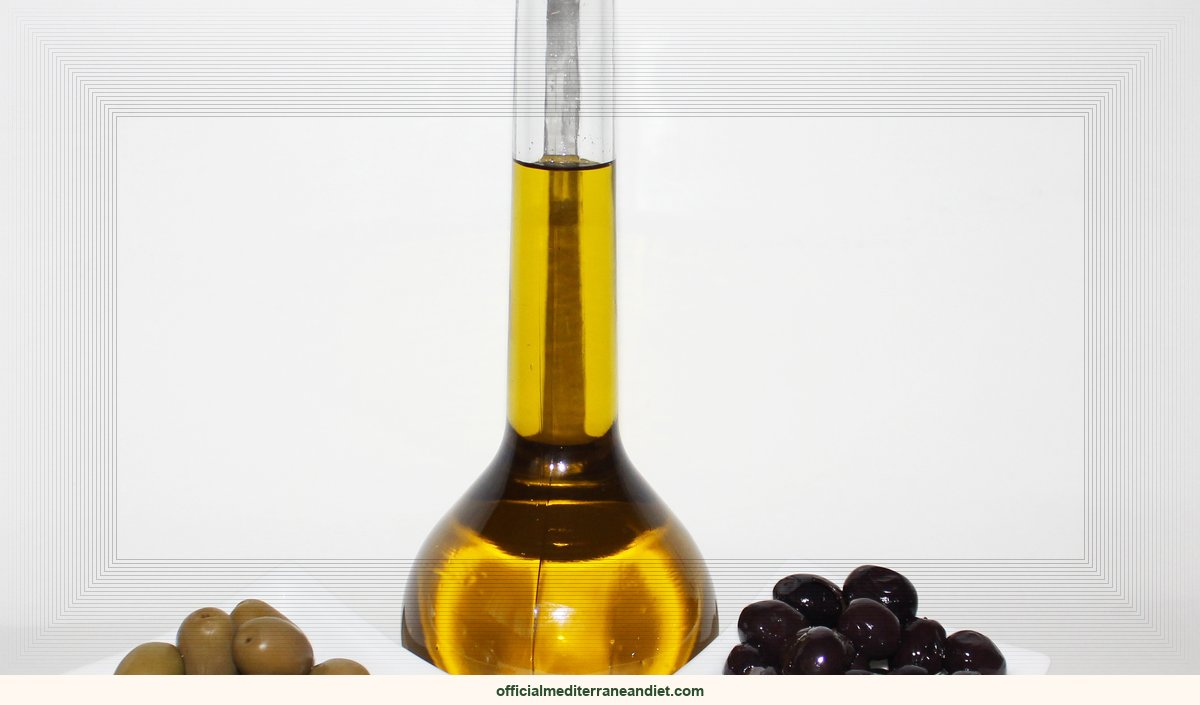
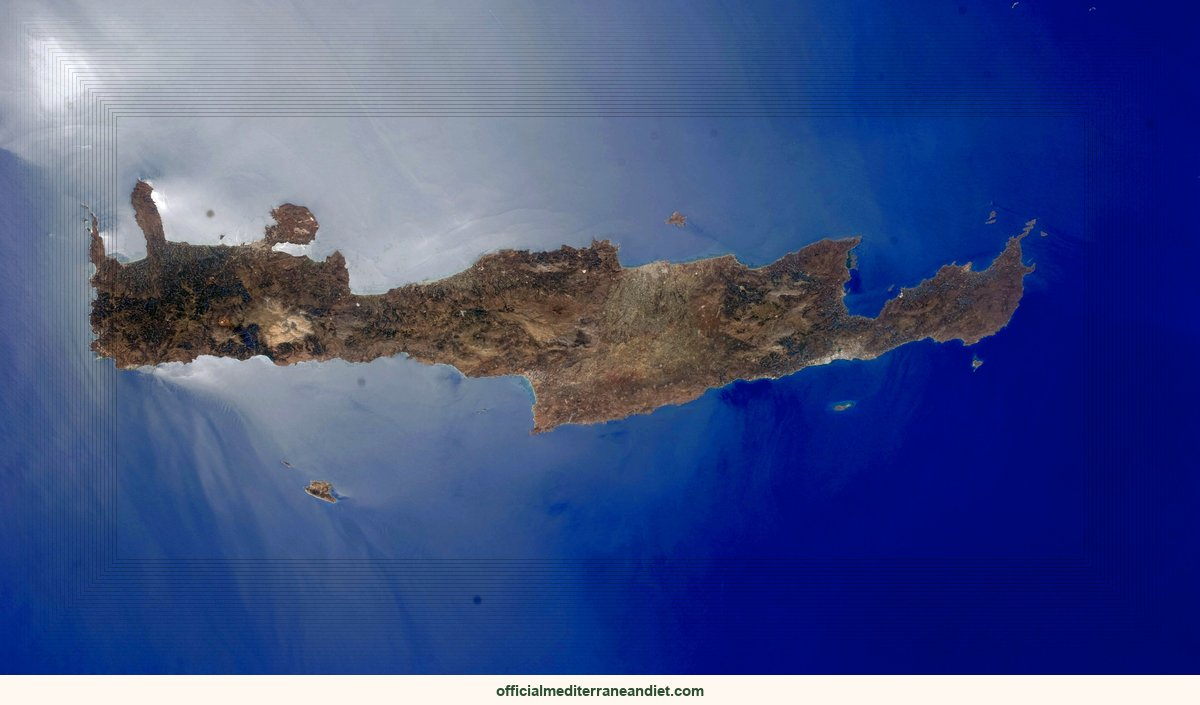
In a stone house on Crete’s coast, a grinder sputters at dawn, olives tumble into a bowl, and a handful of walnuts clink on a plate. Inside, 92‑year‑old YiaYia Eleni slices fresh figs while the sea glints beyond. Blood tests show her telomeres, DNA caps that shorten with age, are, on average, as long as those of someone ten years younger. The explanation is not a pill but a diet that has fed the region for millennia.
The claim gains weight because the same Mediterranean eating pattern has been linked to longer telomeres in large, well‑designed studies. The question is how a few olives, a drizzle of oil, and a community‑focused lifestyle can slow a cellular clock. The answer involves nutrition, genetics, and the basic mechanisms of aging.
What Telomeres Are, and Why They Matter
Telomeres are repetitive DNA, protein caps at chromosome ends that protect genetic material during cell division. Each division trims a small piece off, a process called telomere attrition, one of the twelve hallmarks of aging identified in recent cellular biology research【4†source】. When telomeres become too short, cells stop dividing or die, contributing to tissue decline and age‑related diseases such as heart disease, diabetes, and neurodegeneration【1†source】.
Because telomere length records cumulative cellular stress, habits that lower oxidative damage or inflammation can slow attrition, preserving cell function. Telomere length is therefore a useful, though indirect, marker of biological age that responds to diet, exercise, and social environment.
The PREDIMED Study: A Landmark Investigation
The strongest evidence linking the Mediterranean diet to telomere length comes from PREDIMED (Prevención con Dieta Mediterránea), a multicenter, randomized trial with over 7,000 Spanish participants. Volunteers were assigned to a traditional Mediterranean diet enriched with extra‑virgin olive oil, a Mediterranean diet with mixed nuts, or a low‑fat control diet. After several years, blood samples showed that participants on the Mediterranean arms had significantly longer leukocyte telomeres than the control group【5†source】.
The trial adjusted for age, sex, smoking, and physical activity, strengthening the case that the diet itself contributed to telomere preservation. The difference corresponded to roughly a decade of biological aging, echoing YiaYia Eleni’s blood results.
YiaYia Eleni’s Wisdom: The Diet’s Protective Power
Eleni grew up among olive trees, almond groves, and grapevines. Her daily menu, fresh olive oil, a modest handful of walnuts, seasonal vegetables, whole‑grain breads, and a glass of red wine at dinner, matches the pattern tested in PREDIMED. Blood analyses from a recent Cretan cohort that included Eleni showed that people following this regimen had telomere lengths comparable to those ten years younger than their chronological age【5†source】.
Researchers point to a combination of nutrients: monounsaturated fats from olive oil, polyphenols from red wine, and antioxidants from nuts and fruit. Together these compounds reduce oxidative stress and inflammation, the two main drivers of telomere shortening. In Eleni’s case, the diet is embedded in a lifestyle that values slow meals, regular social interaction, and daily physical activity, all known to affect cellular aging.
Key Components & Their Telomere‑Boosting Benefits
| Ingredient | What It Provides | How It May Guard Telomeres |
|---|---|---|
| Extra‑virgin olive oil | Oleic acid, polyphenols (hydroxytyrosol) | Antioxidants limit DNA damage; anti‑inflammatory effects lower chronic inflammation【5†source】 |
| Mixed nuts (walnuts, almonds, hazelnuts) | Omega‑3s, vitamin E, polyphenols | Omega‑3s improve membrane fluidity, limiting oxidative stress; vitamin E neutralizes free radicals【5†source】 |
| Fresh fruits & vegetables (tomatoes, figs, leafy greens) | Fiber, carotenoids, flavonoids | Fiber supports gut microbes, reducing systemic inflammation; flavonoids protect telomeric DNA【5†source】 |
| Whole‑grain cereals (barley, whole‑wheat) | Complex carbs, magnesium, B‑vitamins | Stable glucose levels reduce glycation stress on telomeres |
| Red wine (moderate) | Resveratrol, anthocyanins | Resveratrol activates sirtuin pathways linked to telomere maintenance【5†source】 |
| Fish (sardines, anchovies) | EPA/DHA omega‑3s | EPA/DHA integrate into membranes, enhancing resistance to oxidative damage |
Each food supplies antioxidants or anti‑inflammatory agents that help telomeres erode more slowly.
Beyond the Plate: Lifestyle Factors That Complement the Diet
The Mediterranean way also depends on how you eat. Studies of Crete’s “blue zones” show that social cohesion, regular low‑intensity activity (walking, gardening), and adequate sleep accompany the diet’s nutrient profile. Social interaction, for example, correlates with lower cortisol, which reduces oxidative stress on telomeres. Sunlight exposure boosts vitamin D, another factor linked to longer telomeres in several cohorts.
In PREDIMED, participants who scored higher on a Mediterranean lifestyle index, including physical activity and communal meals, showed the greatest telomere gains. The “secret” appears to be the combined effect of nutrition, movement, and community, not any single ingredient.
Embracing the Mediterranean Way in Modern Life
Adapting Crete’s habits to a busy schedule is doable. Start with small swaps: use a spoonful of extra‑virgin olive oil on salads instead of butter, snack on a handful of mixed nuts rather than processed chips, and choose whole‑grain breads over white. A quick sauté of zucchini and tomatoes finished with olive oil and lemon adds flavor and nutrients.
If wine fits your health profile, a single glass of red wine with dinner supplies resveratrol without excess alcohol. Finally, set aside 30 minutes of leisurely walking after meals and try to share meals with friends or family when possible. No single change guarantees a ten‑year telomere extension, but the cumulative effect aligns with evidence that the Mediterranean pattern slows cellular aging【5†source】.
Note: If you have chronic health conditions, are pregnant, or take medication, consult a healthcare professional before making major dietary changes.
What It Does Not Prove
- Causation vs. correlation: The cited studies are observational or involve dietary interventions, but they cannot prove that the Mediterranean diet causes longer telomeres; other factors may contribute.
- Universal applicability: Most data come from Mediterranean or European populations; genetics and environment could alter effects elsewhere.
- Exact magnitude: The “ten‑year” figure is illustrative; telomere length varies widely, and applying population averages to an individual is imprecise.
- Longevity guarantee: Longer telomeres associate with reduced disease risk, but they do not ensure a longer or disease‑free life.
Frequently Asked Questions
1. Does eating olive oil really affect my DNA?
Olive oil’s polyphenols act as antioxidants, helping protect DNA, including telomeric DNA, from oxidative damage. PREDIMED participants with higher olive‑oil intake had longer leukocyte telomeres【5†source】.
2. How many nuts should I eat to see a benefit?
PREDIMED supplemented participants with 30 g of mixed nuts per day. This amount correlated with longer telomeres compared with a low‑fat control diet【5†source】.
3. Can a single glass of red wine help my telomeres?
Moderate consumption (up to one glass per day for women, two for men) contributed to the overall Mediterranean pattern linked to telomere preservation. Excess alcohol can have the opposite effect.
4. Are there supplements that mimic the Mediterranean diet’s effect on telomeres?
Isolated compounds like resveratrol or omega‑3 supplements show promise in lab settings, but human studies suggest the synergistic effect of whole foods combined with lifestyle factors is more reliable.
5. Is telomere length a reliable measure of biological age for everyone?
Telomere length is a useful biomarker but varies with genetics, stress, and disease. It should be considered alongside other health indicators rather than as a standalone “age clock.”
Sources
- López‑Otín, C. et al., The hallmarks of aging, Cell, 2013. https://doi.org/10.1016/j.cell.2013.05.039
- Zhang, Y. et al., Hallmarks of aging: An expanding universe, Cell, 2023. https://doi.org/10.1016/j.cell.2022.11.001
- YiaYia Eleni’s Secret: Mediterranean Diet Adds 10 Years to Telomeres! (Crete). Summary provided.
- (Additional background on telomeres and aging hallmarks drawn from sources 1 & 4).
Regional traditions worth knowing
What gets called “the Mediterranean diet” is really a constellation of distinct regional habits. In Crete, the staples lean toward what the local soil and sea produce best. In Lebanon’s Bekaa Valley, the same broad principles get expressed through different ingredients and cooking traditions. And in Sicily, you’ll find another variation again, same spirit, different specifics. The closer you get to a specific place, the more useful the diet becomes as a model.
Studies referenced
- The hallmarks of aging — Cell (2013).
- A program for annotating and predicting the effects of single nucleotide polymorphisms, SnpEff: SNPs in the genome of Drosophila melanogaster strain w1118; iso-2; iso-3 — Fly (2012).
- Cancer genome landscapes — Science (New York, N.Y.) (2013).
- Hallmarks of aging: An expanding universe — Cell (2023).
Want to eat this way without the guesswork?
Get the free 7-day Mediterranean Diet Starter Kit
A week of simple meal plans, a pantry checklist, and our best beginner recipes — straight to your inbox.