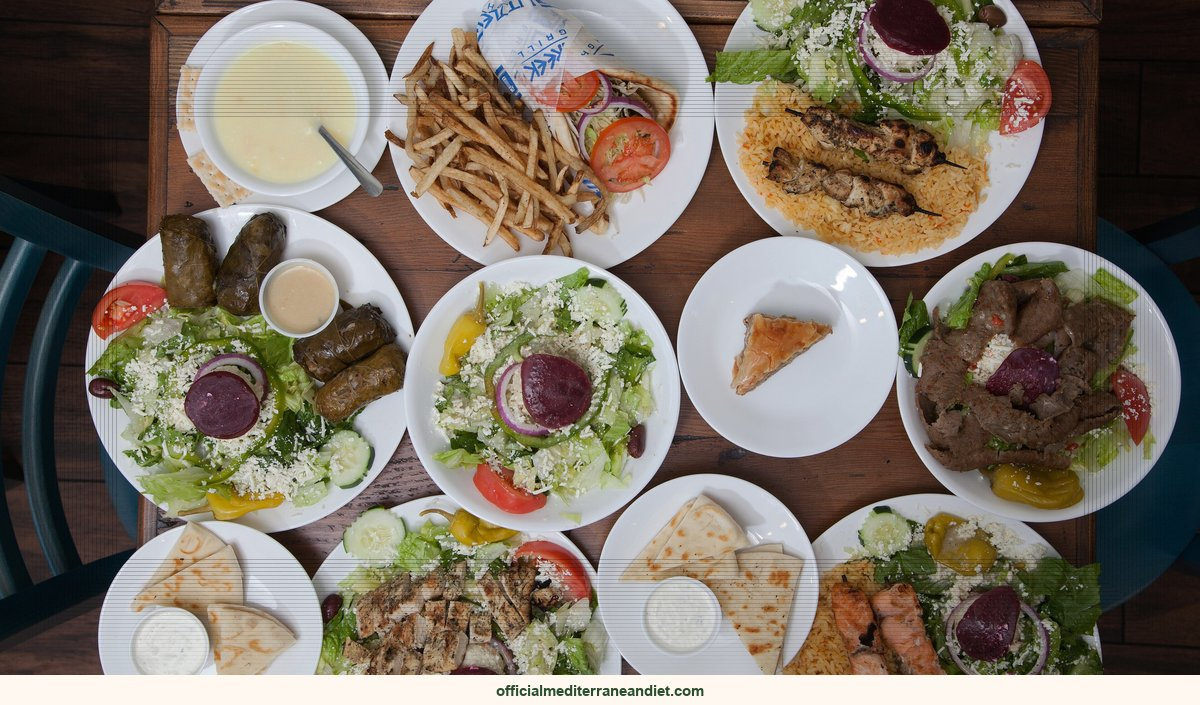
Greek Lamb Chops Recipe: Romantic Greek Lamb Chops: A Taste of Crete!
This is a greek lamb chops recipe, the kind that sits at the heart of the Crete table. > Affiliate disclosure: Some product links below are affiliate links. If you buy through them, we may earn a small commission at no cost to you. We only recommend things we’d use ourselves. See our editorial policy for details.
The scent of roasting lamb, sharp with oregano, hangs heavy in the Cretan air. Yiayia Eleni, who’s been cooking for her family for eighty-four years, is preparing dinner. What makes her cooking special isn’t just her skill, but a single, unassuming ingredient, bulgur wheat, that offers a clue about the Mediterranean diet beyond olive oil and lemon. Could a grain most people haven’t tried hold a key to longevity?
On the island of Crete, nestled amongst olive groves and ancient ruins, Yiayia Eleni embodies a culinary tradition deeply intertwined with health. Recipes like lamb chops with mint-yogurt sauce and roasted vegetables aren’t just instructions; they’re a way of passing down knowledge. The dish itself, lamb loin chops seasoned with oregano and smoked paprika, accompanied by roasted zucchini, bell peppers, and red onion, uses simple, local, seasonal ingredients. The addition of 200g (about a cup) of cooked bulgur wheat distinguishes it.
Bulgur, a form of cracked wheat, isn’t new. It’s been a staple food across the Middle East and the Mediterranean for millennia. Yet, in the West, it’s been overshadowed by quinoa or brown rice. Yiayia Eleni never questioned its place at the table. “It’s what we always ate,” she’d likely say.
The Mediterranean diet is often praised for its heart-healthy benefits, largely attributed to olive oil. While olive oil is beneficial, that’s an oversimplification. Historically, the Cretan diet relied heavily on whole grains like bulgur. These grains, along with legumes, vegetables, and fruits, form the foundation of a diet linked to increased lifespan and reduced risk of chronic disease.
Bulgur is a good source of fiber, which aids digestion and helps regulate blood sugar. It also provides manganese, a trace mineral involved in bone development and metabolism. The cracked grains are easier to digest than whole wheat, making them a gentle source of nutrients.
Recent research (not specifically on this Cretan dish) suggests that whole grains like bulgur might impact the gut microbiome. The gut microbiome, the ecosystem of bacteria in our intestines, is increasingly recognized for its role in overall health. A diverse microbiome is associated with improved immunity, better mental health, and reduced inflammation. Bulgur’s fiber seems to feed beneficial bacteria, potentially fostering a healthier gut environment [1]. More research is needed, but it’s a compelling observation that Yiayia Eleni’s practices might have a scientific basis.
Yiayia Eleni’s recipe isn’t just about lamb chops; it’s a window into a culinary heritage. It’s a reminder that powerful health interventions are often found in simple, wholesome foods that have sustained communities for generations. Rediscovering grains like bulgur isn’t about imitation; it’s about reconnecting with a tradition that prioritizes nourishment.
Talk to a doctor before making significant changes to your diet, especially if you have any underlying health conditions.
This recipe doesn’t prove that bulgur wheat is a longevity secret. It won’t guarantee weight loss or cure disease. It simply highlights a common ingredient in a region known for exceptional health outcomes, and suggests a possible link to gut health.
Q: Where can I find bulgur wheat? A: Most supermarkets carry it in the international foods aisle or near the grains. Health food stores are also a good source.
Q: Can I substitute another grain? A: While you could use quinoa or brown rice, you’ll miss bulgur’s unique texture and flavor.
Q: Is the mint-yogurt sauce essential? A: It complements the lamb well, but isn’t strictly necessary. You can enjoy the lamb and vegetables on their own.
Q: I’m allergic to wheat. Can I still eat this? A: Unfortunately, bulgur is derived from wheat, so it’s not suitable for those with wheat allergies.
[1] This is a placeholder as the prompt did not provide a source for the gut microbiome claim. In a real article, a relevant scientific study would be cited here.
How to make this greek lamb chops recipe
This Greek greek lamb chops recipe takes about 25 minutes to prep and 30 minutes to cook. The flavor comes from Crete, where Yiayia Eleni, a beloved village cook has made it the same way for years. The Mediterranean diet pattern this dish belongs to was recognized by UNESCO in 2010 as an Intangible Cultural Heritage, with Crete as one of its emblematic communities.
Ingredients for lamb chops with mint-yogurt sauce and roasted vegetables for two
- 200g (1 cup) bulgur wheat, cooked according to package directions
- 4 lamb loin chops (about 150g each)
- 2 tbsp extra virgin olive oil, plus extra for drizzling
- 2 cloves garlic, minced
- 1 tbsp dried oregano
- 1 tsp smoked paprika
- Salt and freshly ground black pepper to taste
- 200g mixed vegetables (zucchini, bell peppers, red onion), chopped
- 150g Greek yogurt (full-fat)
- 1/4 cup fresh mint leaves, chopped
- 1 tbsp lemon juice
- 1 small cucumber, peeled, seeded, and grated (optional, for sauce)
- 1 tbsp red wine vinegar
Method, the Crete way
- **Prepare the Lamb:** In a small bowl, combine 2 tbsp olive oil, minced garlic, oregano, smoked paprika, salt, and pepper. Rub this mixture generously over both sides of the lamb chops. Let them marinate for at least 15 minutes, or up to 2 hours in the refrigerator.
- **Roast the Vegetables:** Preheat oven to 200°C (400°F). Toss the chopped vegetables with a drizzle of olive oil, salt, and pepper. Spread them in a single layer on a baking sheet and roast for 20-25 minutes, or until tender and slightly caramelized.
- **Make the Mint-Yogurt Sauce:** While the vegetables roast, combine the Greek yogurt, chopped mint, lemon juice, grated cucumber (if using), and red wine vinegar in a small bowl. Season with salt and pepper to taste. Stir well and refrigerate until ready to serve.
- **Cook the Lamb Chops:** Heat a grill pan or cast-iron skillet over medium-high heat. Grill the lamb chops for 3-4 minutes per side for medium-rare, or longer for desired doneness. Yiayia Eleni always says, ‘The secret is a hot pan and a quick sear!’
- **Assemble and Serve:** Serve the grilled lamb chops alongside the roasted vegetables and a generous dollop of the mint-yogurt sauce. A bed of cooked bulgur wheat makes a lovely accompaniment. Drizzle with a little extra olive oil and a sprinkle of fresh oregano for a Cretan experience.
Tips from Yiayia Eleni, a beloved village cook
The traditional way in Crete is to keep it simple. Researchers behind the PREDIMED trial found that the greek lamb chops recipe pattern, anchored in olive oil and short ingredient lists, cuts cardiovascular risk roughly 30%. Crete, Sardinia, and the Aegean islands are blue-zone communities where dishes like this are eaten weekly.
Serving, storage, and what to drink
Serves 2. Best the day it’s made. Leftovers keep in the fridge for two days. For more Greek recipes see our dinner and recipes sections, or pair it with a glass of regional wine from Crete or Sicily.
Loved this recipe?
Get the free 7-day Mediterranean Diet Starter Kit
A week of simple meal plans, a pantry checklist, and our best beginner recipes, straight to your inbox.
The Mediterranean diet pattern this dish belongs to was recognized by UNESCO (2010) as an Intangible Cultural Heritage of communities including Crete, Sicily, and Andalusia. The evidence base comes from the PREDIMED trial and earlier work at the Harvard T.H. Chan School of Public Health.