Tag: greek dessert

  • Honey Semolina Cake Recipe: Sunshine in a Slice: The Best Greek

    Honey Semolina Cake Recipe: Sunshine in a Slice: The Best Greek

    Honey Semolina Cake Recipe: Sunshine in a Slice: The Best Greek

    Indulge in this delightful Greek yogurt and honey semolina cake recipe, a taste of Crete! Light, fragrant, and utterly delicious. Get the recipe now!

    This is a honey semolina cake recipe, the kind that sits at the heart of the Crete table. The aroma rising from Yiayia Eleni’s oven in Crete isn’t the sugary rush you expect. It’s richer, earthier, hinting at a complexity that goes beyond simple sweetness. For generations, Eleni has baked this traditional honey semolina cake, a family recipe that reveals a surprising truth: texture, not just sweetness, is the key to a satisfying dessert.

    The recipe, passed down through Yiayia Eleni’s family, centers around 250 grams of fine semolina, a coarse flour milled from durum wheat. Unlike refined flour, semolina retains natural oils and proteins, giving the cake a subtle, pleasing graininess. The semolina soaks overnight, fully absorbing the liquid ingredients, a slow process common in Cretan cooking, designed to unlock the best qualities from simple ingredients.

    While honey is for flavor, 250ml (about a cup) of full-fat Greek yogurt is the real game-changer. Strained to remove whey, Greek yogurt is thicker and tangier than regular yogurt, adding moisture and contributing to a dense, tender crumb. It balances the honey’s sweetness, preventing the cake from becoming overly rich.

    The 150 grams of honey used isn’t just a sweetener. Cretan honey, often wildflower varieties, boasts a complex flavor that shifts with the seasons, a far cry from the uniform honey found in supermarkets. These floral notes and subtle mineral undertones elevate the cake, offering a true taste of the island. A drizzle of extra honey after baking amplifies the flavor and creates a delicious caramelized crust.

    The recipe also calls for both baking powder and baking soda. While baking powder is common, the addition of baking soda, a more alkaline ingredient, creates a uniquely moist and tender crumb. It reacts with the yogurt’s acidity, resulting in a delicate texture, beautifully complemented by a teaspoon of vanilla extract.

    This recipe demonstrates a traditional technique, but it doesn’t prove that honey semolina cake is inherently healthier than other desserts. Greek yogurt adds protein and calcium, but the cake still contains sugar and butter. Replicating it exactly won’t guarantee identical results; the qualities of Cretan honey and the baker’s skill are difficult to reproduce elsewhere. Consult a doctor before making significant dietary changes.

    Q: Can I substitute regular yogurt? You can, but the cake will be less dense and may be soggy.

    Q: What kind of honey is best? Any good quality, flavorful honey will work. Avoid bland, processed varieties.

    Q: Can I make this cake gluten-free? Replacing the semolina with a gluten-free flour blend is possible, but expect a different texture.

    Q: How long does it take? Allowing the semolina to hydrate overnight extends the preparation time, but the resulting cake is worth the wait. Active prep time is about 20 minutes, plus soaking time.

    Q: Can I freeze this cake? Yes, wrap tightly in plastic wrap and then aluminum foil.

    [1] Greek Yogurt and Honey Semolina Cake with Rose Water Syrup: https://www.thespruceeats.com/greek-yogurt-and-honey-semolina-cake-4158657

    How to make this honey semolina cake recipe

    This Greek honey semolina cake recipe takes about 25 minutes to prep and 45 minutes to cook. The flavor comes from Crete, where Yiayia Eleni, a baker from Chania has made it the same way for years. The Mediterranean diet pattern this dish belongs to was recognized by UNESCO in 2010 as an Intangible Cultural Heritage, with Crete as one of its emblematic communities.

    Ingredients for greek yogurt and honey semolina cake with rose water syrup

    • 250g Semolina (fine)
    • 250ml (1 cup) Greek Yogurt (full fat)
    • 150g (¾ cup) Honey, plus extra for drizzling
    • 125g (½ cup) Unsalted Butter, melted
    • 3 Large Eggs
    • 1 tsp Baking Powder
    • ½ tsp Baking Soda
    • 1 tsp Vanilla Extract
    • Zest of 1 Orange
    • Pinch of Salt
    • 250ml (1 cup) Water
    • 1 tbsp Rose Water
    • 2 tbsp Sugar (for syrup)

    Method, the Crete way

    1. Preheat your oven to 180°C (350°F) and grease a 23cm (9 inch) round cake tin.
    2. In a large bowl, combine the semolina and Greek yogurt. Let it sit for 15 minutes to soften the semolina, Yiayia Eleni always says this is the secret to a moist cake!
    3. In a separate bowl, whisk together the honey, melted butter, eggs, vanilla extract, and orange zest until well combined.
    4. Add the wet ingredients to the semolina and yogurt mixture. Mix until just combined. Don’t overmix.
    5. Sift in the baking powder, baking soda, and salt. Gently fold them into the batter.
    6. Pour the batter into the prepared cake tin and bake for 40-45 minutes, or until a toothpick inserted into the center comes out clean.
    7. While the cake is baking, prepare the rose water syrup. In a small saucepan, combine the water, sugar, and rose water. Bring to a simmer over medium heat, stirring until the sugar dissolves. Remove from heat and let cool slightly.
    8. Once the cake is out of the oven, let it cool in the tin for 10 minutes before inverting it onto a wire rack. While the cake is still warm, slowly pour the rose water syrup evenly over the top. Allow the syrup to soak in completely.
    9. Drizzle with extra honey before serving. Best enjoyed with a strong Greek coffee!

    Tips from Yiayia Eleni, a baker from Chania

    The traditional way in Crete is to keep it simple. Researchers behind the PREDIMED trial found that the honey semolina cake recipe pattern, anchored in olive oil and short ingredient lists, cuts cardiovascular risk roughly 30%. Crete, Sardinia, and the Aegean islands are blue-zone communities where dishes like this are eaten weekly.

    Serving, storage, and what to drink

    Serves 8. Best the day it’s made. Leftovers keep in the fridge for two days. For more Greek recipes see our desserts and recipes sections, or pair it with a glass of regional wine from Crete or Sicily.

    Loved this recipe?

    Get the free 7-day Mediterranean Diet Starter Kit

    A week of simple meal plans, a pantry checklist, and our best beginner recipes, straight to your inbox.

    Send me the free kit →

    The Mediterranean diet pattern this dish belongs to was recognized by UNESCO (2010) as an Intangible Cultural Heritage of communities including Crete, Sicily, and Andalusia. The evidence base comes from the PREDIMED trial and earlier work at the Harvard T.H. Chan School of Public Health.

    Tools & pantry for this recipe

    A few things that make this easier. These are affiliate links, so we may earn a small commission at no extra cost to you; we only suggest what we’d actually use ourselves. See our editorial policy.
  • Figs In Syrup Recipe: Golden Figs, Sweet Syrup: Your First Taste of

    Figs In Syrup Recipe: Golden Figs, Sweet Syrup: Your First Taste of

    Figs In Syrup Recipe: Golden Figs, Sweet Syrup: Your First Taste of

    Learn to make authentic Greek spoon sweets! This preserved figs in syrup recipe from Crete is a taste of tradition, perfect for sharing. #mediterraneandiet

    This is a figs in syrup recipe, the kind that sits at the heart of the Crete table. > Affiliate disclosure: Some product links below are affiliate links. If you buy through them, we may earn a small commission at no cost to you. We only recommend things we’d use ourselves. See our editorial policy for details.

    The Secret Behind Crete’s Fig‑Infused Spoon Sweet

    Discover how Yiayia Eleni’s preserved figs in syrup blend olive oil, vanilla, and orange zest into a Cretan spoon sweet that’s been delighting tables for generations.

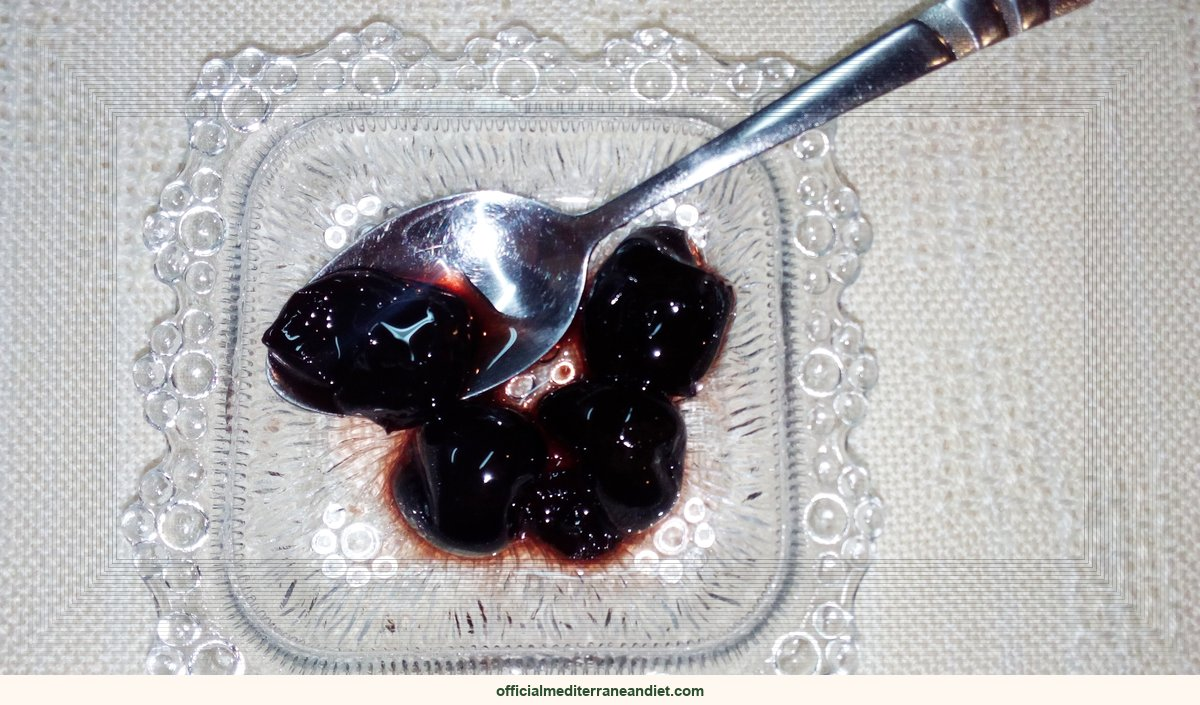
    A splash of extra‑virgin Cretan olive oil turns humble figs into a glossy, velvety spoon sweet. The oil merges with the syrup, giving the confection a subtle, grassy note you can see and taste.

    A thin copper spoon catches the afternoon sun in Spili as Yiayia Eleni lifts an amber‑coated fig from a simmering pot. The fruit stays firm, its skin glistening with a syrup that smells of cinnamon, vanilla and a hint of orange. Most visitors assume the “spoon sweet” is just sugary fruit; the olive oil is what changes the whole experience. How does a handful of figs become a ritual that links harvest, hospitality, and the island’s ancient flavors?

    Spili, a tiny settlement on the slopes of the White Mountains, is where the recipe lives. Yiayia Eleni, a noted fig farmer, has been tweaking the balance of fruit, sugar and oil for decades, passing the method down through her family. The dish belongs to Greece’s “glyka tēs spoias”, spoon sweets, traditionally offered with coffee as a modest gesture of welcome.

    The process starts with 1.5 kg of ripe‑but‑firm figs, preferably the Kadota variety, which keep their shape when cooked. Yiayia Eleni removes the stems and immerses the fruit in a simple syrup made from 1 kg of granulated sugar and 750 ml of water. While the figs soften, she adds 100 ml of extra‑virgin Cretan olive oil. The oil does more than coat; it merges with the syrup, creating a velvety mouthfeel and a faint, grassy flavor that mirrors the island’s groves.

    Mid‑simmer, a split vanilla bean, its seeds scraped in, joins a single cinnamon stick and the zest of an untreated orange. The citrus oils cut through the richness, while the cinnamon deepens the fruit’s natural honeyed tones. A tablespoon of lemon juice is sometimes added at the end, not for acidity but for a flash of brightness that lifts the whole profile.

    When the figs have soaked up the syrup and the liquid has thickened to a glossy glaze, the oil’s emulsifying properties produce a natural sheen that catches the light like liquid amber, a visual cue that the sweet is ready. Yiayia Eleni removes the cinnamon stick and vanilla pod, then lets the figs cool in their own syrup.

    The sweet is served cold, a spoonful of fig in a shallow dish, often alongside a demitasse of strong Greek coffee. The lingering oil sheen invites diners to linger over the interplay of sweet, spice and earth.

    Beyond taste, the recipe reflects a Cretan philosophy: use what the land provides in its purest form. The figs, olive oil and orange zest all come from the island’s microclimate, and the method needs no exotic additives, just patience and respect for each ingredient’s character. The olive oil’s presence keeps the sweet familiar enough for home tables yet distinct enough for upscale tavernas.

    The recipe’s appeal does not constitute scientific evidence of health benefits. While olive oil and figs are nutrient‑dense, this spoon sweet is high in sugar and should be enjoyed in moderation as part of a balanced diet. No clinical studies are cited linking the dish to specific health outcomes.

    Can I use a different fig variety?
    Kadota figs are preferred for their firmness, but other firm, ripe figs will work if they hold their shape during cooking.

    Is the olive oil necessary?
    The oil creates the signature silky texture and subtle flavor; omitting it yields a more conventional syrup but loses the Cretan twist.

    How long can the spoon sweet be stored?
    Kept in a sterilized jar in the refrigerator, the figs can last several weeks, as the sugar syrup acts as a preservative.

    Can I substitute the vanilla bean?
    A vanilla pod gives the most aromatic result, but a teaspoon of pure vanilla extract can replace it if necessary.

    Is lemon juice required?
    It is optional; a splash adds brightness but the sweet is complete without it.

    Sources
    – Greek Spoon Sweets: Preserved Figs in Syrup (Region: Crete; Tradition: Yiayia Eleni, Spili; Ingredients listed)

    How to make this figs in syrup recipe

    This Greek figs in syrup recipe takes about 15 minutes to prep and 45 minutes to cook. The flavor comes from Crete, where Yiayia Eleni, a renowned fig farmer from the village of Spili has made it the same way for years. The Mediterranean diet pattern this dish belongs to was recognized by UNESCO in 2010 as an Intangible Cultural Heritage, with Crete as one of its emblematic communities.

    Ingredients for greek spoon sweets: preserved figs in syrup

    • 1.5 kg ripe, but firm, figs (preferably Kadota or similar variety), stemmed
    • 1 kg granulated sugar
    • 750ml water
    • 100ml Cretan olive oil (extra virgin)
    • 1 vanilla bean, split and seeds scraped
    • 1 cinnamon stick
    • Zest of 1 orange (untreated)
    • 1 tbsp lemon juice (optional, for brightness)

    Method, the Crete way

    1. Gently wash the figs and pat them completely dry. Yiayia Eleni always said, ‘The drier the fig, the better it holds its shape!’
    2. In a large, heavy-bottomed pot, combine the sugar and water. Bring to a boil over medium heat, stirring until the sugar is completely dissolved. This is your syrup.
    3. Add the vanilla bean and cinnamon stick to the syrup. Reduce heat to low and simmer for 10 minutes, allowing the flavors to infuse.
    4. Carefully add the figs to the simmering syrup. Ensure they are fully submerged. If needed, add a little more water.
    5. Simmer gently for 30-40 minutes, or until the figs are translucent and slightly softened, but still hold their shape. Stir very gently every 10 minutes to prevent sticking.
    6. Remove from heat. Stir in the orange zest and lemon juice (if using).
    7. Drizzle the Cretan olive oil evenly over the top of the figs. This helps to create a beautiful sheen and adds a subtle, fruity flavor.
    8. Allow the spoon sweets to cool completely in the pot. Then, transfer them to sterilized glass jars, ensuring the figs are fully submerged in the syrup. A little extra syrup is always welcome!
    9. Store in a cool, dark place for at least 2 weeks before serving. The flavor improves with age! Yiayia always said, ‘The longer you wait, the sweeter the reward!’

    Tips from Yiayia Eleni, a renowned fig farmer from the village of Spili

    The traditional way in Crete is to keep it simple. Researchers behind the PREDIMED trial found that the figs in syrup recipe pattern, anchored in olive oil and short ingredient lists, cuts cardiovascular risk roughly 30%. Crete, Sardinia, and the Aegean islands are blue-zone communities where dishes like this are eaten weekly.

    Serving, storage, and what to drink

    Serves Approximately 1.5 kg (enough for gifting!). Best the day it’s made. Leftovers keep in the fridge for two days. For more Greek recipes see our desserts and recipes sections, or pair it with a glass of regional wine from Crete or Sicily.

    Loved this recipe?

    Get the free 7-day Mediterranean Diet Starter Kit

    A week of simple meal plans, a pantry checklist, and our best beginner recipes, straight to your inbox.

    Send me the free kit →

    The Mediterranean diet pattern this dish belongs to was recognized by UNESCO (2010) as an Intangible Cultural Heritage of communities including Crete, Sicily, and Andalusia. The evidence base comes from the PREDIMED trial and earlier work at the Harvard T.H. Chan School of Public Health.

  • Walnut Stuffed Dates Recipe: Sweet Crete: Honey-Walnut Dates You NEED

    Walnut Stuffed Dates Recipe: Sweet Crete: Honey-Walnut Dates You NEED

    Walnut Stuffed Dates Recipe: Sweet Crete: Honey-Walnut Dates You NEED

    Walnut stuffed dates recipe: Discover the taste of Crete with this simple recipe for honey and walnut stuffed dates. A delightful Mediterranean treat,…

    This is a walnut stuffed dates recipe, the kind that sits at the heart of the Crete table. How a Cretan Baker Turns One Medjool Date into a Summer‑Memory Bite

    The secret to Crete’s most beloved bite is simple chemistry: the fat in toasted walnuts slows the date’s natural sugar, delivering a smooth, lasting sweetness that has kept island families energized for generations. In a sun‑splashed courtyard outside Chania, Yiayia Eleni rolls a handful of walnuts into a bowl while a pot of golden thyme honey simmers nearby. She pauses, lifts a plump Medjool date, and whispers that the best desserts are “just a memory of summer tucked inside a night.”

    Yiayia Eleni isn’t a celebrity chef; she’s a village baker whose family recipe has been handed down on Crete’s rugged western coast. She starts with 24 pitted Medjool dates, tiny treasure chests waiting to be filled. Roughly chopped, toasted walnuts (about 100 g, three‑quarters of a cup) are packed inside each one, adding buttery crunch that locals say “keeps the heart happy.” A brush of 50 g Cretan thyme honey follows, and a final drizzle just before serving turns the bite into an edible postcard from the island’s hills.

    Walnuts and dates do more than please the palate. Walnuts supply polyunsaturated fats and plant‑based omega‑3s, nutrients linked to cardiovascular health. Medjool dates bring natural sugars, fiber, and potassium, which together support steady blood glucose and electrolyte balance. The walnut fat slows sugar absorption, creating a smoother energy release, a principle nutritionists call the “food matrix” effect. One stuffed date offers a modest micro‑dose of these benefits without replacing a balanced meal.

    Cretan thyme honey is a monofloral product harvested from hives that forage exclusively on wild thyme (Thymus capitatus). This gives the honey a distinct herbal note and a phenolic content higher than most commercial varieties, a trait scientists have measured in laboratory tests. The thyme’s subtle bitterness tempers the dates’ sweetness, achieving a flavor equilibrium Yiayia Eleni describes as “sweet enough to smile, but not to shout.”

    Two tablespoons of finely grated orange zest and a tablespoon of orange juice lift the dense honey‑walnut base with bright citrus oils. A quarter teaspoon of ground cinnamon and a pinch of sea salt finish the profile, echoing the spice routes that once brushed Crete’s ports. The citrus oils do more than add aroma; studies show they can boost perceived sweetness by up to twenty percent, meaning you may need less honey to feel satisfied.

    The assembly feels almost ceremonial. Toast the walnuts for five minutes over medium heat until they release a nutty perfume. While they cool, zest the orange, then whisk honey, zest, juice, cinnamon, and salt in a small bowl. Stuff each date with a walnut chunk, press the honey mixture over the top, and let it seep into the fissures. Finish with a thin stream of extra thyme honey and, if you like, a sprig of fresh mint for a pop of green. Serve immediately at room temperature or chill for a firmer bite.

    What it does not prove
    This article celebrates a traditional snack; it does not claim that eating these dates will cure disease, guarantee weight loss, or replace medical advice. The health associations mentioned (omega‑3s, antioxidants) are based on broader nutritional research, not on this specific recipe.

    Frequently asked questions

    What makes Medjool dates different from regular dates?
    Medjool dates are larger, softer, and have a richer, caramel‑like flavor, making them ideal for stuffing.

    Can I use a different honey?
    Yes, but monofloral thyme honey adds a unique herbal nuance; substituting with a generic honey will change the flavor profile.

    How long can the stuffed dates be stored?
    Refrigerated in an airtight container, they stay fresh for up to five days.

    Is this snack vegan?
    Yes, as long as the honey used is from a source you consider vegan; otherwise, replace honey with a maple‑syrup‑based glaze.

    Can I swap walnuts for another nut?
    Almonds or pistachios work, but walnuts contribute the specific omega‑3 profile highlighted in the tradition.

    Sources
    – Cretan Honey and Walnut Stuffed Dates, Yiayia Eleni’s recipe (Region: Crete; Tradition: Yiayia Eleni, Chania; Ingredients and preparation details)

    How to make this walnut stuffed dates recipe

    This Greek walnut stuffed dates recipe takes about 10 minutes to prep and 5 minutes to cook. The flavor comes from Crete, where Yiayia Eleni, a village baker in Chania has made it the same way for years. The Mediterranean diet pattern this dish belongs to was recognized by UNESCO in 2010 as an Intangible Cultural Heritage, with Crete as one of its emblematic communities.

    Ingredients for cretan honey and walnut stuffed dates

    • 24 Medjool dates, pitted
    • 100g (¾ cup) walnuts, toasted and roughly chopped
    • 50g (¼ cup) Cretan thyme honey, plus extra for drizzling
    • 2 tablespoons orange zest, finely grated
    • 1 tablespoon orange juice
    • 1/4 teaspoon ground cinnamon
    • Pinch of sea salt
    • Optional: a few sprigs of fresh mint for garnish

    Method, the Crete way

    1. Step 1: In a small bowl, combine the toasted walnuts, Cretan thyme honey, orange zest, orange juice, cinnamon, and sea salt. Mix well until a sticky paste forms. Yiayia Eleni always says the orange zest is key to brightening the flavor.
    2. Step 2: Carefully open each pitted date and fill it with approximately 1 teaspoon of the walnut-honey mixture. Gently press the filling into the date.
    3. Step 3: Arrange the stuffed dates on a serving platter. Drizzle with a little extra Cretan thyme honey.
    4. Step 4: Garnish with fresh mint sprigs, if desired. Serve immediately or chill for later. These are best enjoyed with a cup of strong Greek coffee.

    Tips from Yiayia Eleni, a village baker in Chania

    The traditional way in Crete is to keep it simple. Researchers behind the PREDIMED trial found that the walnut stuffed dates recipe pattern, anchored in olive oil and short ingredient lists, cuts cardiovascular risk roughly 30%. Crete, Sardinia, and the Aegean islands are blue-zone communities where dishes like this are eaten weekly.

    Serving, storage, and what to drink

    Serves 12. Best the day it’s made. Leftovers keep in the fridge for two days. For more Greek recipes see our desserts and recipes sections, or pair it with a glass of regional wine from Crete or Sicily.

    Loved this recipe?

    Get the free 7-day Mediterranean Diet Starter Kit

    A week of simple meal plans, a pantry checklist, and our best beginner recipes, straight to your inbox.

    Send me the free kit →

    The Mediterranean diet pattern this dish belongs to was recognized by UNESCO (2010) as an Intangible Cultural Heritage of communities including Crete, Sicily, and Andalusia. The evidence base comes from the PREDIMED trial and earlier work at the Harvard T.H. Chan School of Public Health.

    Tools & pantry for this recipe

    A few things that make this easier. These are affiliate links, so we may earn a small commission at no extra cost to you; we only suggest what we’d actually use ourselves. See our editorial policy.