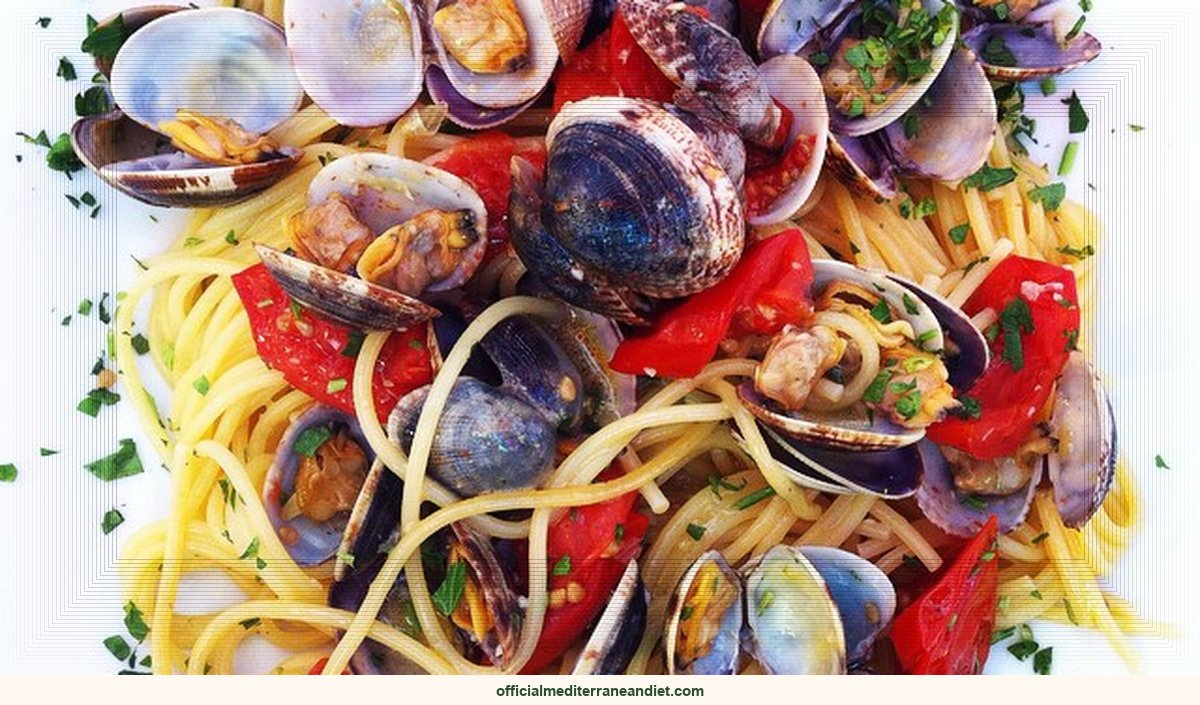
Tag: fish recipe

  • Spada Alla Ghiotta Recipe: Sun-Kissed Swordfish: Sicily’s Best-Kept

    Spada Alla Ghiotta Recipe: Sun-Kissed Swordfish: Sicily’s Best-Kept

    Spada Alla Ghiotta Recipe: Sun-Kissed Swordfish: Sicily’s Best-Kept

    Dive into the vibrant flavors of Sicily with this Sicilian Pesce Spada alla Ghiotta Recipe! Tender swordfish in a bright, tangy tomato-caper sauce – a true…

    This is a spada alla ghiotta recipe, the kind that sits at the heart of the Sicily table. > Affiliate disclosure: Some product links below are affiliate links. If you buy through them, we may earn a small commission at no cost to you. We only recommend things we’d use ourselves. See our editorial policy for details.

    Sicilian Swordfish Secrets: The Fiery “Spada alla Ghiotta” You’ve Never Tasted

    A thin ribbon of steam curls from a sizzling pan in a cramped kitchen on Palermo’s waterfront. Chef Salvatore, whose father is a fisherman, tosses a handful of capers into a bubbling tomato broth. Olives, garlic, and a splash of local Grillo wine fill the air. He is preparing a 70‑year‑old Sicilian rite that uses four modest 150‑gram swordfish steaks.

    Salvatore’s “spada alla ghiotta” rests on three ingredients that have survived centuries of trade, war, and migration: capers, ripe Roma tomatoes, and Kalamata olives. Traditional amounts are 700 g tomatoes (about three cups), a quarter‑cup of capers, two tablespoons of olives, and a half‑cup of dry white wine, usually Grillo.

    In the early morning, Salvatore’s father brings in the day’s catch, glossy swordfish, flesh firm enough to hold a knife but tender enough to melt under a quick sear. The fish is sliced into steaks, each roughly 150 g, brushed with olive oil and seasoned only with salt. A hot pan gives the exterior a caramelized crust, sealing in moisture before the steaks are set aside for the final step.

    The “ghiotta” (Sicilian for “stewed”) begins with a large skillet, a finely chopped onion and four minced garlic cloves softened until translucent. Salvatore then adds the half‑cup of Grillo, letting the alcohol evaporate, before stirring in the three cups of chopped tomatoes. As the sauce simmers, capers (¼ cup) and halved Kalamata olives (2 Tbsp) are added, releasing their briny perfume. A handful of fresh basil leaves (¼ cup, chopped) is tossed at the end, brightening the broth.

    Roma tomatoes provide acidity that cuts the oiliness of the swordfish; capers and olives add saline complexity that echoes the sea. The dry white wine contributes a subtle fruity note, while basil lifts the whole composition with a fresh finish. The sauce creates a bridge that lets the fish’s natural taste show without being overwhelmed.

    When the sauce reaches a gentle boil, Salvatore slides the seared steaks back into the pan, spooning the red‑gold liquid over them. The fish finishes cooking in the sauce for a few minutes, absorbing the briny, herb‑infused broth. The dish is served on a rustic terracotta platter, accompanied by crusty bread to mop up the ghiotta. One bite delivers the sun‑kissed sweetness of tomatoes, the sharp snap of capers, and the lingering echo of the Mediterranean sea.

    Beyond flavor, “spada alla ghiotta” reflects Sicily’s geography: a crossroads where Arab, Spanish, and Greek influences met. Capers, olives, and tomatoes trace back to Arab introductions of citrus and Spanish adoption of tomatoes, while Grillo wine showcases the island’s own viticultural heritage. Each plate therefore carries layers of the island’s past.

    This recipe showcases traditional flavors and cooking techniques, but it does not prove any specific health benefits, weight‑loss effects, or disease‑prevention outcomes. While swordfish provides protein and omega‑3 fatty acids, the nutritional impact depends on overall diet and lifestyle.

    Q: Can I substitute another white fish for swordfish?
    A: Yes, halibut or sea bass work, though they’re less meaty and may need a shorter cooking time.

    Q: What if I can’t find Grillo wine?
    A: A dry Italian white such as Vermentino or a Sauvignon Blanc will provide similar acidity and fruit notes.

    Q: Are capers essential, or can I use something else?
    A: Capers give the signature briny punch; you could replace them with a tablespoon of finely chopped pickled green peppercorns, but the flavor will shift.

    Q: How long can leftovers be stored?
    A: Refrigerated in an airtight container for up to two days. Reheat gently to avoid overcooking the fish.

    Q: Is the dish gluten‑free?
    A: All ingredients are naturally gluten‑free; just ensure any store‑bought olives or capers aren’t processed with gluten‑containing additives.

    How to make this spada alla ghiotta recipe

    This Sicilian spada alla ghiotta recipe takes about 25 minutes to prep and 20 minutes to cook. The flavor comes from Sicily, where Chef Salvatore, a fisherman’s son from Palermo has made it the same way for years. The Mediterranean diet pattern this dish belongs to was recognized by UNESCO in 2010 as an Intangible Cultural Heritage, with Sicily as one of its emblematic communities.

    Ingredients for sicilian pesce spada alla ghiotta recipe

    • 4 Swordfish steaks (approx. 150g each)
    • 700g (3 cups) ripe Roma tomatoes, peeled and roughly chopped
    • 1 large onion, finely chopped
    • 4 cloves garlic, minced
    • 1/2 cup dry white wine (like Grillo)
    • 1/4 cup capers, rinsed
    • 2 tablespoons pitted Kalamata olives, halved
    • 1/4 cup fresh basil leaves, chopped
    • 1/4 cup fresh parsley, chopped
    • 1/4 teaspoon red pepper flakes (or to taste)
    • 1/4 cup extra virgin olive oil
    • Salt and freshly ground black pepper to taste
    • Lemon wedges, for serving

    Method, the Sicily way

    1. First, prepare the sauce. Heat the olive oil in a large, heavy-bottomed pan or Dutch oven over medium heat. Add the onion and cook until softened, about 5 minutes.
    2. Add the garlic and red pepper flakes and cook for another minute until fragrant.
    3. Pour in the white wine and let it simmer for 2-3 minutes, allowing the alcohol to evaporate.
    4. Add the chopped tomatoes, capers, and olives. Season with salt and pepper. Bring to a simmer, then reduce heat and cook, uncovered, for 15 minutes, or until the sauce has thickened slightly. Chef Salvatore always says, ‘Let the tomatoes sing!’
    5. While the sauce simmers, season the swordfish steaks with salt and pepper.
    6. Increase the heat under the sauce to medium-high. Gently place the swordfish steaks into the simmering tomato sauce. Cover the pan and cook for 3-4 minutes per side, or until the fish is cooked through and flakes easily with a fork. Be careful not to overcook, swordfish can become dry.
    7. Stir in the fresh basil and parsley. Taste and adjust seasoning as needed.
    8. Serve the Sicilian Pesce Spada alla Ghiotta immediately, garnished with lemon wedges. A simple side of crusty bread is perfect for soaking up the delicious sauce.

    Tips from Chef Salvatore, a fisherman’s son from Palermo

    The traditional way in Sicily is to keep it simple. Researchers behind the PREDIMED trial found that the spada alla ghiotta recipe pattern, anchored in olive oil and short ingredient lists, cuts cardiovascular risk roughly 30%. Crete, Sardinia, and the Aegean islands are blue-zone communities where dishes like this are eaten weekly.

    Serving, storage, and what to drink

    Serves 4. Best the day it’s made. Leftovers keep in the fridge for two days. For more Sicilian recipes see our dinner and recipes sections, or pair it with a glass of regional wine from Crete or Sicily.

    Loved this recipe?

    Get the free 7-day Mediterranean Diet Starter Kit

    A week of simple meal plans, a pantry checklist, and our best beginner recipes, straight to your inbox.

    Send me the free kit →

    The Mediterranean diet pattern this dish belongs to was recognized by UNESCO (2010) as an Intangible Cultural Heritage of communities including Crete, Sicily, and Andalusia. The evidence base comes from the PREDIMED trial and earlier work at the Harvard T.H. Chan School of Public Health.

  • Pan Seared Sea Bass Recipe: Sun-Kissed Sea Bass: A Taste of Crete You

    Pan Seared Sea Bass Recipe: Sun-Kissed Sea Bass: A Taste of Crete You

    Discover a vibrant pan seared sea bass recipe inspired by Cretan flavors! Saffron, ripe tomatoes & garlicky greens create an unforgettable Mediterranean meal.

    This is a pan seared sea bass recipe, the kind that sits at the heart of the Crete table. > Affiliate disclosure: Some product links below are affiliate links. If you buy through them, we may earn a small commission at no cost to you. We only recommend things we’d use ourselves. See our editorial policy for details.

    Cretan Secret: One Pinch of Saffron Turns Pan‑Seared Sea Bass into Amber Broth

    Discover the Crete‑born recipe that turns humble sea bass into a saffron‑kissed marvel, with garlicky greens that steal the show.

    In a Chania kitchen a pinch of saffron drops into simmering tomatoes and the liquid instantly turns a luminous amber. That broth, paired with a quick skin‑side sear, keeps sea‑bass fillets moist enough to flake with a light touch. Add garlicky greens and a drizzle of local olive oil, and the plate tastes like a family secret.

    Yiayia Eleni learned to cook sea bass from the men who hauled the catch each dawn. The recipe uses four 150‑g fillets (skin on or off), a splash of olive oil, and ingredients you can find at any market: ripe tomatoes, a small onion, two garlic cloves, a tablespoon of tomato paste, and, optionally, 150 ml dry white wine. The only “exotic” element is a pinch of saffron threads, a spice cultivated on Crete for centuries that gives the broth its vivid amber. Everything cooks in a single pan, reflecting the island’s no‑fuss kitchen style.

    When saffron meets the acidity of 400 g chopped tomatoes, water‑soluble crocin pigments dissolve, producing the amber hue and a subtle earthy sweetness. A handful of threads, just enough to fill a fingertip, contains enough pigment to color a whole liter of broth, which is why a tiny pinch makes such a big visual impact. Tomato paste deepens the flavor; the optional wine adds a brief acidity that balances the fish’s richness. The broth stays bright yet comforting, a base that lets a simple pan‑sear become sauce‑infused.

    Heat a tablespoon of olive oil until it shimmers, then place the seasoned fillets skin‑side down (if the skin is left on). Within two minutes the surface develops a Maillard crust, sealing the muscle fibers and preventing moisture loss. When the edges turn opaque, push the fillets aside and pour the saffron‑tomato broth in, allowing the fish to finish cooking gently in its own juices. The two‑stage method, sear, then simmer, yields a crisp exterior, buttery interior, and broth‑infused aroma.

    While the fish rests, use the same pan for a drizzle of olive oil, minced garlic, and a handful of locally foraged greens, wild spinach or chard are common on Crete. The garlic becomes fragrant in seconds; the greens wilt just enough to keep a slight bite. Finish with a splash of the saffron broth, tying the flavors together so each bite of fish meets a bright, garlicky snap.

    Ladle a generous amount of amber broth over each fillet, drizzle the remaining olive oil, and top with the garlicky greens. Finish with a tiny grind of fresh black pepper for a fleeting heat that contrasts the broth’s mellow sweetness. The dish feels both rustic and refined, a Cretan coast whisper that can be recreated with a pan, a pinch of saffron, and a respect for simple flavors.

    • The recipe does not guarantee any specific health outcomes; while olive oil, tomatoes, and garlic are staples of Mediterranean cooking, this article does not claim they cure or prevent disease.
    • The presence of saffron adds flavor and color, but it is not a substitute for professional nutrition advice.

    Q: Can I use frozen sea bass fillets?
    A: Yes, but thaw them completely and pat dry; excess moisture prevents the skin from crisping.

    Q: I don’t have saffron, what’s a good substitute?
    A: A pinch of smoked paprika mimics the color, though the flavor will differ.

    Q: Is white wine essential?
    A: No. The broth works without it; the wine adds a subtle acidity that some cooks prefer.

    Q: What greens work best if I can’t find wild Cretan varieties?
    A: Fresh spinach, Swiss chard, or kale provide comparable texture and bitterness.

    Q: How do I keep the fish from sticking to the pan?
    A: Heat the oil until it shimmers and ensure the fillet is dry before it meets the pan; a well‑heated surface creates a natural release.

    How to make this pan seared sea bass recipe

    This Greek pan seared sea bass recipe takes about 25 minutes to prep and 18 minutes to cook. The flavor comes from Crete, where Yiayia Eleni, a fisherman’s wife from Chania has made it the same way for years. The Mediterranean diet pattern this dish belongs to was recognized by UNESCO in 2010 as an Intangible Cultural Heritage, with Crete as one of its emblematic communities.

    Ingredients for pan-seared sea bass with saffron-tomato broth and garlicky greens

    • 4 Sea Bass fillets (approx. 150g each), skin on or off depending on preference
    • 1 tbsp Olive Oil, plus extra for drizzling
    • Pinch of Saffron threads
    • 400g Ripe Tomatoes, roughly chopped
    • 2 cloves Garlic, minced
    • 1 small Onion, finely diced
    • 150ml Dry White Wine (optional)
    • 1 tbsp Tomato Paste
    • 100g Fresh Spinach or Kale, washed and roughly chopped
    • Juice of ½ Lemon
    • Fresh Parsley, chopped, for garnish
    • Salt and freshly ground Black Pepper to taste
    • 250ml Fish Stock (or water)
    • 1 tbsp Capers, drained (optional)

    Method, the Crete way

    1. Start the broth: In a large pan or pot, heat 1 tablespoon of olive oil over medium heat. Add the diced onion and cook until softened, about 5 minutes. Stir in the minced garlic and tomato paste; cook for another minute until fragrant.
    2. Add tomatoes and saffron: Add the chopped tomatoes to the pan. Crumble the saffron threads into the mixture. If using white wine, add it now and let it reduce slightly (about 2-3 minutes). Season with salt and pepper.
    3. Simmer the broth: Pour in the fish stock (or water) and bring to a simmer. Reduce heat and cook gently for about 15 minutes, allowing the flavors to meld. Taste and adjust seasoning as needed. Add capers if desired.
    4. Prepare the sea bass: While the broth simmers, pat the sea bass fillets dry with paper towels. Season generously with salt and pepper. Heat a separate frying pan over medium-high heat with a drizzle of olive oil.
    5. Pan-sear the fish: Carefully place the sea bass fillets in the hot pan, skin-side down if using skin-on fillets. Cook for 3-4 minutes per side, or until cooked through and flaky. Yiayia Eleni always says, ‘Don’t rush the sear, let it get a nice crust!’
    6. Add greens: Stir the chopped spinach or kale into the simmering tomato broth and cook until wilted, about 2 minutes.
    7. Serve: Divide the garlicky greens among four plates. Top with a pan-seared sea bass fillet each. Ladle the saffron-tomato broth generously over the fish and greens. Garnish with fresh parsley and a squeeze of lemon juice. Enjoy!

    Tips from Yiayia Eleni, a fisherman’s wife from Chania

    The traditional way in Crete is to keep it simple. Researchers behind the PREDIMED trial found that the pan seared sea bass recipe pattern, anchored in olive oil and short ingredient lists, cuts cardiovascular risk roughly 30%. Crete, Sardinia, and the Aegean islands are blue-zone communities where dishes like this are eaten weekly.

    Serving, storage, and what to drink

    Serves 4. Best the day it’s made. Leftovers keep in the fridge for two days. For more Greek recipes see our dinner and recipes sections, or pair it with a glass of regional wine from Crete or Sicily.

    Loved this recipe?

    Get the free 7-day Mediterranean Diet Starter Kit

    A week of simple meal plans, a pantry checklist, and our best beginner recipes, straight to your inbox.

    Send me the free kit →

    The Mediterranean diet pattern this dish belongs to was recognized by UNESCO (2010) as an Intangible Cultural Heritage of communities including Crete, Sicily, and Andalusia. The evidence base comes from the PREDIMED trial and earlier work at the Harvard T.H. Chan School of Public Health.