In a Palermo apartment, a widow in her seventies makes dinner without measuring portions or freezing leftovers. Her kitchen produces no waste, yet her eating patterns match the cardiovascular risk profiles the American Heart Association considers optimal. The Mediterranean kitchen was never really designed for families of four; it was designed for preservation.
Mediterranean meals for one: The Single-Serving Trap
If you live alone, you know the feeling of staring at a bag of spinach turning to slime in the crisper drawer. The math is unforgiving. Recipes serve four, produce spoils faster than you can eat it, and single portions cost more for excessive packaging. It is often easier to default to convenience foods or frozen dinners.
Cardiovascular disease remains the leading cause of death globally, according to the American Heart Association’s 2024 statistical update, and diet is a core factor. The AHA’s “Life’s 8” metrics, updated in 2022, explicitly list healthy diet as a pillar of health promotion, shifting the focus from treating disease to preserving health. The construct now emphasizes positive health promotion across the entire life course rather than solely managing illness after it develops. Yet modern grocery shopping punishes solo eaters who try to cook. The infrastructure assumes households of four, leaving single adults to either over-purchase fresh food that deteriorates or rely on processed alternatives that may not align with cardiovascular preservation.
The Sicilian approach sidesteps this by relying on ingredients that do not rot in four days and portions that scale naturally to one. Rather than fighting against the perishability of mixed greens or the bulk requirements of meat counters, the Mediterranean kitchen for one operates on a different rhythm, one where preservation is built into the ingredient itself, not achieved through freezing or chemical additives.
The Pantry Shortcut
In Sicily, the single-serving meal starts with a jar, not a head of lettuce. Consider pasta con le acciughe: Sicilian anchovy fillets packed in olive oil, stale bread pulsed into pangrattato (breadcrumbs), garlic, and chili flakes. The anchovies remain stable in oil for months, requiring no refrigeration until opened, and even then last weeks in the refrigerator. The bread, once it hardens, transforms into toasted breadcrumbs that keep in a sealed jar indefinitely, providing texture and body without the waste of fresh herbs or cheese that might mold before use.
The mechanics are simple and scalable to exactly one portion. You heat a portion of the anchovy oil in a small pan, add garlic and chili, then let the fillets dissolve into a sauce. Toss in cooked pasta, finish with the toasted pangrattato for crunch, and the meal is complete. No half-used bunches of parsley, no remaining cream sauce to spoil, no excess. The technique illustrates how Mediterranean cooking for one relies on concentrated flavors from preserved sources rather than volume from fresh produce.
The 10-Minute Greek Salad Bowl
Leafy greens present the greatest spoilage risk for solo cooks, but the Greek salad bowl eliminates them entirely while maintaining the vegetable density the AHA dietary metrics emphasize. This assembly uses cucumber, tomato, red onion, feta cheese packed in brine, and olives from a jar. These ingredients share a common trait: they degrade slowly. Cucumbers last weeks in the crisper; tomatoes, while best fresh, hold for days and can even improve in flavor as they soften slightly. Red onion keeps for months in a cool pantry. Feta in brine lasts until the liquid is gone, and olives remain stable for extended periods.
The practical execution requires no cooking, which means no waiting for an oven to heat for a single portion. You dice vegetables in the ratio you prefer, add a portion of olives, crumble feta directly over the bowl, and dress with olive oil and vinegar. Because the components remain separate until assembly, you can prepare exactly what you will eat, storing the remaining cucumber and tomato whole for tomorrow. The brine from the feta container can even be repurposed as part of the dressing, using every element without waste.
One-Pan Lemon Herb Salmon
Fish presents a particular challenge for single cooks, as most counters sell salmon in multi-pound portions designed for families. However, buying a single fillet from the fish counter, or purchasing individually frozen portions, allows for a complete meal using the sheet-pan method. Salmon contains the fatty acids and protein content consistent with Mediterranean dietary patterns, and when cooked with lemon and herbs, it requires no additional sauce that might spoil in leftover form.
Place one salmon fillet on a small sheet pan or oven-safe dish. Surround it with cherry tomatoes or asparagus spears, vegetables that cook in the same twelve to fifteen minutes at high heat, eliminating the waste of multiple pots for a single person. Lemon keeps for weeks in the refrigerator, and dried herbs work effectively here if fresh are unavailable. The entire meal cooks simultaneously, meaning you use the oven once for exactly the food you need, not heating a large cavity for a single portion. The pan catches any rendered fat and vegetable juices, creating a natural sauce without additional ingredients that might go partially unused.
Mediterranean Stuffed Sweet Potato and the No-Cook Mezze Plate
The stuffed sweet potato operates on the same principle of ingredient longevity. Sweet potatoes keep for weeks in a cool, dark pantry, eliminating the pressure to use them immediately. For one portion, you bake or microwave a single potato until soft, then split and fill with canned chickpeas, another shelf-stable protein source, along with tahini, which remains viable for months refrigerated, and preserved lemon or olives from jars. This creates a complete meal with complex carbohydrates, fiber, and protein without generating the packaging waste of single-serving frozen dinners.
The no-cook mezze plate extends this logic to assembly without heat. You portion hummus from a larger container, add raw vegetables such as carrots and bell peppers that last longer than leafy greens, include a handful of nuts for healthy fats, and perhaps a portion of cheese or additional olives. This approach requires no cooking energy and produces exactly the waste you choose: if you take three carrots from a bag and two spoonfuls of hummus from a tub, the remainder stays fresh for future meals. The plate respects the reality that cooking for one sometimes means not cooking at all, while still adhering to the dietary patterns associated
Regional traditions worth knowing
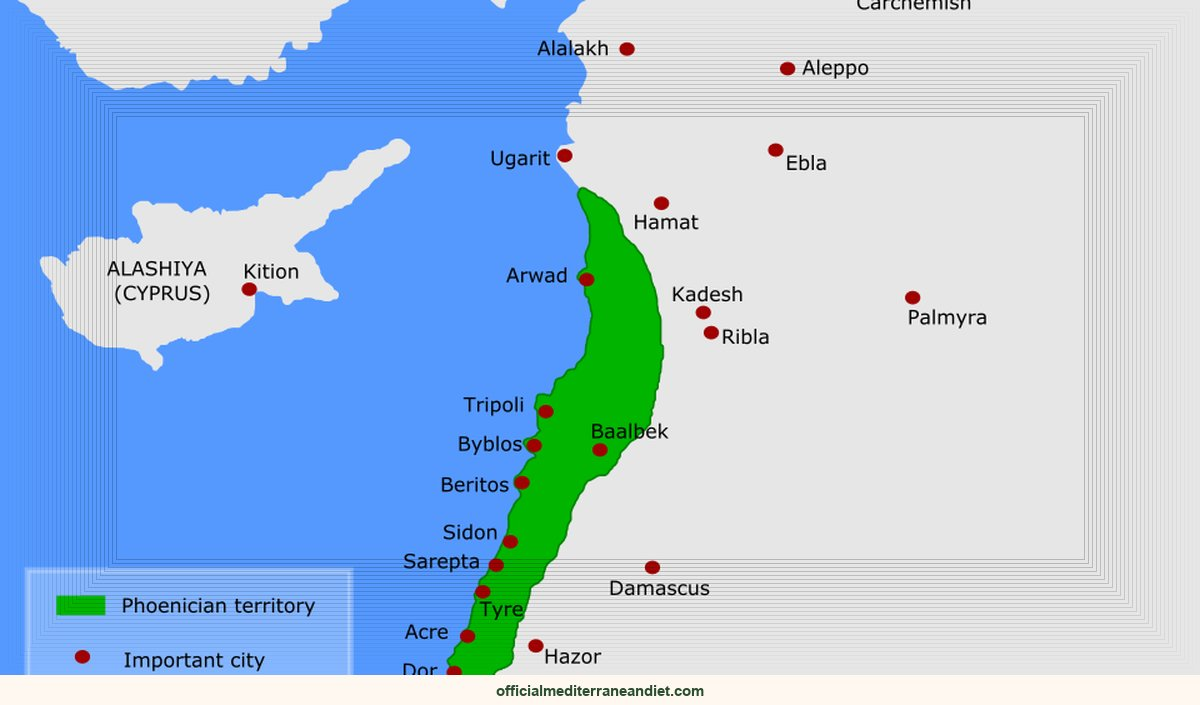
What gets called “the Mediterranean diet” is really a constellation of distinct regional habits. In Sicily, the staples lean toward what the local soil and sea produce best. In Crete, the same broad principles get expressed through different ingredients and cooking traditions. And in Lebanon’s Bekaa Valley, you’ll find another variation again, same spirit, different specifics. The closer you get to a specific place, the more useful the diet becomes as a model.
For more, see our Mediterranean diet for beginners guide and browse all our Mediterranean recipes.
Studies referenced
- Heart Disease and Stroke Statistics-2023 Update: A Report From the American Heart Association — Circulation (2023).
- Life’s Essential 8: Updating and Enhancing the American Heart Association’s Construct of Cardiovascular Health: A Presidential Advisory From the American Heart Association — Circulation (2022).
- 2024 Heart Disease and Stroke Statistics: A Report of US and Global Data From the American Heart Association — Circulation (2024).
- Management of Hyperglycemia in Type 2 Diabetes, 2018. A Consensus Report by the American Diabetes Association (ADA) and the European Association for the Study of Diabetes (EASD) — Diabetes care (2018).
Want to eat this way without the guesswork?
Get the free 7-day Mediterranean Diet Starter Kit
A week of simple meal plans, a pantry checklist, and our best beginner recipes — straight to your inbox.
Tools & pantry for this recipe
A few things that make this easier. These are affiliate links, so we may earn a small commission at no extra cost to you; we only suggest what we’d actually use ourselves. See our editorial policy.