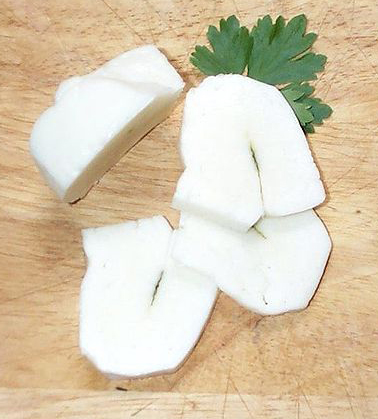
Grilled Halloumi with Figs and Pomegranate
Introduction
Let’s kick things off with a simple and stunning dish that’s sure to impress. Grilled halloumi, paired with the sweetness of figs and the tartness of pomegranate, is a delightful marriage of flavors and textures. This recipe brings out the best of each ingredient, making it a standout choice for any occasion.
Halloumi, a semi-hard, brined cheese from Cyprus, has a unique characteristic: it can be grilled or pan-fried until it develops a golden, caramelized crust while still retaining its chewy, squeaky interior. This cheese isn’t just tasty; it’s also a staple in Mediterranean cuisine. It’s savory, salty, and perfect for both starters and light mains.
When paired with figs, the natural sweetness contrasts beautifully with the saltiness of the cheese. Whether the figs are fresh or lightly grilled, they add a touch of sweetness that complements the halloumi perfectly. The jewel-bright pomegranate arils and a drizzle of extra virgin olive oil tie everything together, making it a truly Mediterranean dish.
Fresh mint and a squeeze of lemon give the dish a fresh, vibrant touch. This recipe is not just a culinary delight but also aligns with the Mediterranean diet, offering a satisfying protein hit from the cheese, natural sweetness from the fruit, and healthy fats from the olive oil.
Health Benefits
Halloumi’s Protein and Calcium: Halloumi provides a substantial amount of protein and calcium, with a 100g serving offering about 20g of protein and 700mg of calcium. Made from sheep’s and goat’s milk, it contains a different casein protein profile compared to cow’s milk cheese and is often more tolerable for those with mild dairy sensitivities.
Figs — Fiber and Natural Sweetness: Fresh figs provide dietary fiber, potassium, magnesium, and vitamin B6. They satisfy sweet cravings naturally without the use of processed sugars. Dried figs can be used as well, soaking them in warm water for 20 minutes makes them plump and jammy.
Pomegranate’s Antioxidant Power: Pomegranates are rich in punicalagins, antioxidants that help reduce blood pressure and lower LDL oxidation. The arils also provide fiber, vitamin C, and folate.
Olive Oil and Polyphenols: Extra virgin olive oil adds heart-protective monounsaturated fats and anti-inflammatory properties.
Ingredients (Serves 2-4 as a starter)
Equipment Needed
Step-by-Step Instructions
Prepare the Halloumi: Pat the halloumi slices dry with paper towels. Brush lightly with olive oil on both sides.
Heat the Grill Pan: Heat a ridged cast iron grill pan over high heat until it’s screaming hot. Do not add oil to the pan; the oil on the cheese is sufficient.
Grill the Halloumi: Place the slices in a single layer, not touching. Do not move or press them for 2-3 minutes until they release cleanly from the pan. Flip and grill for 2 minutes more until golden grill marks form on both sides. Remove immediately and serve hot.
Grill the Figs (Optional but Excellent): In the same hot pan, place the fig halves cut-side down. Grill for 60-90 seconds until they develop caramel char marks and release their sugars. Remove carefully.
Assemble the Plate: Arrange the grilled halloumi on a serving plate or board. Tuck the fig halves alongside. Scatter pomegranate arils generously over everything.
Dress and Finish: Drizzle with extra virgin olive oil and squeeze lemon juice over the top. Scatter fresh mint leaves. Finish with a few grinds of black pepper and a pinch of flaky sea salt.
Serve Immediately: This dish is best enjoyed hot, with the halloumi at its best within 2-3 minutes.
Pro Tips & Variations
Dry the Halloumi Thoroughly: Pat the halloumi dry and let it sit on paper towels for a few minutes before grilling.
Don’t Use Non-Stick for This: A hot cast iron or stainless steel pan creates the crust. Non-stick doesn’t get hot enough, causing the cheese to stick.
Dried Figs Work Beautifully in Winter: Soak dried figs in warm water with a splash of orange blossom water for 20 minutes to plump them up and make them jammy.
Add a Grain Component: Serve over a bed of warm freekeh, farro, or lentils for a more substantial meal.
Herb Variations: Thyme and basil work well in place of or alongside mint. Dried za’atar sprinkled over the finished dish adds a distinctly eastern Mediterranean character.
Balsamic Variation: A drizzle of aged balsamic reduction instead of (or in addition to) honey adds a sweet-tart depth.
Nutritional Information (Per Serving, based on 4 servings)
Storage & Reheating
Grilled halloumi is best eaten immediately and does not store well once grilled — it becomes rubbery when refrigerated and reheated.
Uncooked Halloumi: Stores in the refrigerator in its original brine for up to 2 weeks, or in a fresh salt-water solution.
Assembled but Uncooked: If prepping ahead for a party, have all components ready and grill the halloumi to order.
Pairing Suggestions
Frequently Asked Questions
Where do I find halloumi? Most well-stocked supermarkets carry it near the specialty cheeses. Whole Foods, Trader Joe’s, Middle Eastern grocery stores, and Costco all regularly stock it.
Can I pan-fry instead of grill? Yes — a regular (not non-stick) skillet over high heat works perfectly. You won’t get the ridged marks, but the flavor and texture are identical.
The halloumi is sticking — what am I doing wrong? The pan isn’t hot enough, or the cheese was wet. Heat the dry pan on high for at least 3-4 minutes before adding the cheese. If it’s sticking, wait — it will release once the crust forms.
What if I can’t find fresh figs? Ripe peaches, nectarines, or sliced mango all work beautifully with halloumi and pomegranate. Sliced ripe pears are exceptional in autumn.
Is this dish gluten-free? Yes, completely gluten-free. Serve with gluten-free flatbread if needed.
Tools & pantry for this recipe
A few things that make this easier. These are affiliate links, so we may earn a small commission at no extra cost to you; we only suggest what we’d actually use ourselves. See our editorial policy.