Mediterranean Feta and Avocado Salad
This salad blends the fresh flavors of the eastern Mediterranean with the health-conscious approach of modern food trends. It’s a simple, delicious dish that highlights the natural goodness of its ingredients.
Mediterranean feta and avocado come together in a refreshing way — creamy avocado and salty feta, crisp cucumber, juicy tomatoes, finely sliced red onion, Kalamata olives, and fresh herbs, all dressed with lemon juice and extra virgin olive oil. It’s quick to prepare and can be served as a starter, a light lunch, or a side dish that competes with more elaborate meals.
While avocado isn’t originally from the Mediterranean, its fat content aligns well with the region’s emphasis on healthy fats. The combination of avocado and feta creates a satisfying flavor contrast.
Why This Fits the Mediterranean Diet
The Mediterranean diet isn’t restrictive when it comes to healthy fats — it celebrates them. Avocado and olive oil both provide monounsaturated fats. Feta adds protein and calcium. The vegetables — tomatoes, cucumber, red onion — provide fiber, vitamins, and antioxidants. This salad embodies the essence of a light Mediterranean meal: vegetables and healthy fats at the center, cheese as a flavor component, and herbs adding brightness.
Health Benefits
**Avocado’s oleic acid:** Avocado is one of the few fruits that is predominantly fat (about 77% of calories). Its primary fat is oleic acid, the same monounsaturated fatty acid found in olive oil. Studies show that oleic acid reduces LDL cholesterol and C-reactive protein (a marker of inflammation).
**Avocado’s fiber and potassium:** A single avocado provides about 10g of fiber and more potassium than a banana. Adequate potassium intake is strongly associated with lower blood pressure and reduced stroke risk.
**Feta’s probiotic potential:** Traditionally made feta, aged in brine, may retain live lactic acid bacteria. Even where live cultures are minimal, feta’s sheep/goat milk base contains a different protein and fat structure than cow’s milk cheese, making it better tolerated by many people.
**Tomatoes and lycopene:** Combined with olive oil, the lycopene in tomatoes becomes highly bioavailable — this salad’s olive oil dressing is not a indulgence; it’s making the tomatoes more nutritious.
Ingredients (Serves 2–4)
2 ripe avocados, pitted, peeled, and cubed
150g (5 oz) feta cheese, crumbled or cubed
1 cup cherry tomatoes, halved (or 2 Roma tomatoes, diced)
1 large English cucumber, diced or sliced into half-moons
¼ red onion, very thinly sliced
½ cup Kalamata olives, pitted and halved
3 tablespoons extra virgin olive oil
Juice of 1 lemon (about 3 tablespoons)
1 teaspoon dried oregano
Small handful fresh flat-leaf parsley, roughly chopped
Small handful fresh mint leaves, torn (optional but excellent)
Flaky sea salt and freshly cracked black pepper
Equipment Needed
Sharp knife and cutting board
Serving bowl
Small jar or bowl for dressing (optional)
Step-by-Step Instructions
1. Soak the red onion in cold water for 5–10 minutes. This removes the harsh raw bite while keeping the color and mild onion flavor. Drain and pat dry.
2. Prepare the avocado last, right before serving, to prevent browning. If prepping ahead, toss the avocado cubes immediately in lemon juice.
3. Combine the vegetables in a large bowl or on a platter. Season lightly with salt and pepper.
4. Gently add the avocado cubes and feta. Toss minimally — you want the avocado and feta to stay in distinct pieces rather than turning into a mash.
5. Dress and season by drizzling olive oil and lemon juice directly over the salad. Scatter dried oregano. Toss very gently to distribute the dressing.
6. Finish with fresh herbs. Scatter fresh parsley and mint over the top. Finish with a pinch of flaky sea salt and a generous grind of black pepper.
7. Serve immediately. Avocado begins to oxidize and brown once cut. This salad is best served within 20–30 minutes of assembling.
Pro Tips & Variations
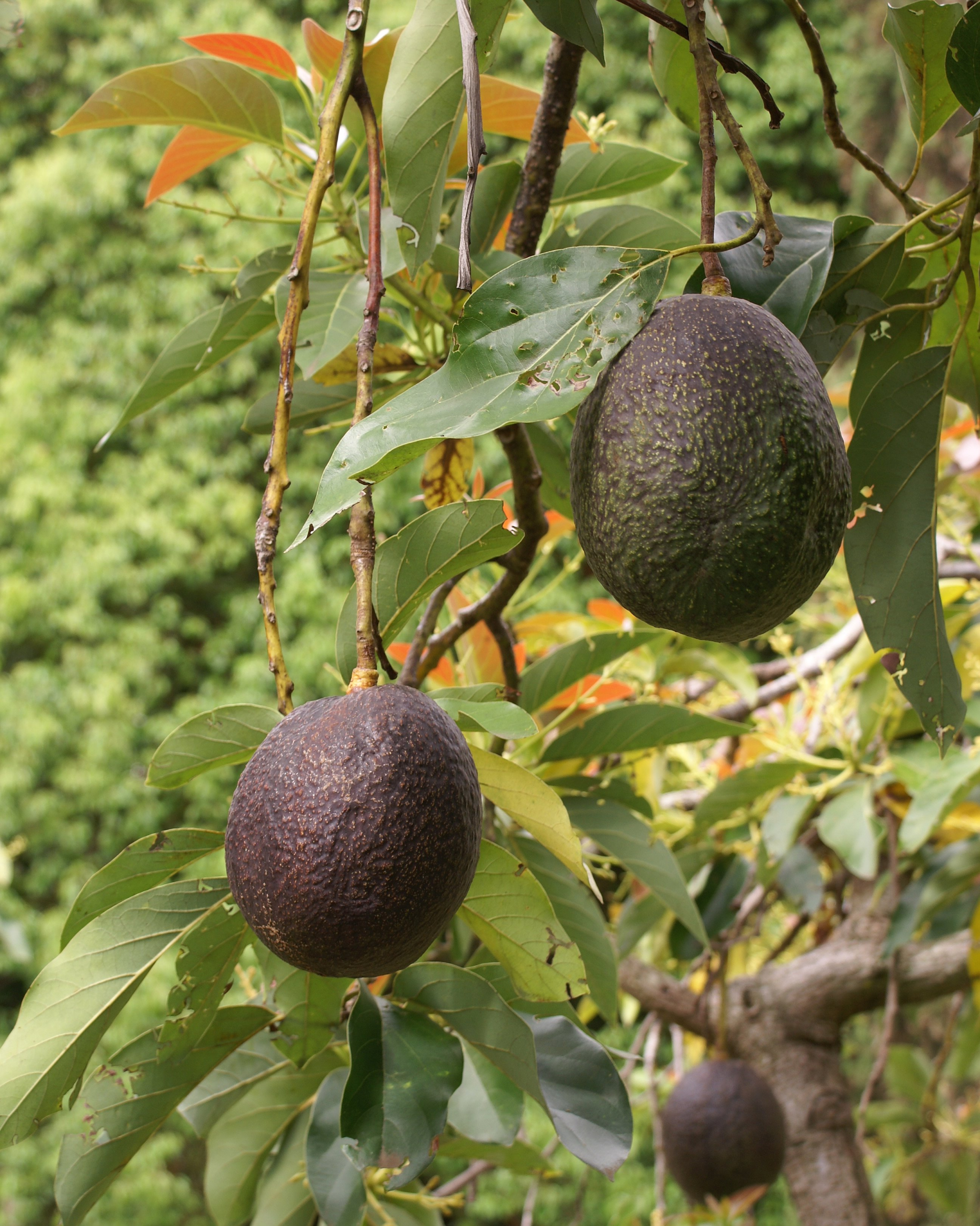
For perfect avocado ripeness: Ripe avocado yields to gentle pressure but doesn’t feel mushy. The skin of a Hass avocado should be dark (nearly black) when ripe. If the avocado is hard, leave at room temperature 1–2 days. If it’s stringy or brown inside, it’s overripe.
Soak the onion every time: Raw red onion can dominate the entire salad. Five minutes in cold water removes the aggressive sulfur compounds that cause eye-watering sharpness while leaving a pleasant, mild onion presence.
Make a grain bowl base: Add a cup of warm cooked farro, quinoa, or brown rice under the salad for a more substantial meal.
Add protein for a complete meal: Grilled shrimp, flaked grilled salmon, or sliced grilled chicken will turn this into a complete main course.
Za’atar variation: Replace the dried oregano with za’atar (a Middle Eastern spice blend of thyme, sumac, sesame seeds, and oregano) for a distinctly eastern Mediterranean flavor.
Nutritional Information (Per Serving, based on 4 servings)
Calories: ~340 kcal
Protein: 9g
Carbohydrates: 14g
Fat: 29g (predominantly monounsaturated and omega-9)
Fiber: 7g
Sodium: ~580mg
Storage
This salad does not store well once dressed due to the avocado browning.
**Prep ahead:** Keep all components separate. Dress and combine right before serving. Undressed cucumber, tomatoes, onion, and olives keep refrigerated for 2 days.
**Leftover hack:** If you have leftovers, roughly mash everything together with extra lemon juice — it becomes a rough guacamole-hummus hybrid that is surprisingly excellent on toast.
Pairing Suggestions
Warm pita or flatbread
Grilled fish or chicken alongside
Part of a mezze spread
Cold dry rosé or crisp white wine
Frequently Asked Questions
**How do I stop avocado from browning?** Citric acid (lemon juice) slows oxidation. Toss cut avocado immediately with lemon juice. Pressing plastic wrap directly against the surface (no air) also slows browning in storage.
**Can I use block feta vs pre-crumbled?** Block feta (in brine) is significantly better — creamier, less salty, and more flavorful. Pre-crumbled feta is convenient but tends to be dry and very salty. If using pre-crumbled, reduce added salt accordingly.
**What type of cucumber should I use?** English (seedless) cucumbers or Persian cucumbers are best — thinner skin, fewer seeds, less water. Regular garden cucumbers work fine but seed them first (cut in half lengthwise, scrape seeds with a spoon) to prevent the salad from becoming watery.
**Is this salad filling enough as a main course?** For a light lunch, yes — especially if you add a protein and serve with bread. For dinner, serve it alongside a protein main or add grains to the base.
Tools & pantry for this recipe
A few things that make this easier. These are affiliate links, so we may earn a small commission at no extra cost to you; we only suggest what we’d actually use ourselves. See our editorial policy.