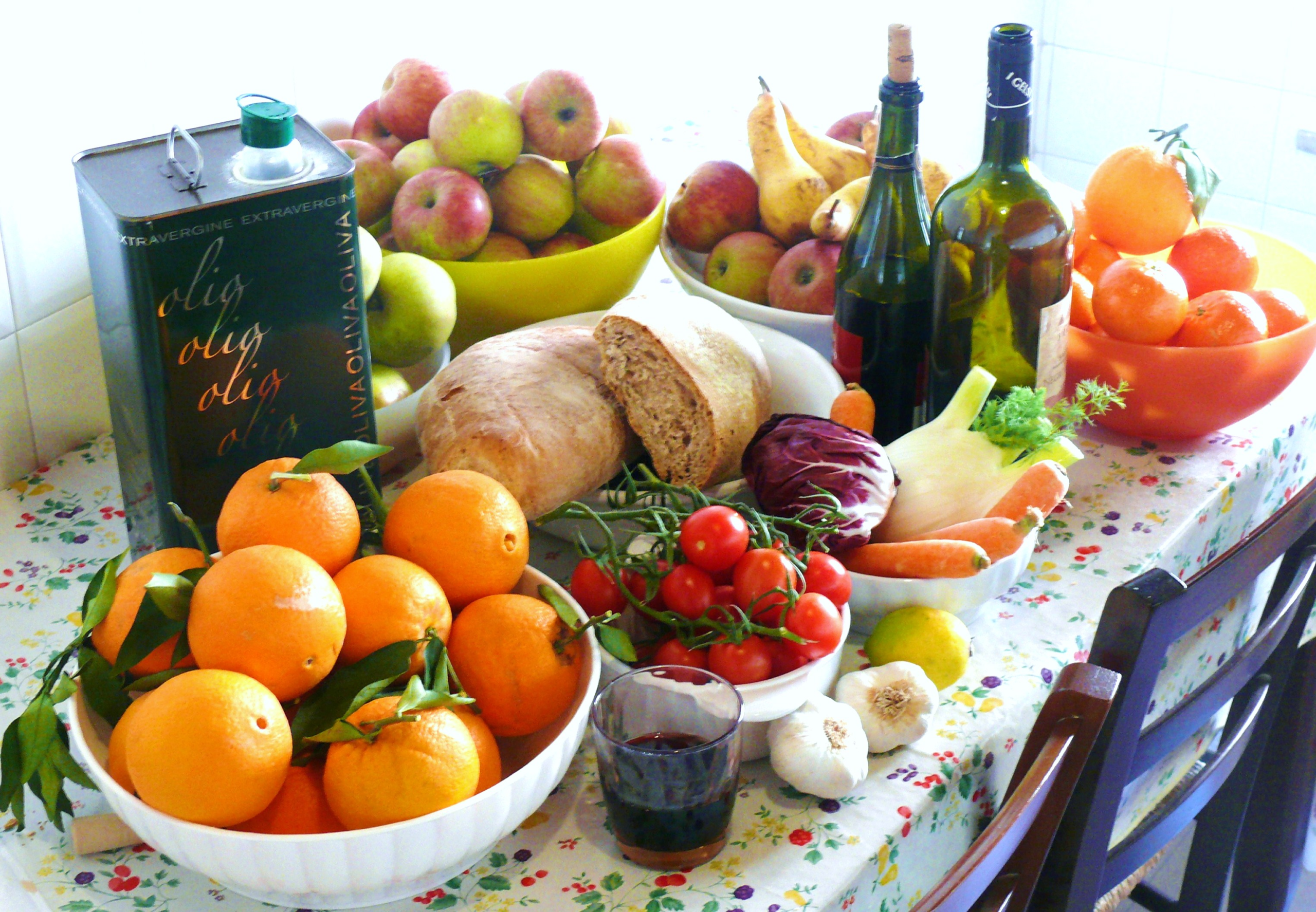
Chronic inflammation is behind almost every major disease of modern life. Heart disease. Type 2 diabetes. Alzheimer’s. Arthritis. Many cancers. Even depression has deep ties to systemic inflammation. And yet most people have never been told that what they eat every day is either fueling that inflammation or fighting it — with measurable, documented effects.
The Mediterranean diet is the most studied anti-inflammatory eating pattern in the world. Not because researchers invented it — but because people in the Mediterranean region have been eating this way for centuries, and scientists noticed that they were getting sick far less often than people in industrialized countries eating the Standard American Diet.
This article explains the connection: what inflammation actually is, why the Standard American Diet fans the fire, and how specific foods in the Mediterranean diet actively work to put it out.
What Is Chronic Inflammation?
First, the important distinction. Acute inflammation is your body’s immediate immune response to injury or infection — the swelling around a cut, the fever when you have the flu. That kind is essential and helpful. It’s your immune system mobilizing to protect and repair.
Chronic inflammation is something different. It’s a low-grade, persistent immune activation that has no obvious injury to heal and no infection to fight. Instead of resolving, it smolders on for months or years — quietly damaging tissues and organs, disrupting hormones, accelerating aging, and creating the biological conditions for serious disease.
What triggers chronic inflammation? There are multiple drivers:
- A diet high in ultra-processed food, refined carbohydrates, trans fats, and added sugar
- Obesity, particularly excess visceral fat (fat stored around the organs)
- Sedentary behavior
- Chronic stress
- Poor sleep
- Environmental toxins
The single most modifiable of these factors — the one you can change three times a day, every day — is diet. And this is exactly where the Mediterranean diet comes in.
How the Standard American Diet Drives Inflammation
The Standard American Diet (appropriately abbreviated SAD) is characterized by high intake of processed and fast foods, refined grains, added sugars, industrial seed oils (corn, soybean, canola), and red and processed meat — with low intake of vegetables, fruits, legumes, and whole grains.
Every one of these features drives inflammation:
- Refined sugar and refined carbohydrates spike blood glucose and insulin, triggering inflammatory cascades and feeding pro-inflammatory gut bacteria
- Industrial seed oils are extremely high in omega-6 fatty acids. In excess, omega-6s shift the body toward producing more inflammatory signaling molecules (prostaglandins and leukotrienes)
- Processed meat — bacon, sausage, deli meats — contains nitrates, advanced glycation end-products (AGEs), and high saturated fat, all linked to elevated inflammatory markers
- Low fiber intake impoverishes the gut microbiome, which plays a critical regulatory role in systemic inflammation. When the microbiome suffers, inflammatory markers rise
- Ultra-processed food in general contains emulsifiers, preservatives, and additives that appear to disrupt the gut barrier — allowing bacterial endotoxins to leak into the bloodstream, which is one of the most potent known drivers of chronic inflammation
How the Mediterranean Diet Fights Inflammation
The Mediterranean diet works against chronic inflammation through multiple simultaneous mechanisms — which is why its benefits are so broad and so consistent across different diseases. It’s not a single compound or a single mechanism. It’s a pattern of foods that collectively shift the body’s inflammatory set point downward.
Extra Virgin Olive Oil and Oleocanthal
Extra virgin olive oil is the cornerstone fat of the Mediterranean diet — and it contains a phenolic compound called oleocanthal that has been studied extensively for its anti-inflammatory properties. Researchers at the Monell Chemical Senses Center found in 2005 that oleocanthal inhibits the same inflammatory pathways as ibuprofen — the over-the-counter NSAID pain reliever. A generous daily dose of high-quality extra virgin olive oil provides oleocanthal roughly equivalent to a low dose of ibuprofen.
Oleocanthal isn’t the only anti-inflammatory compound in olive oil. Oleuropein, hydroxytyrosol, and squalene all contribute to the anti-inflammatory and antioxidant effects. These are not present in refined olive oil, light olive oil, or vegetable oils — only in genuine cold-pressed extra virgin olive oil.
Quality matters here. Polyphenol-rich, cold-pressed extra virgin olive oils contain dramatically higher levels of these compounds than cheaper, older, or improperly stored alternatives. Look for oils with a harvest date on the label and buy from reputable sources.
Fatty Fish and Omega-3 Fatty Acids
The Mediterranean diet recommends fish and seafood at least twice a week — and the reason is largely the omega-3 fatty acids EPA (eicosapentaenoic acid) and DHA (docosahexaenoic acid) found most abundantly in fatty fish like salmon, mackerel, sardines, and herring.
Omega-3s are the biological raw material for resolvins and protectins — specialized pro-resolving mediators that actively signal inflammation to shut down. When you eat enough omega-3s, your body has the building blocks to resolve inflammatory responses naturally. When you don’t — or when omega-6 intake is high relative to omega-3 — inflammatory processes lose their natural off-switch.
A 2017 meta-analysis in Nutrients found that omega-3 supplementation significantly reduced levels of C-reactive protein (CRP), interleukin-6, and TNF-alpha — three of the most reliable blood markers of systemic inflammation.
The most convenient options:
- Wild Planet sardines packed in extra virgin olive oil — an omega-3 bomb in a can, shelf-stable and inexpensive
- Frozen wild-caught salmon fillets for cooking at home
- High-quality omega-3 supplements for days when fish isn’t practical
Vegetables, Fruits, and Polyphenols
The Mediterranean diet’s abundance of colorful vegetables and fruits supplies an enormous variety of polyphenols — plant compounds that function as both antioxidants and anti-inflammatory agents. Flavonoids, anthocyanins, carotenoids, lycopene, quercetin, and resveratrol are just a few of the thousands of bioactive compounds that work together to reduce oxidative stress and inflammatory signaling.
The most potent anti-inflammatory plant foods in the Mediterranean diet include:
- Tomatoes: Rich in lycopene, particularly in cooked and canned form. Lycopene is strongly associated with reduced prostate cancer risk and lower cardiovascular inflammation markers.
- Leafy greens (spinach, kale, arugula): High in vitamin K (essential for regulating inflammatory response), folate, and antioxidant carotenoids.
- Berries: Blueberries and strawberries contain some of the highest polyphenol concentrations of any food. Regular berry consumption consistently reduces inflammatory markers in clinical studies.
- Red grapes and red wine: Contain resveratrol, which activates anti-inflammatory gene expression pathways. (One glass of red wine with dinner — optional and not necessary for the anti-inflammatory benefits.)
- Garlic and onions: Quercetin and allicin — both potent anti-inflammatory compounds found in the allium family — are built into almost every Mediterranean meal.
- Citrus: Vitamin C and flavonoids from lemons, oranges, and grapefruit support immune function and reduce inflammatory markers, particularly CRP.
Legumes and Dietary Fiber
Chickpeas, lentils, black-eyed peas, and white beans are eaten several times per week in the Mediterranean diet — and their high fiber content has profound anti-inflammatory effects via the gut microbiome.
Dietary fiber is fermented by gut bacteria into short-chain fatty acids (SCFAs), particularly butyrate. Butyrate does something remarkable: it directly suppresses the production of pro-inflammatory cytokines and strengthens the gut barrier, preventing the “leaky gut” phenomenon that allows inflammatory bacterial fragments to enter the bloodstream. Higher fiber intake is consistently associated with lower CRP and lower risk of virtually every inflammatory disease.
The Mediterranean diet provides 25–40 grams of dietary fiber per day in traditional practice — roughly double the average American intake and right in the range research suggests is optimal for microbiome health.
Nuts and Walnuts in Particular
Walnuts are perhaps the most anti-inflammatory nut in the Mediterranean diet pantry. They’re unusually high in alpha-linolenic acid (ALA), the plant-based omega-3 precursor, as well as polyphenols that appear to directly reduce inflammatory markers. A 2020 randomized controlled trial published in the Journal of the American College of Cardiology found that daily walnut consumption over two years significantly reduced levels of several key inflammatory markers compared to a control group.
A small handful of walnuts per day — about one ounce — is all it takes. Raw walnut halves store well in the fridge and are inexpensive in bulk.
Whole Grains and the Anti-Inflammatory Fiber Effect
Unlike refined grains (white bread, white rice, regular pasta), whole grains retain their bran and germ — which is where the fiber, B vitamins, and anti-inflammatory phenolic compounds live. The Mediterranean diet uses whole wheat bread, farro, bulgur, and brown rice as staples rather than refined versions.
Multiple studies have found that substituting whole grains for refined grains reduces CRP and other inflammatory markers, independent of other dietary factors. The mechanism is partly the fiber (as above) and partly the fact that whole grains have a lower glycemic index — they raise blood sugar more slowly, reducing the inflammation-driving glucose and insulin spikes associated with refined carbohydrates.
Herbs and Spices as Anti-Inflammatory Powerhouses
The Mediterranean diet uses fresh and dried herbs liberally — and many of them carry significant anti-inflammatory properties that are easy to overlook:
- Turmeric: Contains curcumin, one of the most studied natural anti-inflammatory compounds in existence. Used in North African Mediterranean cooking and increasingly across the broader Mediterranean pantry.
- Ginger: Gingerols and shogaols inhibit the same inflammatory enzymes as NSAIDs.
- Rosemary: Carnosic acid and carnosol have potent anti-inflammatory and neuroprotective properties.
- Oregano: High in rosmarinic acid, a compound with documented anti-inflammatory and antioxidant effects.
- Cinnamon: Used in Mediterranean stews and tagines, cinnamon helps improve insulin sensitivity, which reduces inflammation downstream.
Cooking with these herbs isn’t a supplement — it’s a flavor strategy that happens to be medicinal. The Mediterranean spice blend sets available on Amazon are a convenient way to keep the full range stocked in your pantry.
What the Research Shows: Inflammation Markers and the Mediterranean Diet
The evidence is substantial and consistent. Here’s a snapshot of what studies have found:
- A 2016 meta-analysis in the European Journal of Clinical Nutrition reviewed 17 studies and found that higher Mediterranean diet adherence was significantly associated with lower concentrations of CRP, interleukin-6, and other inflammatory biomarkers.
- The PREDIMED trial found that Mediterranean diet participants showed significantly reduced inflammatory markers at 3 months and maintained those reductions throughout the 5-year study.
- A 2018 study in Cell found that extra virgin olive oil specifically activated autophagy pathways — the cellular “self-cleaning” mechanism — in ways that reduced inflammatory damage at the cellular level.
- Research from Rush University found that people following the MIND diet (a variant of the Mediterranean diet focused on brain health) had significantly lower biomarkers of neuroinflammation — suggesting the diet’s anti-inflammatory effects extend specifically to the brain.
Inflammation and Specific Conditions: What the Mediterranean Diet Offers
Arthritis and Joint Pain
Both rheumatoid arthritis (an autoimmune inflammatory disease) and osteoarthritis (wear-related joint degeneration accelerated by inflammation) show improvements with Mediterranean diet adherence in multiple studies. Omega-3 fatty acids from fish are particularly well-studied for reducing joint swelling and morning stiffness in rheumatoid arthritis patients. The Arthritis Foundation explicitly recommends the Mediterranean diet.
Cardiovascular Disease
Atherosclerosis — the plaque buildup in arteries that leads to heart attack and stroke — is fundamentally an inflammatory disease. Reducing systemic inflammation through diet directly lowers cardiovascular risk. The PREDIMED trial’s 30% reduction in cardiovascular events is the most concrete demonstration of this principle at scale.
Type 2 Diabetes
Chronic inflammation contributes to insulin resistance — the core problem in Type 2 diabetes. An anti-inflammatory diet that also improves blood sugar control (as the Mediterranean diet does) addresses both sides of the problem simultaneously.
Depression and Mental Health
The gut-brain axis and the role of neuroinflammation in depression is an emerging and exciting research area. Multiple studies now link higher adherence to the Mediterranean diet with lower rates of depression and better mental health outcomes. The landmark SMILES trial (2017) found that a Mediterranean-style dietary intervention was significantly more effective than social support in reducing depression symptoms in clinically depressed individuals.
How to Eat an Anti-Inflammatory Mediterranean Diet: A Practical Summary
Daily priorities:
- Use extra virgin olive oil as your primary cooking fat (aim for 2–4 tablespoons per day)
- Eat at least 5 servings of vegetables and 2 servings of fruit
- Include at least one serving of legumes
- Snack on a small handful of walnuts or almonds
- Season generously with herbs and spices
Several times a week:
- Eat fatty fish (salmon, mackerel, sardines, herring) at least twice a week
- Include whole grains — farro, bulgur, whole wheat pasta, brown rice
Minimize or avoid:
- Ultra-processed food — packaged snacks, fast food, deli meats
- Refined sugar and refined grain products
- Industrial seed oils (replace with olive oil whenever possible)
- Excess alcohol beyond an occasional glass of wine
Worth Having in Your Kitchen
A few high-quality pantry items that support an anti-inflammatory Mediterranean approach:
- High-polyphenol extra virgin olive oil — the single most important ingredient
- Wild Planet canned fish variety pack — sardines, mackerel, and tuna for fast, omega-3-rich meals
- Raw organic walnut halves — the most anti-inflammatory nut
- High-absorption curcumin (turmeric) supplement — for days when you want additional anti-inflammatory support beyond food
- Nordic Naturals omega-3 fish oil — a reputable, third-party-tested brand for supplementing on non-fish days
The Bottom Line
Chronic inflammation is not inevitable. It is, to a significant degree, a product of what we eat — and it can be reduced by what we eat. The Mediterranean diet is the most evidence-backed, the most culturally tested, and the most delicious approach to eating an anti-inflammatory diet that exists.
You don’t need to overhaul your entire life to get started. Swap your cooking oil to extra virgin olive oil. Add a can of sardines to your week. Eat more beans. Put fresh herbs on everything. These aren’t sacrifices — they’re upgrades. And over months and years, they add up to a body that experiences dramatically less of the silent, damaging inflammation driving so much modern disease.
For a structured guide to adopting the Mediterranean diet, The Complete Mediterranean Cookbook by America’s Test Kitchen is the most practical starting resource. For a more science-heavy exploration of inflammation and diet, How Not to Die by Dr. Michael Greger is a compelling, rigorously cited read that makes the case from the research up.
Start where you are. Cook one more meal at home this week. Buy a good bottle of olive oil. The anti-inflammatory Mediterranean diet doesn’t ask for perfection — just direction.
Tools & pantry for this recipe
A few things that make this easier. These are affiliate links, so we may earn a small commission at no extra cost to you; we only suggest what we’d actually use ourselves. See our editorial policy.