| Aspect | Mediterranean Diet Pyramid | Other Diets |
|---|---|---|
| Base Foods | Vegetables, fruits, olive oil, legumes | Grains, processed foods |
| Protein Sources | Fish, poultry, nuts, eggs | Red meat, processed meats |
| Healthy Fats | Olive oil, nuts, fish | Low-fat dairy, margarine |
| Red Meat | Limited | Often included |
| Processing | Minimal | High |
Q: What foods are at the base of the Mediterranean diet pyramid?
A: The base includes vegetables, fruits, legumes, nuts, and olive oil. These foods should be consumed daily for optimal health.
Q: How often should I eat fish according to the pyramid?
A: The diet recommends eating fish at least twice a week, especially fatty fish like salmon and sardines.
Q: Is red meat allowed in the Mediterranean diet?
A: Red meat is allowed but should be limited to a few times a month. Lean cuts are preferred.
Q: Can I drink wine while following the pyramid?
A: Yes, but only in moderation—up to one glass per day for women and two for men.
Q: What are some Mediterranean diet recipes I can try?
A: Try Mediterranean diet recipes like Greek salad, Spanish paella, or Lebanese kibbeh. The Mediterranean diet meal plan for beginners offers more ideas.
Q: Is the Mediterranean diet suitable for weight loss?
A: Yes, the diet supports weight management by emphasizing whole foods and healthy fats.
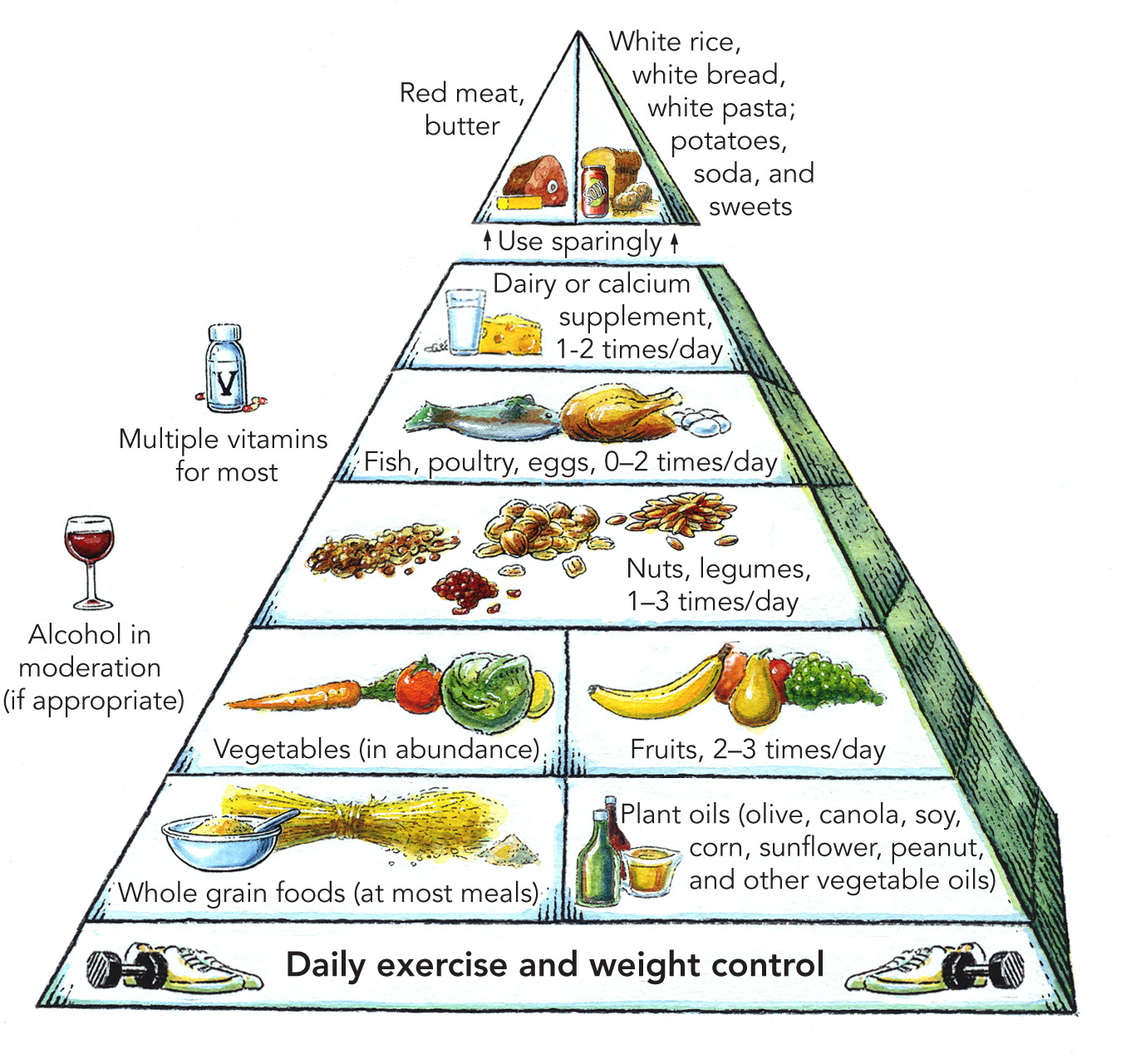
*This article was reviewed on April 5, 2024. The information provided is for educational purposes only and is not a substitute for professional medical advice.*In the heart of Greece, where olive groves stretch across hillsides and traditional meals are shared around wooden tables, the Mediterranean diet pyramid has long served as a guide to health. This pyramid, rooted in centuries of eating patterns from countries like Italy, Spain, Morocco, and Lebanon, offers a practical framework for daily nutrition. The pyramid’s base, which includes olive oil, vegetables, and fruits, is built on scientific evidence from studies like the landmark PREDIMED trial in Spain, where researchers found that those following a Mediterranean diet had a 30% lower risk of major cardiovascular events.
What Is the Mediterranean Diet Pyramid? The Mediterranean diet pyramid is a visual guide that organizes foods based on their frequency of consumption and health benefits. It was developed by researchers like Walter Willett of Harvard University and is based on the traditional eating patterns of people in the Mediterranean region. The pyramid is not a rigid rulebook but a flexible model that emphasizes whole foods, healthy fats, and minimal processed ingredients. It’s a system that has been validated by multiple peer-reviewed studies, including the Lyon Heart Study in France, which showed a 70% reduction in heart disease risk among participants who followed a Mediterranean-style diet. The Base of the Pyramid: Daily Staples At the base of the pyramid are foods that should be consumed daily. These include vegetables, fruits, legumes, nuts, and olive oil. In Spain, where the diet is deeply embedded in culture, meals often begin with a large salad of tomatoes, cucumbers, and olives drizzled with olive oil. A study by Salas-Salvadó et al. (2014) in *Diabetes Care* found that people who ate more vegetables and legumes had a 20% lower risk of developing type 2 diabetes. Olive oil, the cornerstone of the diet, is rich in monounsaturated fats and antioxidants. The PREDIMED study (Estruch et al., 2018, *New England Journal of Medicine*) showed that replacing nuts or vegetables with olive oil reduced the risk of cardiovascular disease by 30%. The Middle Layer: Moderate Consumption The middle layer includes fish, poultry, eggs, and dairy products. In Italy, where seafood is abundant, fish like sardines and anchovies are often grilled or used in pasta sauces. The MIND diet, developed by Morris et al. (2015) in *Alzheimer’s & Dementia*, emphasizes the importance of fish and leafy greens in reducing cognitive decline. The EPIC study (Buckland et al., 2012, *BMJ*) found that people who ate fish twice a week had a 20% lower risk of heart disease. Eggs, especially when consumed in moderation, are a good source of protein and choline. The diet recommends up to one egg per day, particularly in regions like Lebanon where eggs are used in traditional dishes like kibbeh. The Upper Layers: Limited Intake Foods at the top of the pyramid, such as red meat, processed foods, and sweets, should be consumed sparingly. In Morocco, where meat is often reserved for special occasions, the diet emphasizes plant-based meals. The Seven Countries Study by Ancel Keys (1972) found that populations in countries with high red meat consumption, like the United States, had higher rates of heart disease. A Cochrane Review (2020) confirmed that reducing red meat intake can lower the risk of cardiovascular disease by up to 15%. The Mediterranean diet pyramid recommends limiting red meat to a few times a month, with a focus on lean cuts and plant-based alternatives. Olive Oil: The Foundation of Health Olive oil is the foundation of the Mediterranean diet pyramid. In Greece, where olive trees have been cultivated for over 4,000 years, olive oil is used in almost every dish. The PREDIMED study (Estruch et al., 2018) found that participants who consumed extra virgin olive oil had a 30% lower risk of cardiovascular events. The oil is rich in oleic acid and polyphenols, which help reduce inflammation and improve heart health. A study in *JAMA Neurology* (Shannon et al., 2023) showed that people who consumed more olive oil had a 25% lower risk of cognitive decline. The diet recommends using olive oil for cooking, drizzling it over salads, and using it in traditional recipes like Greek moussaka. Fruits and Vegetables: Nutrient Powerhouses Fruits and vegetables are essential components of the Mediterranean diet pyramid. In Spain, where the diet is deeply rooted in local traditions, meals often feature seasonal produce like tomatoes, peppers, and artichokes. The Lyon Heart Study (de Lorgeril et al., 1999, *Circulation*) found that participants who ate more fruits and vegetables had a 70% lower risk of heart disease. A study by the MIND diet researchers (Morris et al., 2015) showed that people who ate leafy greens and berries had a 50% lower risk of cognitive decline. The diet encourages eating a variety of colorful fruits and vegetables to ensure a broad spectrum of vitamins, minerals, and antioxidants. Fish and Seafood: Omega-3 Benefits Fish and seafood are central to the Mediterranean diet pyramid, especially in coastal regions like Italy and Lebanon. The MIND diet (Morris et al., 2015) emphasizes the importance of omega-3 fatty acids found in fish like salmon, sardines, and mackerel. A Cochrane Review (2020) found that people who ate fish regularly had a 20% lower risk of heart disease. The EPIC study (Buckland et al., 2012, *BMJ*) also showed that fish consumption was linked to a 20% reduction in cardiovascular risk. In Spain, where seafood is abundant, dishes like paella and grilled fish are common. The diet recommends eating fish at least twice a week, with a focus on wild-caught varieties. Nuts and Legumes: Protein and Fiber Nuts and legumes are important sources of protein and fiber in the Mediterranean diet pyramid. In Morocco, where legumes like chickpeas and lentils are used in traditional dishes, these foods are a staple. The PREDIMED study (Estruch et et al., 2018) found that people who consumed nuts had a 30% lower risk of cardiovascular disease. A study by Salas-Salvadó et al. (2014) in *Diabetes Care* showed that legumes helped reduce the risk of type 2 diabetes by 20%. The diet encourages eating a handful of nuts daily and including legumes in meals like Greek lentil soup or Spanish chickpea stew. The Role of Wine in Moderation In regions like Italy and Greece, moderate wine consumption is part of the traditional diet. The PREDIMED study (Estruch et al., 2018) found that people who drank one glass of red wine daily had a 30% lower risk of cardiovascular disease. However, the diet emphasizes moderation, with no more than one glass per day for women and two for men. Wine, especially red wine, contains resveratrol and other antioxidants that may help protect the heart. The diet does not encourage starting to drink wine if you don’t already, but rather emphasizes the importance of moderation for those who do. Practical Tips for Following the Pyramid Adopting the Mediterranean diet pyramid doesn’t require a complete overhaul of your lifestyle. Start by incorporating more vegetables and fruits into your meals. Try the Mediterranean diet meal plan for beginners to get a sense of how to structure your daily intake. The diet emphasizes whole foods, so focus on preparing meals from scratch rather than relying on processed options. In Greece, traditional cooks like Maria Kouroupi often use olive oil and fresh herbs to create flavorful, healthy dishes. The key is to make small, sustainable changes over time. Comparison Table: Mediterranean Diet Pyramid vs. Other Diets| Aspect | Mediterranean Diet Pyramid | Other Diets |
|---|---|---|
| Base Foods | Vegetables, fruits, olive oil, legumes | Grains, processed foods |
| Protein Sources | Fish, poultry, nuts, eggs | Red meat, processed meats |
| Healthy Fats | Olive oil, nuts, fish | Low-fat dairy, margarine |
| Red Meat | Limited | Often included |
| Processing | Minimal | High |
Q: What foods are at the base of the Mediterranean diet pyramid?
A: The base includes vegetables, fruits, legumes, nuts, and olive oil. These foods should be consumed daily for optimal health.
Q: How often should I eat fish according to the pyramid?
A: The diet recommends eating fish at least twice a week, especially fatty fish like salmon and sardines.
Q: Is red meat allowed in the Mediterranean diet?
A: Red meat is allowed but should be limited to a few times a month. Lean cuts are preferred.
Q: Can I drink wine while following the pyramid?
A: Yes, but only in moderation—up to one glass per day for women and two for men.
Q: What are some Mediterranean diet recipes I can try?
A: Try Mediterranean diet recipes like Greek salad, Spanish paella, or Lebanese kibbeh. The Mediterranean diet meal plan for beginners offers more ideas.
Q: Is the Mediterranean diet suitable for weight loss?
A: Yes, the diet supports weight management by emphasizing whole foods and healthy fats.
*This article was reviewed on April 5, 2024. The information provided is for educational purposes only and is not a substitute for professional medical advice.*Tools & pantry for this recipe
A few things that make this easier. These are affiliate links, so we may earn a small commission at no extra cost to you; we only suggest what we’d actually use ourselves. See our editorial policy.