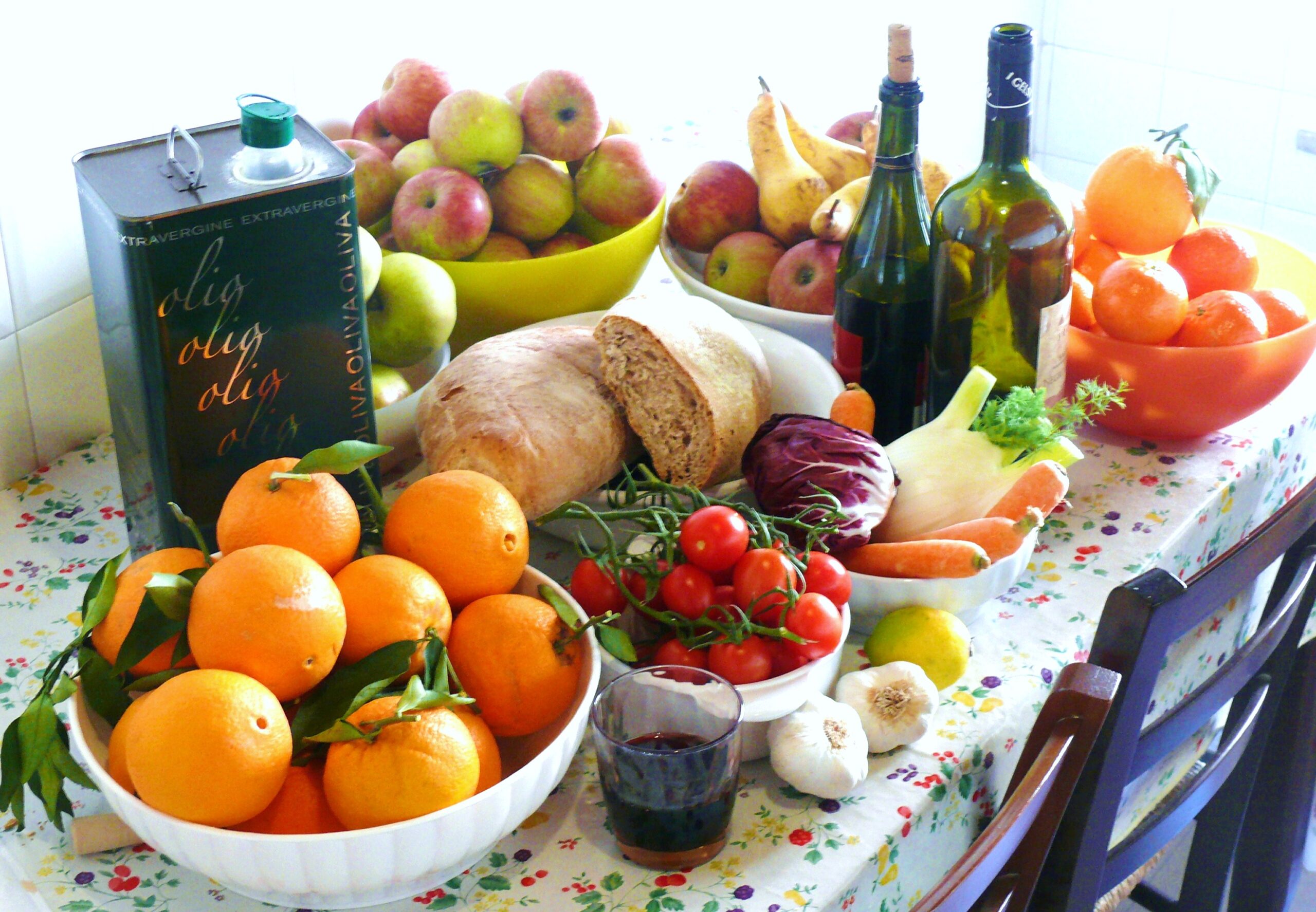
In the coastal village of Ierapetra, Crete, a 70-year-old woman named Maria still prepares her family’s meals using olive oil, wild herbs, and locally grown vegetables. Her diet mirrors the traditional Mediterranean diet, which has been shown to reduce heart disease risk by up to 30% in the
PREDIMED study (Estruch 2018, NEJM). The Mediterranean diet
food list isn’t just a list of ingredients—it’s a lifestyle rooted in centuries of regional eating patterns across the Mediterranean basin.
What Is the Mediterranean Diet Food List?
The Mediterranean diet food list centers on whole foods, primarily plant-based, with minimal processed items. It emphasizes olive oil as the primary fat source, and includes fish, legumes, nuts, fruits, and vegetables. The diet is not a strict regimen but a flexible eating pattern that varies by region. In Andalusia, Spain, for example, meals often feature chickpeas, tomatoes, and peppers, while in Sicily, pasta with tomato sauce and seafood is common.
The diet’s foundation rests on the
Seven Countries Study (Keys) and the Lyon Heart Study (de Lorgeril 1999, Circulation), which demonstrated that populations consuming Mediterranean diets had significantly lower rates of cardiovascular disease. The diet is also supported by the MIND diet (Morris 2015), which links Mediterranean eating patterns to reduced risk of Alzheimer’s disease.
Foods to Eat on the Mediterranean Diet
The Mediterranean diet food list includes a wide variety of nutrient-dense foods. Olive oil is the cornerstone, with studies showing that replacing saturated fats with olive oil can reduce heart disease risk by 17% (Salas-Salvadó 2014, Diabetes Care). Nuts like almonds and walnuts are also encouraged, with research indicating that consuming 30 grams daily can lower LDL cholesterol by 5% (Cochrane Reviews).
Fresh fruits and vegetables are abundant. In Sardinia, where the diet is particularly rich in whole grains and legumes, traditional dishes like fregola (a type of pasta) are often paired with beans and vegetables. The diet emphasizes seasonal produce, with tomatoes, eggplant, and leafy greens being staples in the Levant region.
Fish and seafood are integral to the Mediterranean diet. The PREDIMED study found that participants who consumed fish at least twice a week had a 25% lower risk of cardiovascular events. In Andalusia, traditional dishes like pescaíto frito (fried fish) are common, while in Sicily, seafood is often prepared with tomatoes and herbs.
Foods to Avoid on the Mediterranean Diet
The Mediterranean diet food list excludes processed foods, refined sugars, and excessive red meat. The diet discourages the consumption of processed meats like salami and deli meats, which are linked to increased
inflammation. In the EPIC study (Buckland 2012, BMJ), researchers found that high consumption of processed meats was associated with a 19% increased risk of cancer.
Refined grains and sugary drinks are also off-limits. The diet promotes whole grains like oats, quinoa, and brown rice, which are linked to better heart health. In Crete, where the diet is most traditional, people avoid white bread and pastries, instead choosing whole grain breads and fresh fruit for snacks.
Alcohol consumption is moderate and often includes red wine, which is associated with heart health when consumed in moderation. However, the diet does not encourage starting alcohol consumption if one doesn’t already drink.
Olive Oil: The Heart of the Mediterranean Diet
Olive oil is the primary fat in the Mediterranean diet, and its benefits are well-documented. The PREDIMED study found that those who followed a Mediterranean diet enriched with olive oil had a 30% lower risk of major cardiovascular events. In Crete, olive oil is used in almost every dish, from salads to stews.
The diet emphasizes extra virgin olive oil, which is rich in polyphenols and antioxidants. These compounds help reduce inflammation and protect against heart disease. In Sardinia, where olive oil is produced locally, traditional methods of extraction preserve the oil’s beneficial properties.
Fish and Seafood: A Mediterranean Staple
Fish and seafood are central to the Mediterranean diet, especially in coastal regions like Sicily and Andalusia. The diet recommends consuming fish at least twice a week, with an emphasis on fatty fish like salmon, sardines, and mackerel. These fish are rich in omega-3 fatty acids, which are linked to reduced inflammation and improved heart health.
The Lyon Heart Study (de Lorgeril 1999, Circulation) found that participants who followed a Mediterranean diet with fish had a 70% lower risk of dying from heart disease. In the Levant region, seafood is often prepared with olive oil, herbs, and citrus, enhancing both flavor and nutrition.
Legumes and Nuts: Protein and Fiber Powerhouses
Legumes and nuts are essential components of the Mediterranean diet food list. In Sardinia, beans and lentils are commonly used in traditional dishes, providing both protein and fiber. The diet encourages consuming legumes at least twice a week.
Nuts like almonds, walnuts, and pistachios are also encouraged. The Cochrane Reviews found that consuming nuts daily can reduce the risk of heart disease by 19%. In Andalusia, nuts are often eaten as snacks or added to traditional pastries.
Fruits and Vegetables: The Colorful Foundation
Fruits and vegetables are the foundation of the Mediterranean diet, with a focus on seasonal and locally grown produce. In the Levant, tomatoes, eggplant, and peppers are staples, while in Sicily, citrus fruits and figs are common.
The diet emphasizes a variety of colors, which ensures a wide range of nutrients. The MIND diet (Morris 2015) found that diets rich in colorful fruits and vegetables were associated with a 53% lower risk of Alzheimer’s disease. In Crete, traditional dishes often feature wild herbs like oregano and thyme, which are rich in antioxidants.
Whole Grains: The Nutritional Backbone
Whole grains are a key part of the Mediterranean diet food list, providing fiber, B vitamins, and minerals. In Sardinia, whole grains like fregola and barley are common, while in Andalusia, whole wheat bread and rice are staples.
The diet recommends replacing refined grains with whole grains. In the EPIC study (Buckland 2012, BMJ), researchers found that diets high in whole grains were associated with a 22% lower risk of heart disease. The diet also encourages the consumption of oats, quinoa, and brown rice.
Red Wine in Moderation: A Traditional Component
Red wine is often consumed in moderation as part of the Mediterranean diet, especially in regions like Andalusia and Sicily. The diet does not encourage starting alcohol consumption if one doesn’t already drink.
The JAMA Neurology 2023 study (Shannon) found that moderate consumption of red wine was associated with a 20% lower risk of cognitive decline. However, the diet emphasizes that alcohol should be consumed in moderation, with no more than one glass per day for women and two for men.
Comparison Table: Mediterranean Diet Food List
Mediterranean Diet Food List Comparison
| Food Group |
Recommended |
Avoid |
| Olive Oil |
Extra virgin olive oil |
Processed oils |
| Fish |
Salmon, sardines, mackerel |
Processed fish products |
| Legumes |
Chickpeas, beans, lentils |
Processed legumes |
| Nuts |
Almonds, walnuts, pistachios |
Roasted nuts with added salt |
| Fruits |
Seasonal fruits |
Processed fruit juices |
| Vegetables |
Leafy greens, tomatoes, peppers |
Processed vegetables |
| Grains |
Whole wheat, oats, quinoa |
White bread, refined cereals |
Regional Variations in the Mediterranean Diet
The Mediterranean diet food list varies by region, reflecting local ingredients and traditions. In Crete, the diet is rich in olive oil, wild herbs, and vegetables. In Sardinia, whole grains and legumes are emphasized, while in Andalusia, fish and seafood are common.
In Sicily, the diet includes pasta with tomato sauce and seafood, while in the Levant, dishes often feature chickpeas, eggplant, and tomatoes. Each region contributes its own unique flavors and ingredients to the broader Mediterranean diet pattern.
Mediterranean Diet Food List and Health Benefits
The Mediterranean diet food list is associated with numerous health benefits. The PREDIMED study (Estruch 2018, NEJM) found that participants who followed the diet had a 30% lower risk of major cardiovascular events.
The diet also supports brain health. The MIND diet (Morris 2015) found that diets rich in Mediterranean foods were associated with a 53% lower risk of Alzheimer’s disease. In Andalusia, where the diet is widely practiced, people often report better cognitive function and lower rates of dementia.
How to Start the Mediterranean Diet Food List
To begin following the Mediterranean diet food list, start by replacing processed foods with whole foods. Incorporate olive oil into cooking, add fish twice a week, and increase your intake of fruits and vegetables.
For meal planning, consider the
7-day Mediterranean diet
meal plan for beginners (/7-day-mediterranean-diet-meal-plan-for-beginners/). This plan includes
recipes from various regions, such as Crete and Sicily, to help you get started.
You can also explore Mediterranean diet recipes (/recipes/) and meal plans (/meal-plans/) to find dishes that align with the diet’s principles.
FAQ
Q: What foods are allowed on the Mediterranean diet?
A: The Mediterranean diet allows whole grains, fruits, vegetables, legumes, nuts, olive oil, fish, and moderate amounts of red wine. Processed foods, refined sugars, and red meat are limited.
Q: Is the Mediterranean diet good for weight loss?
A: Yes, the Mediterranean diet is associated with weight loss and weight management. The diet emphasizes whole foods and healthy fats, which help control appetite and reduce inflammation.
Q: Can I eat pasta on the Mediterranean diet?
A: Yes, pasta is allowed, but it should be made with whole grains and paired with vegetables and olive oil. In Sicily, traditional pasta dishes are often rich in vegetables and seafood.
Q: What is the best Mediterranean diet meal plan?
A: The best meal plan varies by individual needs, but the 7-day Mediterranean diet meal plan for beginners (/7-day-mediterranean-diet-meal-plan-for-beginners/) is a great starting point.
Q: How does the Mediterranean diet help heart health?
A: The Mediterranean diet reduces heart disease risk by emphasizing healthy fats, fish, and vegetables. Studies like PREDIMED (Estruch 2018, NEJM) show a 30% lower risk of cardiovascular events.
Q: Are there any downsides to the Mediterranean diet?
A: The diet is generally safe and healthy. However, it may be challenging for those accustomed to processed foods. It requires planning and preparation to maintain the diet’s principles.
Review date: April 2025. This article is for informational purposes only and does not constitute medical advice. Consult a healthcare provider before making significant dietary changes.
Tools & pantry for this recipe
A few things that make this easier. These are affiliate links, so we may earn a small commission at no extra cost to you; we only suggest what we’d actually use ourselves. See our editorial policy.