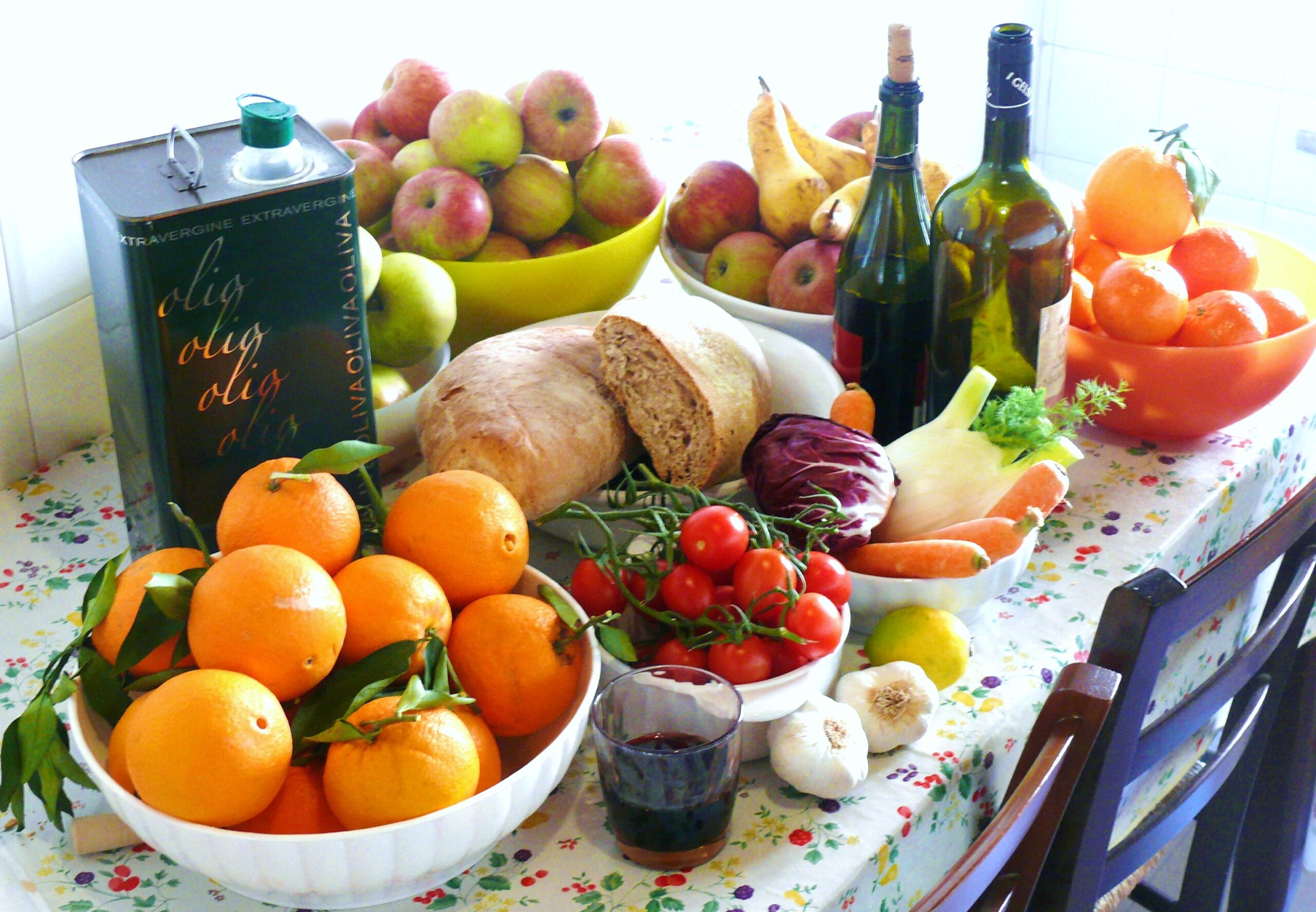
A good cookbook does more than give you recipes — it changes how you think about food. The best Mediterranean diet cookbooks manage to translate a living, breathing culinary culture into something a home cook in Michigan or Minnesota can actually pull off on a Tuesday night. The bad ones are just pretty photos of food you’ll never make.
I’ve spent time with a lot of these books, and I’ve pulled together the seven that genuinely earn a place on your shelf. Whether you’re brand new to the diet or you’ve been at it for years and want to push your cooking further, there’s something here for you.
Note: All books are available on Amazon. Prices fluctuate, so click through for current pricing. Links below are provided for convenience.
1. The Complete Mediterranean Cookbook — America’s Test Kitchen
Best for: Complete beginners who want the definitive starting point
Recipe count: 500+
Skill level: Beginner to intermediate
If you were only going to buy one Mediterranean cookbook, this would be the one. America’s Test Kitchen is known for their obsessive, methodical approach to recipe development — they test everything dozens of times until it’s foolproof. This book brings that same rigor to the Mediterranean diet.
What sets it apart is the structure. The book opens with a thorough explanation of the diet’s principles — what to eat, what to limit, why the science supports it — before moving into the recipes. There are chapters organized by ingredient type and meal type, so it’s easy to navigate. You’ll find everything here: soups, salads, grain bowls, fish dishes, lamb, chicken, vegetable sides, and desserts.
Pros:
- Exhaustive recipe variety — growing collection of recipes is genuinely comprehensive
- Every recipe has been rigorously tested, so you can trust the results
- Clear introductory section on the diet’s principles and benefits
- Beautiful, functional layout with photos for most recipes
Cons:
- It’s a big, heavy book — not great for a small kitchen
- Some recipes require specialty ingredients that may take planning to source
→ Check current price on Amazon
2. The Mediterranean Diet for Beginners — Elena Paravantes-Hargitt, RD
Best for: People who want expert guidance without the overwhelm
Recipe count: 60+
Skill level: True beginners
Elena Paravantes-Hargitt is a registered dietitian nutritionist who actually grew up in Greece. That combination — clinical expertise plus lived cultural knowledge — makes this book unusually trustworthy. She doesn’t just adapt Mediterranean food for American kitchens; she explains the actual diet as it’s practiced by real people in the Mediterranean region.
The book is shorter than some on this list, but that’s a feature, not a bug. It’s approachable. There are no intimidating techniques or hard-to-find ingredients. The recipes are genuinely simple and the explanations are clear. If you’ve been wanting to start the diet but keep getting overwhelmed, this is your entry point.
Pros:
- Written by someone who actually lives the culture, not just a food writer
- Concise, non-intimidating, and highly readable
- Strong focus on practical everyday cooking
- Excellent shopping lists and pantry guides
Cons:
- Fewer recipes than some other books on this list
- Less visual — not a coffee table book
→ Check current price on Amazon
3. Zaitoun: Recipes from the Palestinian Kitchen — Yasmin Khan
Best for: Readers who want to explore the deeper cultural roots of Mediterranean cuisine
Recipe count: 80+
Skill level: Intermediate
Zaitoun (Arabic for “olive”) is part cookbook, part travelogue, part cultural document. Yasmin Khan traveled through Palestine collecting recipes, stories, and history. The result is one of the most beautifully written food books in recent memory — and the food itself is extraordinary.
Palestinian cuisine sits squarely within the Mediterranean tradition: olive oil-forward, heavy on legumes and vegetables, built around herbs and warming spices. You’ll find dishes like musakhan (sumac and onion roasted chicken over flatbread), maqluba (an upside-down rice dish with roasted vegetables), and knafeh (a sweet cheese pastry soaked in syrup). These are foods that tell a story.
Pros:
- Extraordinary narrative writing — reads like a book, not just a recipe collection
- Authentic cultural context that most Mediterranean cookbooks skip entirely
- Stunning photography throughout
- Introduces flavors and techniques you won’t find in standard Mediterranean diet books
Cons:
- Some ingredients (pomegranate molasses, sumac, mahlab) require a specialty store or Amazon order
- Less focused on diet/health and more on cuisine and culture
→ Check current price on Amazon
4. My Greek Table — Diane Kochilas
Best for: Greek food enthusiasts and people who want authentic regional recipes
Recipe count: 150+
Skill level: Beginner to intermediate
Diane Kochilas is one of the foremost authorities on Greek cuisine — she’s written dozens of books, hosts a PBS cooking show, and runs a cooking school on the Greek island of Ikaria (one of the world’s original Blue Zones). She knows this food from the inside out.
My Greek Table is the companion book to her PBS series and covers the full breadth of Greek regional cooking: from the smoky eggplant dishes of Macedonia to the seafood-forward cooking of the Cyclades islands. Greek cuisine IS Mediterranean diet eating at its purest, and Kochilas makes it accessible and exciting for home cooks.
Pros:
- Genuinely authentic recipes from someone with deep regional knowledge
- Blue Zone connection — many recipes reflect the eating habits of the world’s longest-lived people
- Broad variety of dishes across vegetables, meats, seafood, and desserts
- Strong storytelling alongside the recipes
Cons:
- Certain traditional recipes are time-intensive
- Focus is purely on Greek cuisine (not the broader Mediterranean basin)
→ Check current price on Amazon
5. Jerusalem — Yotam Ottolenghi & Sami Tamimi
Best for: Experienced home cooks who want to be challenged and inspired
Recipe count: 120+
Skill level: Intermediate to advanced
There are cookbook authors and then there’s Yotam Ottolenghi. His books have fundamentally changed how many home cooks in the English-speaking world think about vegetables, herbs, and spices. Jerusalem, co-written with his Jerusalem-born business partner Sami Tamimi, is widely considered his masterpiece.
The food orbits Jerusalem — Israeli, Palestinian, Armenian, and pan-Middle Eastern cooking that draws on the same traditions as Mediterranean cuisine while pushing deeper into spice, texture, and layered flavor. Every dish feels intentional. The lamb meatballs with barberries and yogurt sauce, the slow-cooked white fish with harissa and preserved lemons, the roasted cauliflower with pomegranate — these are recipes that make you look forward to cooking.
Pros:
- Some of the most inventive, delicious recipes you’ll ever cook
- Beautifully written with genuine cultural depth
- Photographs are stunning — great coffee table book as well as working cookbook
- Expands your flavor vocabulary in ways most Mediterranean diet books don’t
Cons:
- Not a “diet” book — some recipes are rich and indulgent
- Ingredient lists can be long and some items are specialty
- More challenging than the other books on this list
→ Check current price on Amazon
6. The How Not to Diet Cookbook — Dr. Michael Greger
Best for: Health-focused readers who want the science baked into the recipes
Recipe count: 120+
Skill level: Beginner
Dr. Michael Greger is the physician and researcher behind NutritionFacts.org, and his approach is evidence-obsessed in the best way. This cookbook isn’t strictly a “Mediterranean diet” book — it leans more plant-based — but it overlaps significantly with Mediterranean principles and goes further on the health science than any other book on this list.
Every recipe in this book is built around Greger’s “Daily Dozen” — a checklist of the healthiest foods and their recommended daily servings. The result is a cookbook where you genuinely feel good about everything you’re eating, not just because it tastes good, but because you understand why it’s beneficial. The recipes themselves are approachable and genuinely tasty.
Pros:
- Strong scientific grounding — you understand the “why” behind every dish
- Excellent for people motivated by health outcomes over taste alone
- Entirely plant-based, so it’s also vegan/vegetarian-friendly
- Clear, simple recipes that are easy to follow
Cons:
- No meat or fish — some readers will find it limiting
- Can feel more clinical than celebratory
→ Check current price on Amazon
7. Plenty — Yotam Ottolenghi
Best for: Vegetarians, vegans, and anyone who wants to cook more vegetables
Recipe count: 120+
Skill level: Intermediate
Plenty is Ottolenghi’s all-vegetable cookbook — published before Jerusalem and in many ways equally iconic. Every recipe in this book is built around a vegetable, treated as the star rather than the side dish. The roasted butternut squash with sweet spices and crème fraîche. The charred corn and feta salad. The caramelized endive with Roquefort.
The Mediterranean diet emphasizes plant foods above all else, and Plenty shows you just how satisfying, creative, and luxurious vegetable-forward cooking can be. Once you cook from this book, you’ll stop thinking of salads and vegetable sides as health obligations and start treating them as the main event.
Pros:
- Revolutionary in how it treats vegetables — genuinely exciting food
- Perfect for the Mediterranean diet’s emphasis on plant-forward eating
- Beautiful photography and accessible writing
- Many recipes are quick enough for weeknight cooking
Cons:
- Purely vegetarian — not a complete Mediterranean diet resource
- Some recipes rely on specialty cheeses and produce
→ Check current price on Amazon
Quick Comparison
- Best overall: The Complete Mediterranean Cookbook (America’s Test Kitchen)
- Best for true beginners: The Mediterranean Diet for Beginners (Elena Paravantes-Hargitt)
- Best for cultural depth: Zaitoun (Yasmin Khan) or Jerusalem (Ottolenghi & Tamimi)
- Best for health science: The How Not to Diet Cookbook (Dr. Michael Greger)
- Best for vegetable cooking: Plenty (Yotam Ottolenghi)
- Best authentic Greek: My Greek Table (Diane Kochilas)
Do You Actually Need a Cookbook?
Honest answer: for some people, a great cookbook is transformative. For others, it sits on the shelf looking beautiful while you Google recipes on your phone. Know yourself.
That said, the Mediterranean diet is fundamentally about a relationship with real food — and a physical cookbook in the kitchen, splattered with olive oil and dog-eared at your favorite pages, tends to build a different kind of cooking habit than a web tab you never revisit. If you’re serious about making this a lifestyle change, a good book is worth the investment.
Start with either America’s Test Kitchen for maximum comprehensiveness or Elena Paravantes-Hargitt’s beginner guide for a friendlier on-ramp. Either choice will serve you well.
Tools & pantry for this recipe
A few things that make this easier. These are affiliate links, so we may earn a small commission at no extra cost to you; we only suggest what we’d actually use ourselves. See our editorial policy.